
Hedging care & growing guide
Leylandii Hedge Care Guide: Planting, Spacing & Pruning
Leylandii is a vigorous evergreen conifer that can make a dense privacy hedge quickly, but good establishment and regular pruning are essential if it is to remain healthy and manageable. Water newly planted hedges carefully, use the planting density recommended for the exact plant size and trim within green growth between spring and late summer. If you are choosing plants for a new screen, see our Leylandii hedging plants.
This guide covers Green and Golden Leylandii, including planting, spacing, watering, feeding, growth rate, pruning and the causes of brown patches. Leylandii responds well to regular light trimming but normally will not regenerate from bare old wood, so establishing the correct height and width from the beginning is much easier than trying to renovate an overgrown hedge later.
Expert nursery advice
Gwynne's Grower's Tip
With Leylandii, I would decide the finished height and width before you plant and start managing it while the hedge is young. Its speed is a real advantage when you need privacy, but don't wait several years before the first proper trim. Keep the sides lightly clipped while there is plenty of green foliage, water thoroughly during establishment and avoid letting grass compete around the base. Once Leylandii has become very wide, cutting it back into old brown wood will usually leave a permanent bare area.
From our nursery
Visit our Leylandii hedges

Green Leylandii Hedge
Green Leylandii is usually the straightforward choice when the priority is a dense evergreen screen and rapid establishment. Allow enough space for the hedge to develop and start trimming the sides while the plants are young rather than waiting for them to reach their final height. Regular light maintenance is much safer than allowing the hedge to become excessively wide and then trying to cut it back hard.

Golden Leylandii Hedge
Golden Leylandii is useful when you want the screening ability and dense evergreen habit of Leylandii but prefer brighter foliage to a plain green hedge. The golden colour can take on bronze tones in colder weather. Give it the same disciplined approach to pruning as Green Leylandii, keeping cuts within live foliage and controlling both height and width before the hedge becomes oversized.
Not sure which Leylandii hedge to choose?
Compare the available plants, formats and starting sizes in the complete range.
Explore our complete Leylandii hedging rangeLeylandii hedge quick-care summary
| Botanical name | × Cuprocyparis leylandii |
|---|---|
| Plant type | Vigorous conifer hybrid |
| Evergreen or deciduous | Evergreen |
| Typical growth rate | Fast, commonly 60cm+ yearly once established |
| Preferred position | Full sun or partial shade |
| Soil | Most well-drained soils |
| Watering | Regularly during establishment; deeply in dry spells |
| Pruning period | April to August |
| Feeding | Balanced spring feed where needed |
| Hardiness | H6 |
| Typical hedge height | Maintain at a manageable chosen height; potentially very tall unchecked |
| Planting season | Pot grown: year-round when conditions are suitable |
| Root types commonly available | Pot Grown |
About Leylandii hedging
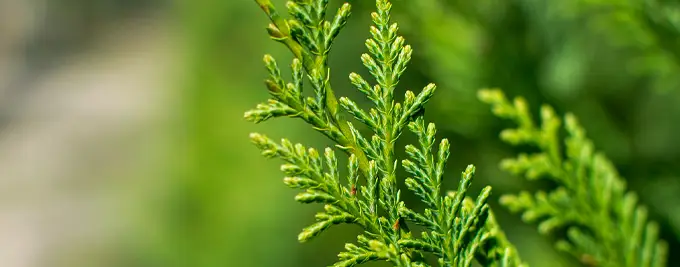
Leylandii, or Leyland cypress, is an evergreen conifer hybrid valued for its dense foliage and rapid growth. The currently accepted botanical name is × Cuprocyparis leylandii, although the older name × Cupressocyparis leylandii remains widely used in horticulture and appears on many plant labels.
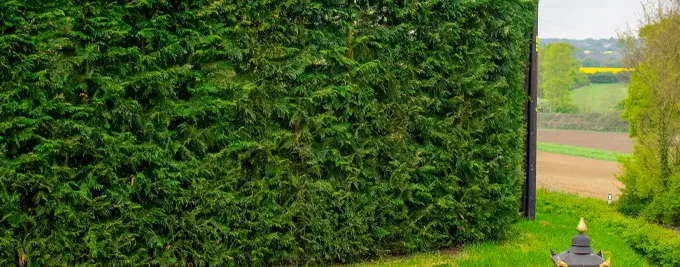
Its main advantage as a hedge is speed. Once established and growing well, Leylandii can create a substantial evergreen screen much faster than slower-growing conifers. That makes it particularly useful for privacy, screening buildings and forming substantial boundaries, but it also means that regular maintenance needs to be planned from the beginning.
Green and Golden Leylandii
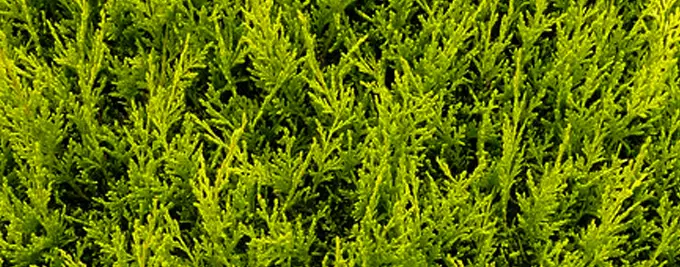
Our Green Leylandii Hedge provides the classic deep-green screen. Golden Leylandii Hedge offers brighter yellow-gold foliage that can take on bronze tones during colder weather.
Both are best treated as regularly managed hedging plants rather than trees that can be allowed to reach an excessive size and then cut back hard. Leylandii generally does not break successfully from old, leafless wood, so light regular trimming gives a much better result than severe width reduction later.
Choosing the right Leylandii hedge
Choose Leylandii when you have enough room for a substantial evergreen hedge and are prepared to maintain it regularly. Its vigour makes it particularly useful where the aim is to establish privacy sooner rather than waiting many years for a slower-growing species.
Leylandii is a strong choice for
- rapid evergreen privacy and screening
- tall boundaries where sufficient growing and maintenance space is available
- formal, closely clipped evergreen hedges
- informal screens that can be kept within a defined size
- exposed gardens where a dense evergreen screen is useful
- a wide range of well-drained soil types
Think carefully before choosing it for
- very narrow borders where you cannot maintain both width and height
- a boundary where access for future pruning will be difficult
- a position where the hedge could be allowed to grow unchecked close to neighbouring properties
- deep shade, particularly where competition from established trees is severe
- persistently waterlogged ground
| Choice | Best for | Foliage | Important point |
|---|---|---|---|
| Green Leylandii | Classic fast evergreen screening | Deep green | Plan regular trimming from an early stage |
| Golden Leylandii | A brighter evergreen screen | Yellow-gold, sometimes bronzing in winter | Keep within green foliage when trimming |
If your main decision is plant size rather than variety, compare the current options in our Leylandii hedging range. Larger plants give more immediate presence, while smaller plants are easier to handle and can establish strongly when planted and watered correctly.
When to plant Leylandii
Our current Green and Golden Leylandii ranges are pot grown, so they are not restricted to a short dormant planting season. They can be planted whenever ground and weather conditions are suitable.
Autumn and early spring
Cooler conditions generally make establishment easier because the soil is more likely to stay evenly moist and the plant loses less water through its foliage. This is particularly useful when planting a long hedge where watering every plant thoroughly can otherwise become demanding.
Summer planting
Summer planting is possible with pot-grown plants, but the root ball must not be allowed to dry out. Water the plants before planting, water again immediately afterwards and monitor the soil closely during warm, dry or windy weather.
When to postpone planting
- the ground is frozen solid
- the planting area is waterlogged
- the soil is extremely dry and cannot be watered adequately
- very hot weather is forecast and reliable irrigation is not available
- high winds would make handling or staking larger plants unsafe
Where to plant Leylandii
Leylandii is adaptable and can grow in clay, loam, chalky or sandy soil provided the root zone is not persistently waterlogged. Full sun or partial shade gives the most reliable conditions for dense growth.
Drainage matters more than having a perfect soil
On heavy clay, concentrate on relieving compaction and ensuring that planting holes do not become sumps that remain full of water. On light sandy soil, adding well-rotted organic matter can improve moisture retention and reduce the speed at which newly planted root balls dry out.
Allow room for future maintenance
Before planting against a fence, wall or neighbouring boundary, think about the width of the mature clipped hedge and how you will reach both its sides and top. Planting immediately against an obstacle can make maintenance much more difficult once the hedge is established.
Also consider nearby mature trees and large shrubs. Leylandii can grow vigorously, but young plants still compete for moisture with established roots. The first few seasons are particularly important where there is strong competition.
How to prepare the planting area
- Mark the hedge line. Use a string line so the planting centres remain straight and the finished hedge has enough clearance from walls, fences and boundaries.
- Remove weeds and turf. Clear competing vegetation around the planting line rather than leaving grass right up against each stem.
- Loosen the soil. Break up compacted ground across the planting area, particularly the sides and base of each hole or trench.
- Improve poor soil where necessary. Work organic matter through the surrounding soil rather than creating a soft compost-filled pocket that roots are reluctant to leave.
- Check drainage. Correct obvious drainage problems before planting rather than expecting the plants to tolerate permanently saturated soil.
- Water dry containers. The compost around the roots should be evenly moist before the plant is removed from its pot.
Trench or individual planting holes?
A trench can be useful where the entire hedge line needs improvement or the soil is heavily compacted. Individual holes are perfectly suitable in good cultivated soil. Whichever method you use, each hole should be wide enough to position the root system naturally and no deeper than required to keep the original soil level at approximately the surrounding ground level.
RootGrow and soil improvement
Where appropriate, Rootgrow Mycorrhizal Fungi is applied in contact with the roots at planting. On poor ground, our Hedge Planting Compost can be incorporated as a soil improver. Avoid putting a strong dose of fertiliser directly into the planting hole against new roots.
How to plant Leylandii
- Set out the plants first. Measure the required spacing for the exact plant size before digging.
- Water the pots. Make sure each root ball is evenly moist before planting.
- Dig the hole. Make it wider than the root ball so the surrounding soil can be loosened, but do not dig unnecessarily deep.
- Remove the container. Slide the pot away carefully without pulling the plant by its stem.
- Inspect the roots. If roots are tightly circling the outside of the pot, gently loosen the outermost roots without breaking the root ball apart.
- Position at the correct depth. Keep the top of the original root ball approximately level with the surrounding finished soil. Avoid burying the stem.
- Backfill and firm. Return the loosened soil around the root ball in stages and firm it enough to remove large air pockets without compacting it heavily.
- Water thoroughly. Soak the whole root ball and surrounding soil immediately after planting.
- Mulch the root zone. Apply an organic mulch while keeping it clear of direct contact with the stem.
- Support larger plants where necessary. On exposed sites, temporary staking can prevent excessive root movement while new roots establish.
A layer of Hedge Bio Mulch can help conserve soil moisture and suppress competing weeds after planting.
Leylandii hedge spacing and plants per metre
Planting density changes with the size of the Leylandii supplied. Smaller plants can be positioned closer together, while larger plants already have a broader framework and need more room.
| Product | Plant size | Current HPD density | Approx. centres |
|---|---|---|---|
| Green Leylandii | 60-80cm | 3 plants per metre | 33cm |
| Green Leylandii | 80-100cm | 3 plants per metre | 33cm |
| Green Leylandii | 100-125cm | 3 plants per metre | 33cm |
| Green Leylandii | 125-150cm | 2.5 plants per metre | 40cm |
| Golden Leylandii | 150-175cm | 2 plants per metre | 50cm |
These figures are size-specific. Do not assume that one density applies to every Leylandii variation. If you choose a different size, use the plants-per-metre figure shown on that live product variation at the time of ordering.
Single or double row?
For normal garden privacy hedging, Leylandii is generally planted as a single row. Its natural width and vigorous branching allow the plants to join into a dense screen without routinely needing a staggered double row. Good preparation, watering and formative trimming are more important than simply increasing the number of plants.
Watering and establishment
Water every Leylandii thoroughly immediately after planting so that the original root ball and the surrounding soil are both wet. During the first growing season, check the soil regularly rather than following a fixed calendar.
How to judge when watering is needed
Feel the soil below the surface near the root ball. If it is beginning to dry at root depth, water thoroughly. A superficial sprinkle encourages little useful moisture penetration, whereas a slower, deeper watering reaches the developing roots.
- Sandy soils can dry rapidly and may need checking more often.
- Heavy clay holds water for longer, so make sure it has begun to drain before watering again.
- Hot or windy conditions increase moisture loss from evergreen foliage.
- Large newly planted specimens have a larger canopy losing moisture before their new roots have extended into surrounding soil.
Drought or too much water?
Drought stress can lead to dull foliage, reduced new growth and progressive browning. Permanently saturated soil deprives roots of oxygen and can also produce weak growth, yellowing and dieback. Check the soil before assuming that a brown plant simply needs more water.
Winter watering
Established hedges usually need little supplementary winter water, but recently planted evergreens can still lose moisture through their foliage. During prolonged dry periods, check new plantings when the ground is frost free.
For long hedge runs, a correctly installed hedge irrigation system can make even watering considerably easier.
How and when to feed Leylandii hedging
Leylandii is naturally vigorous, so feeding should support healthy growth rather than force excessive soft growth. On reasonable garden soil, an annual heavy feeding programme is rarely necessary.
When feeding is useful
- growth is weak after establishment and soil fertility is known to be poor
- the hedge is growing in light soil with low nutrient retention
- competition from surrounding vegetation has been removed but growth remains weak
- older soil has not received organic matter for many years
A balanced general fertiliser applied in accordance with its label in late winter or spring is normally sufficient. Our Hedge Feed is a balanced granular 7-7-7 fertiliser suitable for this purpose.
Do not feed a stressed hedge blindly
Brown foliage, poor growth or yellowing can result from drought, waterlogging, damaged roots, pests or disease. Feeding will not correct these problems and excessive fertiliser can add further stress.
A surface mulch of composted organic material can improve soil structure, suppress weeds and help moisture management without pushing the hedge into excessively soft late growth. Avoid heavy high-nitrogen feeding late in the growing season.
How and when to prune Leylandii
Leylandii is easier to manage when pruning begins while the hedge is young. The aim is to encourage a dense framework and prevent the sides becoming wider than you can safely reduce later.
Young Leylandii hedges
Lightly trim the side growth during the growing season to encourage dense branching, but allow the leading shoots to continue upwards until the hedge is approaching the required height. Once the target height has been reached, begin managing the top as part of the normal clipping programme.
Established Leylandii
Trim the top and sides between April and the end of August. One trim may be sufficient for a less formal hedge, while vigorous or tightly clipped hedges can need two or three light cuts during the season.
- keep the base slightly wider than the top so light reaches lower foliage
- cut only into green, living foliage on the sides
- do not expose large areas of bare brown wood
- use sharp, clean equipment for a neater cut
- remove only the growth needed to maintain the planned outline
Can you cut an overgrown Leylandii back hard?
Height can be reduced more safely than width. A healthy overgrown Leylandii can often tolerate a significant reduction in height, but severe side cutting into leafless wood is likely to leave a permanent bare face. If substantial height reduction is necessary, early spring is preferable and very large work is best assessed by a competent tree professional.
Check for nesting birds
Before any hedge cutting, inspect the hedge carefully for active bird nests. Do not cut or disturb an occupied nest. There is no substitute for checking the hedge immediately before work begins.
Leylandii growth rate and eventual size
A healthy established Leylandii hedge can make substantial annual growth. Our current Green and Golden Leylandii products are classed at 60cm or more a year, while favourable plants can produce still stronger seasonal extension growth.
Growth rate is not guaranteed. It depends on plant size, establishment, moisture, soil conditions, competition, exposure, pruning and the length of the growing season.
Expect some establishment time
A newly planted Leylandii may put more energy into developing roots than producing spectacular top growth during its first season. This is normal. Good watering and a weed-free root zone are more useful than trying to force immediate growth with excessive fertiliser.
How large can Leylandii become?
When grown as an unmanaged tree, Leylandii is capable of becoming extremely large. That natural size is one reason regular hedge management matters. As a hedge, there is no horticultural need to allow it to reach anything close to its natural height: establish the height you actually need and maintain it there.
The safest long-term approach is to keep the hedge within a height and width that can be reached and clipped regularly without needing to cut the sides back into bare wood.
Leylandii height, neighbours and high-hedge rules
The often-repeated claim that Leylandii is legally limited to 2 metres is misleading. A hedge being more than 2 metres high can bring it within high-hedge legislation, but that does not automatically mean the hedge is unlawful or must be reduced to 2 metres.
England and Wales
High-hedge provisions can apply to a line of two or more evergreen or semi-evergreen trees or shrubs that forms a barrier to light or access and is more than 2 metres high. The local authority considers whether the hedge is adversely affecting the reasonable enjoyment of a domestic property. The process is intended for cases where neighbours have first tried to resolve the problem themselves.
Scotland
Scotland has its own High Hedges legislation. Its definition also includes a hedge formed wholly or mainly by a row of two or more trees or shrubs, rising above 2 metres and forming a barrier to light. Scottish Government guidance specifically confirms that growing Leylandii or owning a hedge over 2 metres is not itself illegal.
Manage the issue before it becomes a dispute
Agreeing and maintaining a sensible finished height is much easier than dealing with an oversized Leylandii later. It also reduces the horticultural risk of trying to make a major reduction after the hedge has become too broad or tall.
If a hedge is already involved in a boundary or neighbour dispute, check the current guidance for your nation and local authority rather than relying on a general gardening article as legal advice.
Seasonal Leylandii hedge care calendar
| Season | Main jobs |
|---|---|
| Late winter | Check drainage, wind damage and mulch. Apply a balanced feed if the hedge genuinely needs it. |
| Spring | Plant where conditions are suitable, begin checking new growth and water recent plantings during dry spells. Pruning can begin from April. |
| Early summer | Monitor soil moisture closely, control weeds around young hedges and make a light trim where needed. |
| Late summer | Complete final routine trimming by the end of August and continue watering young hedges during dry weather. |
| Autumn | A good period for planting pot-grown Leylandii. Mulch newly planted hedges and avoid forcing soft late growth with excessive nitrogen. |
| Winter | Check young plants after storms, maintain supports if needed and inspect soil moisture during unusually dry frost-free periods. |
Whenever trimming is planned, inspect the hedge for active bird nests before work starts.
Leylandii pests, diseases and common problems
Why is my Leylandii turning brown?
First check the basics: soil moisture, recent weather, planting date and pruning history. A recently planted hedge that browns during hot weather is more likely to be suffering establishment or moisture stress than an established hedge that develops scattered dead patches despite otherwise good growing conditions.
| Symptom | Possible cause | What to check | What to do |
|---|---|---|---|
| Newly planted foliage browning | Drought or establishment stress | Is the original root ball dry below the surface? | Water deeply and consistently; keep surrounding weeds under control. |
| Yellowing with persistently wet soil | Waterlogging/root stress | Does the planting area remain saturated after rain? | Improve drainage and stop unnecessary watering. |
| Sharp brown area immediately after trimming | Cut into old leafless wood | Is there green growth behind the cut? | Do not cut further back. Adjacent green shoots may eventually disguise the area, but bare old wood itself is unlikely to regrow. |
| Scattered brown patches developing in spring or summer | Cypress aphid | Look closely for aphids, shed skins, sticky deposits or sooty mould around affected shoots. | Confirm the cause before taking action and support the plant with good growing conditions. |
| Individual shoots or branches dying | Canker or another shoot disease | Look for distinct lesions or repeated shoot death beyond normal stress damage. | Remove badly affected material where appropriate and seek specialist diagnosis if dieback continues. |
| Whole plants declining or dying | Severe root problem such as honey fungus or root rot | Inspect roots, stem base, drainage and neighbouring woody plants. | Obtain a reliable diagnosis before replanting or treating the site. |
| Poor growth without obvious dieback | Dry roots, competition, poor establishment or poor soil | Check moisture, weeds, planting depth and root conditions. | Correct the underlying cultural problem before applying additional fertiliser. |
Cypress aphid
Cypress aphids can cause extensive patches of dead foliage on Leylandii. Damage may become obvious after the insects themselves are difficult to find, so look closely around affected stems for aphids, cast skins, sticky honeydew or black sooty deposits. Avoid assuming that every brown patch is aphid damage.
Fungal and root diseases
Leylandii can occasionally be affected by shoot and canker diseases, while honey fungus and Phytophthora root problems can cause more extensive decline. Persistent branch death, cankers, whole plants collapsing or repeated losses in the same area justify closer investigation rather than repeated feeding or watering.
Will a brown Leylandii recover?
Recovery depends on the cause and whether living green shoots remain. Drought-stressed or lightly damaged plants may recover once the cause is corrected. Bare brown side wood created by severe pruning is different: Leylandii normally will not generate a new green surface directly from old leafless wood. Where possible, healthy neighbouring shoots can sometimes be trained across a small bare patch over time.
Sparse growth at the base
A hedge that is wider at the top can increasingly shade its own lower foliage. Keeping the base slightly wider than the top, watering young plants properly and avoiding severe side cuts helps maintain a dense lower hedge.
Wildlife and environmental value
The dense evergreen foliage of an established Leylandii hedge gives birds and other small garden wildlife useful shelter from wind and poor weather. Mature hedges can also provide concealed nesting sites.
Its wildlife value is different from a native mixed hedge containing species that produce abundant blossom, nectar and berries. If maximum biodiversity is the primary objective, a diverse native hedge may provide a broader range of resources. Leylandii's strongest contribution is dense, persistent cover and shelter.
Always check before cutting
Birds can nest in evergreen hedges as well as deciduous ones. Inspect the entire area to be cut before pruning and postpone work if an active nest would be damaged or disturbed.
Leylandii care by root type
Pot-grown Leylandii
- Water the container thoroughly if the compost is dry before planting.
- Remove the pot carefully and keep the root ball intact.
- Gently loosen only tightly circling outer roots where necessary.
- Plant with the top of the root ball approximately level with the surrounding soil.
- Water both the root ball and surrounding ground thoroughly after planting.
- Pay particular attention during the first growing season because container compost can dry differently from the surrounding soil.
- Keep grass and weeds away from the immediate root zone while the hedge establishes.
Frequently asked questions about Leylandii hedging
How fast does a Leylandii hedge grow?
Leylandii is a very fast-growing evergreen hedge. Our current Green and Golden Leylandii products are classed as capable of around 60cm or more annual growth once conditions and establishment are good. Actual growth varies with soil, moisture, plant age, exposure and pruning, so the figure should be treated as an indication rather than a guarantee.
How far apart should Leylandii be planted?
Leylandii spacing depends on the size supplied. Current Green Leylandii variations range from 3 plants per metre at smaller sizes to 2.5 plants per metre at 125-150cm, while the current 150-175cm Golden Leylandii variation uses 2 plants per metre. Always follow the density shown for the exact live product variation.
When is the best time to plant Leylandii?
Pot-grown Leylandii can be planted throughout the year when the ground is workable and sufficient watering is available. Autumn and spring are generally easier because temperatures are cooler and soil moisture is easier to maintain. Avoid frozen or waterlogged ground and take particular care with watering if planting during hot, dry weather.
When should Leylandii be trimmed?
Trim Leylandii between April and the end of August. A less formal hedge may need only one trim, while a vigorous formal hedge can need two or three lighter cuts. Keep the side cuts within green foliage and inspect the hedge for active bird nests before starting work.
Can you cut Leylandii back hard?
You can reduce the height of a healthy Leylandii more successfully than its width, but avoid cutting the sides back into bare brown wood. Old leafless Leylandii wood normally does not produce a new green surface. If a major reduction is required, particularly on a very tall hedge, professional assessment is sensible.
Will brown Leylandii grow back?
Brown Leylandii may recover if living green growth remains and the cause was temporary stress such as drought. Bare old wood exposed by severe pruning is different and normally will not regenerate. Small bare areas may eventually be disguised by neighbouring healthy shoots, but large areas of old brown wood can remain permanently visible.
Why is my Leylandii hedge turning brown?
Leylandii browning can be caused by drought, waterlogging, pruning into old wood, establishment stress, cypress aphid or less commonly disease. Check the soil moisture, recent pruning and pattern of damage before deciding on treatment. Whole plants dying or persistent branch cankers deserve a more detailed diagnosis.
Does Leylandii grow in shade?
Leylandii grows best in full sun or partial shade. It is adaptable, but deep shade combined with competition from established trees can reduce density and vigour. For the strongest, most even hedge, choose a position with reasonable light and enough soil moisture for the root system.
How often should a new Leylandii hedge be watered?
There is no safe fixed watering interval because weather and soil vary. Check the soil around the original root ball regularly during the first growing season and water deeply whenever it begins to dry at root depth. Sandy soils, larger plants and hot or windy conditions generally require more frequent attention.
What is the best feed for Leylandii?
A balanced general fertiliser applied in late winter or spring is suitable where Leylandii genuinely needs additional nutrition. Avoid heavy feeding simply to force faster growth and do not assume that yellow or brown foliage means nutrient deficiency. First check moisture, drainage, roots and pests.
How tall can Leylandii grow?
Leylandii can become a very large tree if it is never trimmed, potentially exceeding 30 metres. A hedge does not need to approach that size. Choose a manageable finished height when the plants are young and maintain it regularly so that future pruning remains within living green foliage.
Is 2 metres the legal height limit for Leylandii?
No. Two metres is not a simple legal maximum for every Leylandii hedge. It is an important threshold within high-hedge complaint legislation, but a hedge exceeding 2 metres is not automatically unlawful. The rules and procedures differ across the UK, so check the current guidance for your nation and local authority if a dispute arises.
What is the difference between Green and Golden Leylandii?
The main practical difference is foliage colour. Green Leylandii produces the familiar deep-green evergreen screen, while Golden Leylandii has brighter yellow-gold foliage that can bronze during colder weather. Both are vigorous evergreen hedging plants and both should be kept within green growth when trimming.
Will Leylandii grow in clay soil?
Yes, Leylandii can grow in clay soil provided drainage is adequate. Improve heavily compacted ground before planting and avoid creating planting holes that remain full of water. Heavy clay retains moisture well once established, so check the soil before adding more water rather than watering on a fixed schedule.
How do I keep a Leylandii hedge dense at the bottom?
Start side trimming while the hedge is young and keep the base slightly wider than the top so lower foliage receives light. Maintain good soil moisture during establishment and keep grass away from the root zone. Avoid allowing the hedge to become excessively wide and then cutting the sides back into bare wood.