
Can I Mix Different Hedge Plants Together?
Combining several hedge species can create a varied boundary with seasonal colour, texture and wildlife value. Successful mixed hedging depends on choosing plants that suit the same growing conditions and can be maintained together.
Quick Answer
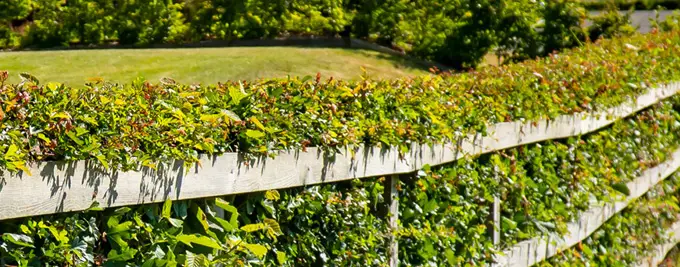
Yes. Different hedge plants can be grown together, provided they suit the same soil, light and exposure and can be maintained at a compatible height and width. The simplest option is a prepared mixed native hedge, where the species and proportions have already been selected for a shared purpose. Avoid combining plants with very different growth rates, water needs or pruning requirements unless you are prepared to manage them separately.
Quick Facts
| Can different hedge species be mixed? | Yes, provided their growing and maintenance requirements are compatible |
|---|---|
| Best suited to | Informal boundaries, wildlife hedges and planting with varied seasonal interest |
| Check before planting | Soil, drainage, light, exposure, mature size and pruning requirements |
| Easiest option | A prepared mixed hedging pack designed for a particular purpose |
| Plant arrangement | Randomly interspersed or arranged in a repeating pattern |
| Plant spacing | Follow the instructions for the selected species or prepared hedge mix |
| Evergreen and deciduous plants | They can be combined, but may require different pruning and aftercare |
What makes different hedge plants compatible?
Hedge plants do not need to be the same species to grow successfully together. However, every plant in the hedge should be reasonably well suited to the soil, drainage, sunlight and exposure of the planting site.
Before choosing the plants, decide what the finished hedge needs to do. A boundary planted for wildlife may contain a wide range of deciduous shrubs, while a formal privacy hedge normally benefits from a more uniform appearance and maintenance routine.
The main points to compare are:
- Preferred soil and drainage
- Tolerance of sun, shade, wind and coastal exposure
- Expected height and width
- Rate of growth
- Water requirements
- Pruning season and frequency
- Whether the plant is evergreen or deciduous
- Suitability near paths, children, pets or livestock
The RHS recommends choosing hedge plants that tolerate the conditions of the site and considering the height, appearance and annual maintenance required. It also advises that mixed hedges are generally easier to maintain when the plants are all deciduous or all evergreen, because their pruning requirements are more likely to be similar.
Which hedge plants work well together?
Mixed native hedge plants
Native hedging species are among the easiest plants to combine because many naturally grow alongside one another in traditional British hedgerows.
A mixed native hedge may include Hawthorn, Blackthorn, Field Maple, Hazel, Dog Rose, Guelder Rose, Dogwood and Holly. One robust species, often Hawthorn, can form the main framework of the hedge, with smaller quantities of other plants adding flowers, fruit, autumn colour and different growth habits.
All the selected plants must still suit the location. A species should not be added simply to increase the number of varieties in the mix.
Our Native Mixed Hedge Plants range includes prepared mixtures for gardens, field boundaries, wildlife planting, paddocks, paths and landscaping projects. The complete Native Mixed Hedging Care Guide explains the differences between the available mixtures and provides detailed planting and aftercare guidance.
Mixed colours of the same species
Combining different varieties of the same hedge species is usually simpler than mixing unrelated plants.
For example, Green Beech and Purple Beech have similar soil, spacing, growth and pruning requirements. They can therefore be mixed to create changing foliage colour without making the hedge much more difficult to maintain.
This type of combination suits customers who want visual variety but still prefer the relatively even shape of a single-species hedge.
Evergreen and deciduous plants
Evergreen and deciduous species can be planted together, but the result will normally be more informal.
A small proportion of Holly can add winter foliage to a mainly deciduous native hedge. However, the evergreen plants may grow at a different rate and respond differently to pruning. They should be positioned carefully and trimmed according to their own growth rather than cutting every plant in exactly the same way.
A mixed hedge containing only deciduous species is generally easier to establish and prune evenly. A mainly evergreen mixture can also work when the selected plants have compatible growth habits, but it requires more careful planning.
How should I arrange the plants?
For a natural mixed hedge, spread the different species along the full planting line rather than planting one long block of each variety. This prevents the hedge from looking divided into separate sections and distributes flowers, berries and foliage more evenly.
A practical method is to lay all the plants beside the prepared trench before planting. Position the main framework species first, then place the smaller quantities of companion plants between them.
For a more decorative garden hedge, the plants can be arranged in a repeating sequence. This produces a more deliberate pattern, although differences in growth rate may become more visible as the hedge matures.
Many of our individual mixed native hedging packs are planted at five plants per metre in two staggered rows. For these products, the rows are approximately 30cm apart, with the plants spaced approximately 40cm apart within each row. Other products, plant sizes and project specifications may require a different density, so always follow the instructions for the chosen mix.
For agricultural or grant-funded planting, follow the exact specification for the project. Current government BN11 guidance recommends intermixing secondary native shrubs with the main hedge species rather than planting them in separate blocks.
Which combinations should be avoided?
Avoid combining plants simply because they look attractive together. They may have conflicting growing requirements once planted in the same hedge line.
Potentially unsuitable combinations include:
- A moisture-loving plant beside one that needs dry, freely draining soil
- A shade-tolerant plant mixed with a species that needs full sun to remain dense
- A very vigorous plant beside a slow-growing or compact variety
- A tall screening plant mixed into a hedge intended to remain low
- Plants requiring different pruning seasons where one uniform trimming schedule is planned
- Thorny species immediately beside gates, narrow paths or play areas
- Plants that are unsuitable around livestock or other animals using the boundary
Fast-growing plants can overshadow slower species and compete for light, moisture and space. This does not always mean they cannot be used together, but they may need individual pruning to prevent one variety from dominating the hedge.
How do I establish a mixed hedge evenly?
Prepare the whole planting line rather than improving only the individual planting holes. Remove grass and perennial weeds, relieve compaction and improve the soil where its structure or drainage genuinely needs attention.
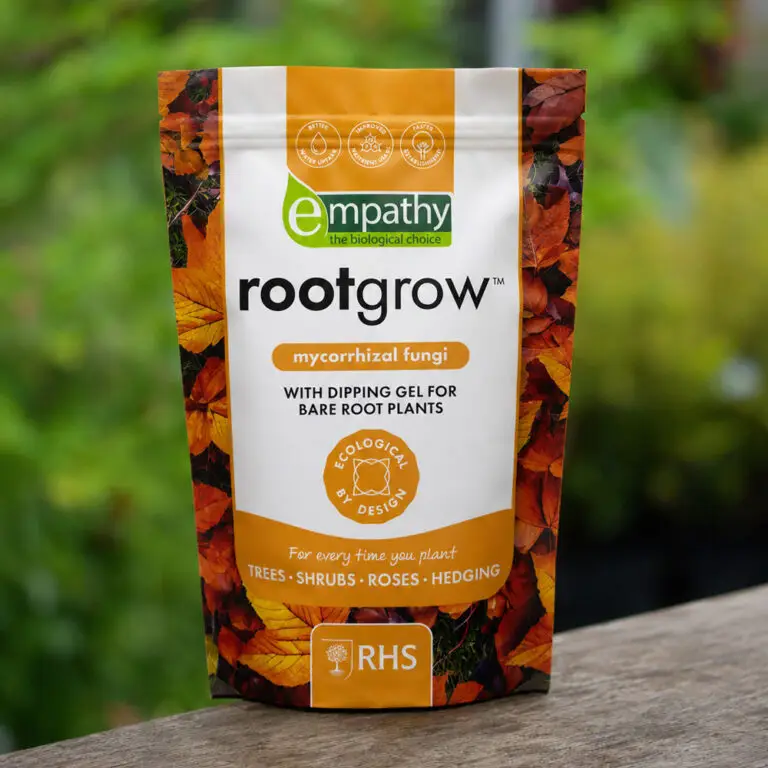
Plant each specimen at the correct depth and spread bare roots naturally through the soil. Rootgrow Mycorrhizal Fungi can be applied at planting, but it needs direct contact with the roots. It does not replace correct soil preparation, planting depth or watering.
Water the complete hedge thoroughly after planting. Continue checking the soil during dry weather, paying particular attention to larger plants, evergreens and sections exposed to sun or wind.
A layer of suitable mulch can help retain moisture and reduce competition from weeds. Leave a small clear area around the stems rather than piling mulch directly against the plants.
Young plants will not always grow at the same speed. Formative pruning should therefore respond to each species rather than forcing every plant to the same height immediately. Replace any failed plants while the hedge is still young, before neighbouring plants spread into the gap.
Is a prepared mixed hedging pack easier?
A prepared pack is usually the simplest choice for customers who want a mixed hedge but are unsure which plants to combine.
The species, proportions and planting density have already been selected for a particular purpose. Options include traditional field hedging, garden wildlife planting, thornless boundaries, paddock hedging and instant mixed hedging.
Prepared mixtures also make it easier to calculate quantities for a long hedge. Check the product description carefully because the composition, root type, plant size and number of plants per metre can vary between mixtures.
Customers planning a specialist, landscaping or commercial project can also contact the nursery with the site conditions and required hedge length before selecting a mixture.
Gwynne's Grower's Tip
Lay all the plants beside the trench before you start planting. Position the main framework species evenly along the hedge, then distribute the smaller quantities of companion plants between them. This avoids accidentally creating a large block of one variety at the end of the run. Keep thorny plants away from gates and frequently used paths, and mark any slower-growing or evergreen plants so they are not pruned as hard as the more vigorous species during the first few years.
More Mixed Hedging Advice
For more detailed growing advice or to view the plants available from our nursery, use the links below.
Related Products
Products from our nursery that are relevant to this advice.


Useful Planting Essentials
Selected products that may help with planting, establishment and ongoing hedge care.
Rootgrow Mycorrhizal Fungi
Rootgrow can be applied at planting so the product is in direct contact with the roots, where appropriate for the plant and planting method.
View product
Hedge Feed
Hedge Feed provides balanced nutrition where established hedging would benefit from feeding as part of normal care.
View product
Hedge Irrigation
A hedge irrigation system can make it easier to water a new hedge consistently, particularly on longer runs and during dry weather.
View product
Hedge Compost & Mulch
Compost and mulch can support soil preparation, moisture retention and weed suppression when used appropriately around new hedging.
View product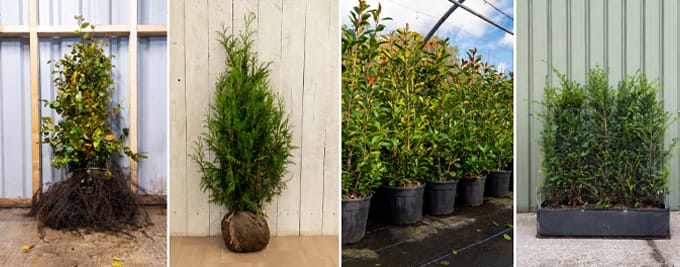
What Are the Different Hedging Root Types?
Bare root, root ball, pot-grown and instant hedging suit different budgets, planting times and levels of initial coverage. Understanding how each is…
Read answer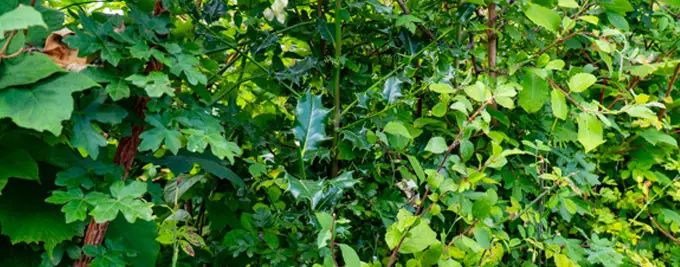
Is Holly Good as Part of a Mixed Native Hedge?
Most mixed native hedges are dominated by deciduous species such as Hawthorn, Blackthorn, Field Maple and Hazel. Adding English Holly introduces a…
Read answer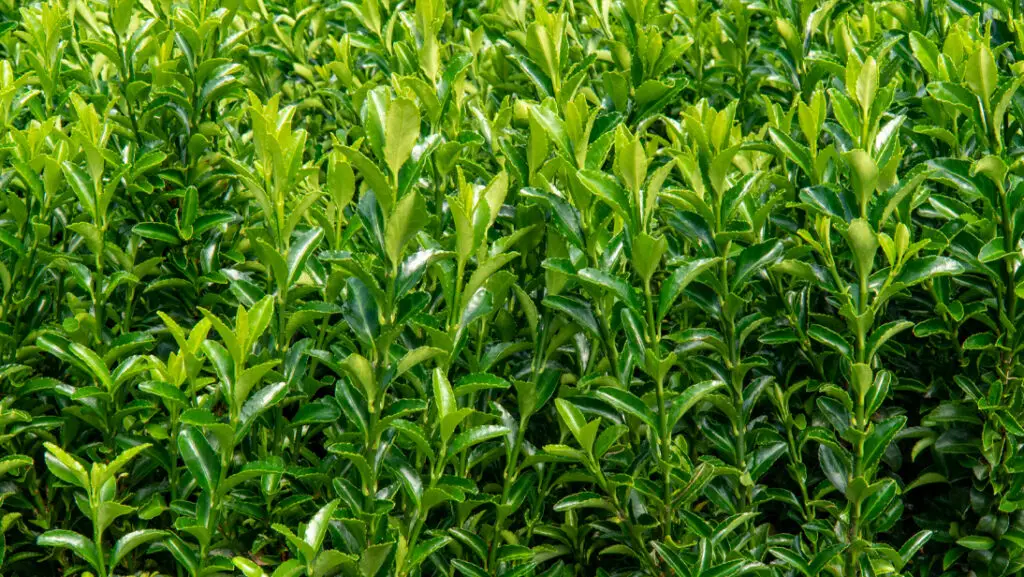
Euonymus Green Spire vs Jean Hugues: Which Hedge to Buy?
Green Spire and Jean Hugues are both dark green Euonymus japonicus varieties and both make excellent Box alternatives. The real difference is…
Read answer
Are Euonymus Green Spire and Green Rocket the Same Plant?
The names Green Spire and Green Rocket are often used interchangeably by nurseries, which makes buying confusing. Current authoritative plant databases do…
Read answer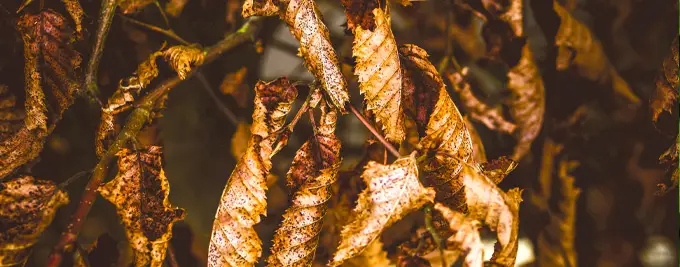
Is Hornbeam Evergreen? What Does It Look Like in Winter?
Hornbeam is valued for its fresh green summer foliage, warm autumn colour and strong winter structure. Understanding how its leaves behave after…
Read answer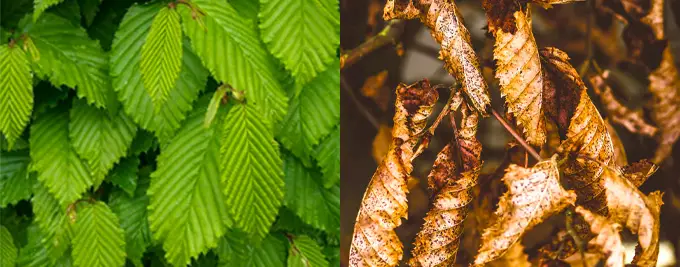
What Do Hornbeam Leaves Look Like?
Hornbeam has distinctive textured foliage that changes noticeably through the seasons. Learning to recognise the leaf shape, veins and toothed edges can…
Read answer