
Hawthorn vs Blackthorn: What’s the Difference for Hedging?
Hawthorn and Blackthorn are both thorny native deciduous hedging plants, but they are not interchangeable. Their flowering sequence, fruit, growth habit and tendency to spread can make one more suitable than the other for a particular garden or native hedge.
Quick Answer
Hawthorn and Blackthorn are both thorny native deciduous hedges, but Hawthorn produces red haws and usually flowers after its leaves emerge, while Blackthorn flowers earlier on bare stems and later produces blue-black sloes. Blackthorn also suckers more readily. Hawthorn is often the easier main framework for a defined garden hedge, while Blackthorn is especially useful in broader native, wildlife and defensive planting.
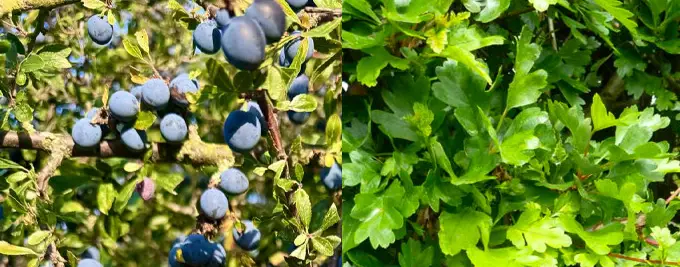
Hawthorn and Blackthorn are different native hedge plants
Hawthorn is Crataegus monogyna, while Blackthorn is Prunus spinosa. Both are traditional thorny deciduous species that work well in native hedges, but they are easy to tell apart once you know which features to look for.
| Feature | Hawthorn | Blackthorn |
|---|---|---|
| Botanical name | Crataegus monogyna | Prunus spinosa |
| Spring flowers | White flowers usually appear after the leaves have started to open | White flowers commonly appear on bare branches before the leaves |
| Autumn fruit | Red haws | Blue-black sloes with a pale bloom |
| Growth habit | Dense branching that responds well to hedge management | Dense thorny growth with a stronger tendency to sucker into adjoining ground |
| Winter | Deciduous, leaving a thorny woody framework | Deciduous, leaving a dense spiny framework |
Which flowers first, Hawthorn or Blackthorn?
Blackthorn is usually the earlier flowering plant. Its white blossom is often produced on bare stems before the leaves open. Hawthorn normally flowers later, after the young leaves have emerged. This is one of the easiest ways to separate the two species in spring.
Which is easier to manage as a garden hedge?
For many domestic boundaries, Hawthorn is the easier all-round framework plant because it makes a dense hedge without the same strong suckering habit as Blackthorn. Blackthorn can be extremely useful where a broader, defensive or more natural thicket is wanted, but its suckers may need controlling beside lawns, paths and planted borders.
You can compare our Hawthorn hedging and Blackthorn hedging ranges if you are deciding between the two.
Which is better for wildlife?
Both species have strong wildlife value. Hawthorn provides spring flowers, red haws and dense thorny cover. Blackthorn produces very early blossom, later sloes and similarly protective spiny growth. Rather than choosing only one, many traditional mixed native hedges use both so the flowering and fruiting season is more varied.
Can Hawthorn and Blackthorn be planted together?
Yes. They are commonly compatible in a mixed native hedge. Hawthorn can form much of the main framework while Blackthorn adds early blossom, sloes and extra defensive growth. Allow enough width for the finished hedge and be prepared to control Blackthorn suckers where they are not wanted.
For a broader species mixture, see our Native Mixed Hedge Plants range.
Gwynne's Grower's Tip
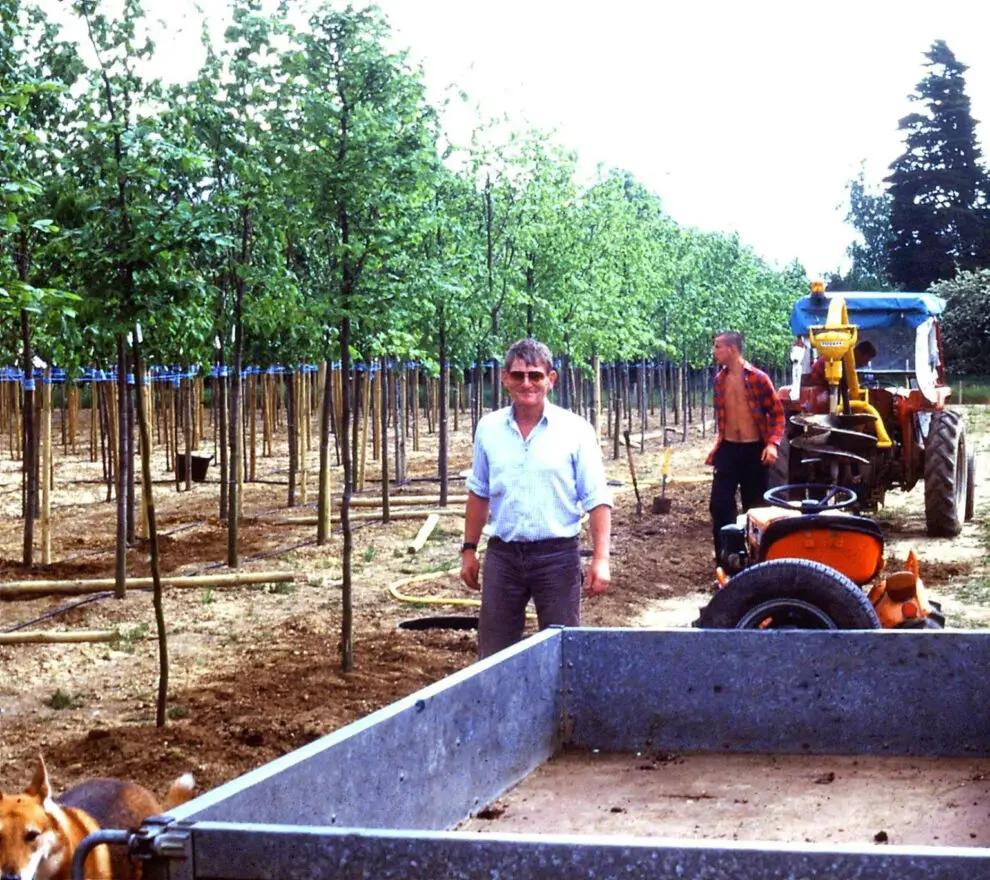
If I were planting a tidy native garden boundary, I would usually let Hawthorn do most of the structural work and use Blackthorn as part of the mix rather than allowing it to dominate. Blackthorn's suckering habit is useful when you want a dense rural thicket, but it can become extra maintenance beside lawns and borders. Whichever you choose, give a thorny hedge enough width so it can be clipped without forcing stiff branches into paths or gateways.
More Hawthorn Advice
For more detailed growing advice or to view the plants available from our nursery, use the links below.
Related Products
Products from our nursery that are relevant to this advice.


Useful Planting Essentials
Selected products that may help with planting, establishment and ongoing hedge care.

Rootgrow Mycorrhizal Fungi
Rootgrow can be applied at planting so the product is in direct contact with the roots, where appropriate for the plant and planting method.
View product
Hedge Feed
Hedge Feed provides balanced nutrition where established hedging would benefit from feeding as part of normal care.
View product
Hedge Irrigation
A hedge irrigation system can make it easier to water a new hedge consistently, particularly on longer runs and during dry weather.
View product
Hedge Compost & Mulch
Compost and mulch can support soil preparation, moisture retention and weed suppression when used appropriately around new hedging.
View product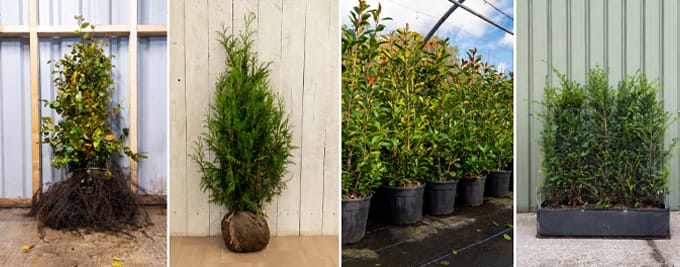
What Are the Different Hedging Root Types?
Bare root, root ball, pot-grown and instant hedging suit different budgets, planting times and levels of initial coverage. Understanding how each is…
Read answer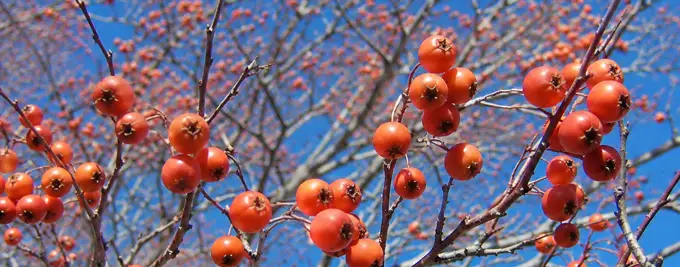
Can You Eat Hawthorn Berries?
The red fruits on Common Hawthorn are known as haws and have a long history of use in hedgerow recipes. The important…
Read answer
Can Hawthorn Be Grown in a Pot?
Common Hawthorn can be kept in a container, but it is naturally a vigorous shrub or small tree rather than a compact…
Read answerAre Hawthorn Berries Poisonous to Dogs?
Dogs sometimes pick up fallen haws while walking beside hedges or exploring the garden. The fruit is not usually treated as a…
Read answer
Euonymus Green Spire vs Jean Hugues: Which Hedge to Buy?
Green Spire and Jean Hugues are both dark green Euonymus japonicus varieties and both make excellent Box alternatives. The real difference is…
Read answer
Are Euonymus Green Spire and Green Rocket the Same Plant?
The names Green Spire and Green Rocket are often used interchangeably by nurseries, which makes buying confusing. Current authoritative plant databases do…
Read answer
Is Hornbeam Evergreen? What Does It Look Like in Winter?
Hornbeam is valued for its fresh green summer foliage, warm autumn colour and strong winter structure. Understanding how its leaves behave after…
Read answer
What Do Hornbeam Leaves Look Like?
Hornbeam has distinctive textured foliage that changes noticeably through the seasons. Learning to recognise the leaf shape, veins and toothed edges can…
Read answer