
Can You Eat Hawthorn Berries?
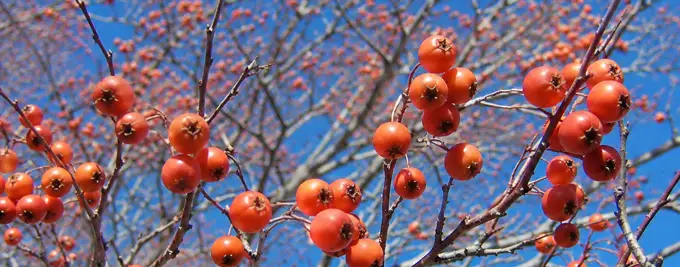
The red fruits on Common Hawthorn are known as haws and have a long history of use in hedgerow recipes. The important distinction is between the edible flesh and the hard seeds, which should be removed.
Quick Answer
Yes. The ripe flesh of Common Hawthorn (Crataegus monogyna) haws is edible when the plant has been correctly identified. They are usually cooked for jellies, sauces or preserves rather than eaten in quantity raw. The hard seeds should be removed and not deliberately eaten, because plant-safety guidance warns that Hawthorn seeds contain potentially harmful compounds.
Quick Facts
| Fruit name | Haws |
|---|---|
| Edible part | Ripe fruit flesh |
| Seeds | Remove and do not deliberately eat |
| Typical use | Cooked jellies, sauces and preserves |
| Raw fruit | Edible flesh, but dry or mealy and may upset the stomach in quantity |
Common Hawthorn haws are edible when correctly identified
The ripe red fruit of Common Hawthorn (Crataegus monogyna) is edible. Haws are not usually valued as a sweet fresh berry because the flesh can be dry or mealy, so they are more commonly cooked and strained for jellies, sauces and other preserves.
Should you eat the seeds inside Hawthorn berries?
No. Remove the hard seeds rather than chewing or deliberately eating them. Plant-safety guidance warns that Hawthorn seeds contain potentially harmful compounds, so recipes normally use the fruit in a way that separates the pulp from the seed material.
Can Hawthorn berries be eaten raw?
The flesh of properly identified ripe haws can be eaten raw, but it is not especially juicy and eating a quantity may cause stomach upset in some people. Cooking is the more useful way to use the crop because it softens the fruit and makes it easier to separate the pulp from the seeds.
When are Hawthorn berries ready to pick?
Haws colour from green to red as they ripen in late summer and autumn. The exact timing varies with the season, site and local weather. Choose fully coloured fruit and leave any berries you cannot confidently identify.
How are Hawthorn berries usually used?
Traditional uses include haw jelly, sauces, ketchups and other cooked preserves. If you are collecting from a hedge, only use fruit from a plant you can identify confidently and avoid material that may have been contaminated or recently treated with garden chemicals.
If you grow Hawthorn primarily for flowers and fruit, avoid repeatedly clipping away every flowering shoot. Our Hawthorn Hedge Care Guide explains how pruning frequency affects blossom and haws.

Gwynne's Grower's Tip
A good crop of haws depends on allowing enough flowering wood to develop. If a Hawthorn hedge is clipped very tightly several times through the growing season, you can remove flowers and developing fruit before the haws have a chance to form. Where berries are wanted, I would keep the hedge tidy but leave some flowering shoots to mature. The fruit itself is quite different from a sweet garden berry, so cooking and straining it is usually much more rewarding than eating it straight from the hedge.
More Hawthorn Advice
For more detailed growing advice or to view the plants available from our nursery, use the links below.
Related Products
Products from our nursery that are relevant to this advice.

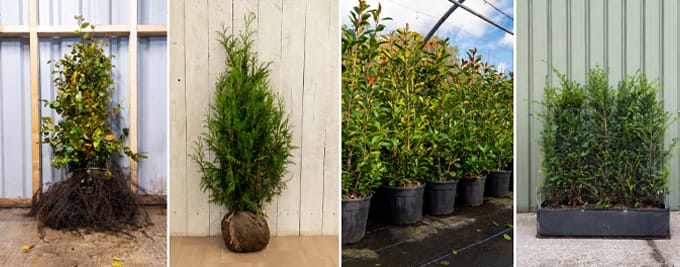
What Are the Different Hedging Root Types?
Bare root, root ball, pot-grown and instant hedging suit different budgets, planting times and levels of initial coverage. Understanding how each is…
Read answer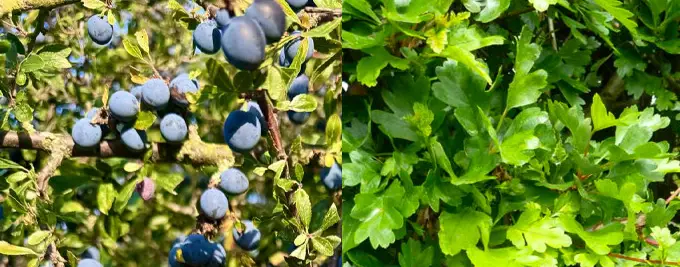
Hawthorn vs Blackthorn: What’s the Difference for Hedging?
Hawthorn and Blackthorn are both thorny native deciduous hedging plants, but they are not interchangeable. Their flowering sequence, fruit, growth habit and…
Read answer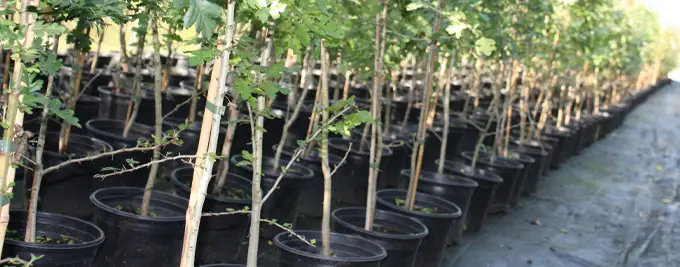
Can Hawthorn Be Grown in a Pot?
Common Hawthorn can be kept in a container, but it is naturally a vigorous shrub or small tree rather than a compact…
Read answerAre Hawthorn Berries Poisonous to Dogs?
Dogs sometimes pick up fallen haws while walking beside hedges or exploring the garden. The fruit is not usually treated as a…
Read answer
Is Euonymus Green Spire Poisonous to Dogs and Cats?
Green Spire is an attractive evergreen hedge, but it is not a plant to treat as edible. Pet owners should prevent dogs…
Read answer
Are Laurel Berries Poisonous?
Laurel hedges can produce attractive dark berries after flowering, but the name "Laurel" covers several different plants. Their fruit is not identical,…
Read answer
Is Laurel Hedging Poisonous?
Laurel is one of the UK's most popular evergreen hedges, but not every plant called Laurel has the same safety profile. This…
Read answer
Is Photinia Red Robin Poisonous to Dogs?
There is conflicting gardening advice about Photinia Red Robin and pet safety. Veterinary toxicology sources support a cautious approach because Photinia foliage…
Read answer