
Are Hawthorn Berries Poisonous to Dogs?
Dogs sometimes pick up fallen haws while walking beside hedges or exploring the garden. The fruit is not usually treated as a major poisoning risk, but there are still sensible precautions around the seeds, quantity eaten and Hawthorn's sharp thorns.
Quick Answer
Hawthorn is not generally classed as a toxic plant for dogs, but it is still best not to let dogs deliberately eat the berries. The hard seeds should be avoided, larger amounts of fruit may upset the stomach, and Hawthorn's sharp thorns can cause physical injury. If a dog becomes unwell, eats a large quantity or the berry identification is uncertain, contact a vet.
Quick Facts
| Botanical name | Crataegus monogyna |
|---|---|
| Dog poisoning risk | Not generally classed as toxic, but deliberate feeding is not recommended |
| Seeds | Best avoided and not deliberately chewed or swallowed |
| Other hazard | Sharp woody thorns can injure paws, noses and eyes |
Is Hawthorn poisonous to dogs?
Common Hawthorn (Crataegus monogyna) is not generally classed as a toxic plant for dogs, but that does not make fallen haws a suitable dog treat. Plant-safety guidance is cautious about pets eating the fruit, particularly because the hard seeds should not be deliberately consumed.
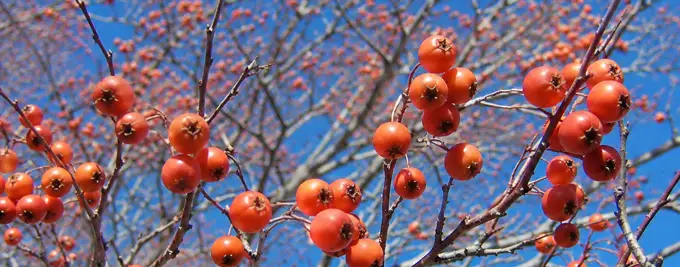
If you are checking a plant in your garden, make sure it really is Hawthorn before relying on this advice. The red haws grow on thorny branches and follow the white spring flowers. You can compare the plant with our Common Hawthorn hedge photographs and description.
What are the main risks from Hawthorn around dogs?
The berries and seeds
A small accidental mouthful of correctly identified ripe Hawthorn fruit is unlikely to be treated in the same way as a known poisonous hedgerow berry. Even so, dogs should not be encouraged to eat haws. Large quantities of unfamiliar fruit can upset digestion, and the hard seeds are best avoided rather than chewed or swallowed deliberately.
The thorns
The physical risk from an established Hawthorn hedge can be more obvious than the fruit. Mature branches carry firm thorns that can catch paws, noses and eyes, particularly where a hedge overhangs a narrow path or where a dog pushes through the base.
What should I do if my dog eats Hawthorn berries?
If your dog has eaten a small number of berries from a plant you are confident is Hawthorn and remains completely well, remove access to more fruit and keep an eye on them. Contact your vet promptly if your dog becomes unwell, has swallowed a large quantity, appears to be choking, or you are not certain that the berries came from Hawthorn.
Do not try to identify an unknown hedgerow berry from colour alone. Several unrelated plants produce red or dark fruit, and their safety is not the same.
How can I make a Hawthorn hedge safer around a dog?
Keep the hedge trimmed back from frequently used paths, collect large amounts of fallen fruit if your dog is a persistent scavenger, and remove thorny clippings carefully after pruning. Positioning and routine maintenance are especially important beside gateways, runs and narrow garden routes.
For wider advice on pruning, positioning and maintaining the plant, see our Hawthorn Hedge Care Guide.

Gwynne's Grower's Tip
With Hawthorn around pets, I would pay as much attention to where the hedge is positioned as to the berries. Keep stiff thorny growth away from narrow paths and gateways, and clear the clippings properly after pruning. If you have a dog that scavenges anything it finds, picking up heavy falls of haws is a simple precaution. The important point with any unknown berry is to identify the plant first rather than assuming every red fruit in a hedge is Hawthorn.
More Hawthorn Advice
For more detailed growing advice or to view the plants available from our nursery, use the links below.
Related Products
Products from our nursery that are relevant to this advice.


What Are the Different Hedging Root Types?
Bare root, root ball, pot-grown and instant hedging suit different budgets, planting times and levels of initial coverage. Understanding how each is…
Read answer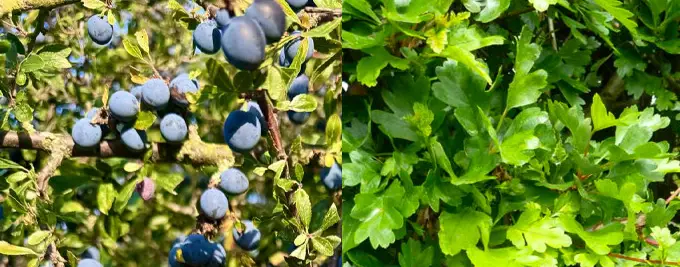
Hawthorn vs Blackthorn: What’s the Difference for Hedging?
Hawthorn and Blackthorn are both thorny native deciduous hedging plants, but they are not interchangeable. Their flowering sequence, fruit, growth habit and…
Read answerCan You Eat Hawthorn Berries?
The red fruits on Common Hawthorn are known as haws and have a long history of use in hedgerow recipes. The important…
Read answer
Can Hawthorn Be Grown in a Pot?
Common Hawthorn can be kept in a container, but it is naturally a vigorous shrub or small tree rather than a compact…
Read answer
Is Euonymus Green Spire Poisonous to Dogs and Cats?
Green Spire is an attractive evergreen hedge, but it is not a plant to treat as edible. Pet owners should prevent dogs…
Read answer
Are Laurel Berries Poisonous?
Laurel hedges can produce attractive dark berries after flowering, but the name "Laurel" covers several different plants. Their fruit is not identical,…
Read answer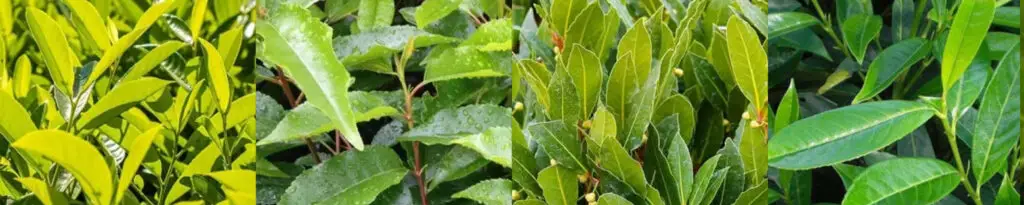
Is Laurel Hedging Poisonous?
Laurel is one of the UK's most popular evergreen hedges, but not every plant called Laurel has the same safety profile. This…
Read answer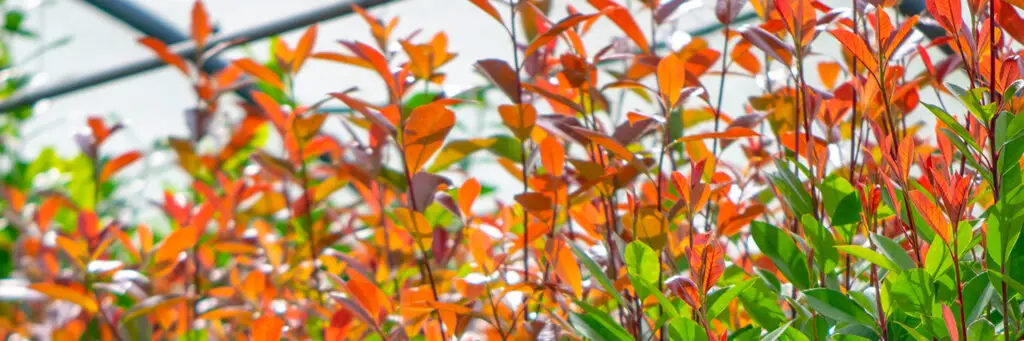
Is Photinia Red Robin Poisonous to Dogs?
There is conflicting gardening advice about Photinia Red Robin and pet safety. Veterinary toxicology sources support a cautious approach because Photinia foliage…
Read answer