
Are Laurel Berries Poisonous?
Laurel hedges can produce attractive dark berries after flowering, but the name "Laurel" covers several different plants. Their fruit is not identical, so it is important to know which type of Laurel you have and which parts present the greatest risk.
Quick Answer
The safest advice is not to eat berries from a Laurel hedge. Cherry Laurel and its cultivars contain cyanogenic compounds, with the greatest concern around the stone or seed kernel and other plant material. Portuguese Laurel is similar, although ripe fruit has a more nuanced toxicity profile. Sweet Bay is botanically different: its leaves are used in cooking, but its berries are ornamental and should not be eaten. Keep fallen berries and chewed plant material away from young children, pets and grazing animals.

Quick Facts
| Cherry Laurel berries | Do not eat; the stone and seed kernel are the main concern |
|---|---|
| Portuguese Laurel berries | Treat as ornamental and do not eat |
| Upright & Compact Laurel | Same Prunus group as Cherry Laurel |
| Sweet Bay berries | Ornamental and not recommended for eating |
| Culinary Bay leaves | Only correctly identified Laurus nobilis leaves |
| Dogs & cats | Serious cyanide poisoning is uncommon, but ingestion can cause illness |
| Horses & livestock | Greater concern, particularly for grazing and ruminant animals |
| Birds | May naturally feed on Laurel fruit |
| Suspected ingestion | Seek appropriate medical or veterinary advice |
What are Laurel berries?
Several plants sold as Laurel hedging produce fruit after flowering, but they are not all the same species.
Cherry Laurel also known as Common Laurel, Upright Laurel and Compact Laurel belong to Prunus laurocerasus. Portuguese Laurel is Prunus lusitanica. These are relatives of cherries, plums, peaches and other members of the Prunus group.
Sweet Bay, Laurus nobilis, is completely different botanically. It is the plant that produces the aromatic Bay leaves traditionally used for cooking.
This distinction is important because saying simply that “Laurel is poisonous” does not give the full picture.
For practical garden safety, however, the rule is straightforward: do not treat berries from a Laurel hedge as food.
Are Cherry Laurel berries poisonous?
Cherry Laurel hedge, Prunus laurocerasus, contains naturally occurring cyanogenic glycosides. These compounds can release hydrogen cyanide when plant material is chewed, crushed or digested.
The concentration is not the same throughout the fruit.
The stone and seed kernel inside the fruit are the greatest concern, along with the leaves and stems. Research has found that cyanogenic compounds in the fleshy part of the fruit fall considerably as Cherry Laurel fruit ripens, while the kernel retains a much greater concentration.
That does not mean we recommend eating ripe Cherry Laurel fruit.
A customer may not know the exact species, cultivar or ripeness of the fruit, and biting or crushing the stone increases the potential risk. Cherry Laurel should therefore be regarded as an ornamental hedging plant rather than an edible fruit crop.
The same precaution applies to Upright Laurel and Compact Laurel because they are cultivars of Prunus laurocerasus.
Are Portuguese Laurel berries poisonous?
Portuguese Laurel, Prunus lusitanica, also belongs to the Prunus group and contains cyanogenic compounds.
Its safety classification is slightly more complicated than simply describing every ripe berry as highly poisonous. The RHS describes ripe Portuguese Laurel fruit as potentially edible while warning that bitter fruit may be harmful, and it identifies the leaves as harmful if eaten.
For a garden hedge, there is little reason to experiment with that distinction.
We recommend treating Portuguese Laurel berries as ornamental and not eating them.
The stone should not be chewed or consumed, and children and pets should not be encouraged to pick fruit from the hedge.
This cautious advice also avoids one of the main problems surrounding Laurel safety: people may recognise the common name “Laurel” without being certain which species they actually have.
Are Sweet Bay Laurel berries poisonous?
Sweet Bay, Laurus nobilis, requires separate treatment because it is not a Prunus Laurel.
Correctly identified Sweet Bay leaves are the familiar culinary Bay leaves used to flavour soups, sauces and stews.
The fruit is different.
Female Sweet Bay plants can produce dark berries after flowering. The RHS classes these fruits as ornamental and not to be eaten.
The fact that Bay leaves are culinary therefore does not mean every part of the plant should be eaten.
It is also essential to identify the plant correctly before using leaves in cooking. Never assume that a hedge is culinary Bay simply because someone has called it “Laurel”.
Are Laurel berries poisonous to dogs and cats?
Cherry Laurel often causes concern among dog owners, particularly when berries begin dropping underneath an established hedge.
The Veterinary Poisons Information Service advises that cyanide poisoning in dogs and cats from cyanogenic plants such as Cherry Laurel is uncommon.
Dogs or cats that eat plant material are more likely to develop gastrointestinal problems such as vomiting, diarrhoea or abdominal discomfort. Eating a quantity of whole fruit may also create an obstruction risk depending on the size of the animal and the amount swallowed.
The risk increases if stones, leaves or other plant material are chewed or crushed, because damaging the plant tissue brings the compounds involved in cyanide production together.
This means there is a sensible middle ground between ignoring the plant completely and assuming that one fallen berry will automatically cause severe poisoning.
Remove accessible fallen fruit where you know a dog regularly eats things from the ground, and discourage pets from chewing the hedge.
If you know or suspect that a pet has eaten a significant quantity of Laurel berries, chewed stones or leaves, or the animal develops unusual symptoms, contact your vet for advice.
Are Laurel berries dangerous to horses and livestock?
Greater caution is required around grazing animals.
Ruminants such as cattle, sheep and goats are more efficient at breaking down plant material than dogs and cats, which can increase their exposure to cyanide released from cyanogenic plants.
Cherry Laurel hedge trimmings should therefore never be tipped into a paddock or field where livestock can reach them.
Wilted, crushed or chopped plant material is particularly unsuitable as animal feed.
If a boundary adjoins grazing land, consider whether animals can browse through or over the fence before planting a Prunus Laurel hedge.
Can birds eat Laurel berries?
Birds frequently feed on the fruits produced by established Laurel hedges, particularly where the plants have been allowed to flower rather than being clipped continuously.
This does not mean the fruit should be considered safe for people or domestic animals.
Birds and mammals process foods differently, and birds may swallow fruits and disperse their seeds as part of the plant’s natural life cycle.
Laurel can therefore provide seasonal food for some garden birds while still being treated as an ornamental rather than edible plant for people.
What should I do if a child eats a Laurel berry?
Do not deliberately make someone vomit after suspected plant poisoning.
If a child or adult has swallowed a Laurel seed, chewed plant material or eaten an uncertain quantity of berries, follow current NHS poisoning advice rather than waiting to see whether symptoms develop.
Try to identify the plant and, if practical, keep a photograph or sample so healthcare professionals know what was involved.
If you are uncertain whether the material swallowed is harmful, seek medical advice. Serious symptoms such as breathing difficulties, collapse, confusion or seizures require emergency medical attention.
Do Laurel hedges have to produce berries?
No.
Laurel only produces fruit where flowers are allowed to develop and are successfully pollinated.
A formal hedge that is clipped regularly often produces relatively few flowers and therefore fewer berries.
If berries are undesirable because of young children, pets or the location of the hedge, pruning after flowering can reduce the amount of fruit that develops.
Bear in mind that flowers and fruit can also provide value to garden wildlife, so there is no need to remove them automatically where there is no particular safety concern.
Is Laurel still suitable for a family garden?
For most gardens, the presence of naturally occurring toxic compounds does not automatically make Laurel unsuitable.
Many familiar garden plants contain substances that should not be eaten. The important considerations are where the hedge is planted and who has access to it.
Extra care is sensible where:
- a young child regularly plays immediately beside the hedge;
- a dog is known to eat berries, leaves or other objects from the ground;
- horses, sheep, cattle or goats can browse the hedge;
- hedge trimmings could accidentally be left where animals can consume them.
For normal garden use, Laurel remains a widely grown evergreen hedge. It should simply be treated as an ornamental plant rather than something to forage from, with Sweet Bay leaves being the clearly identified culinary exception.
Gwynne's Grower's Tip
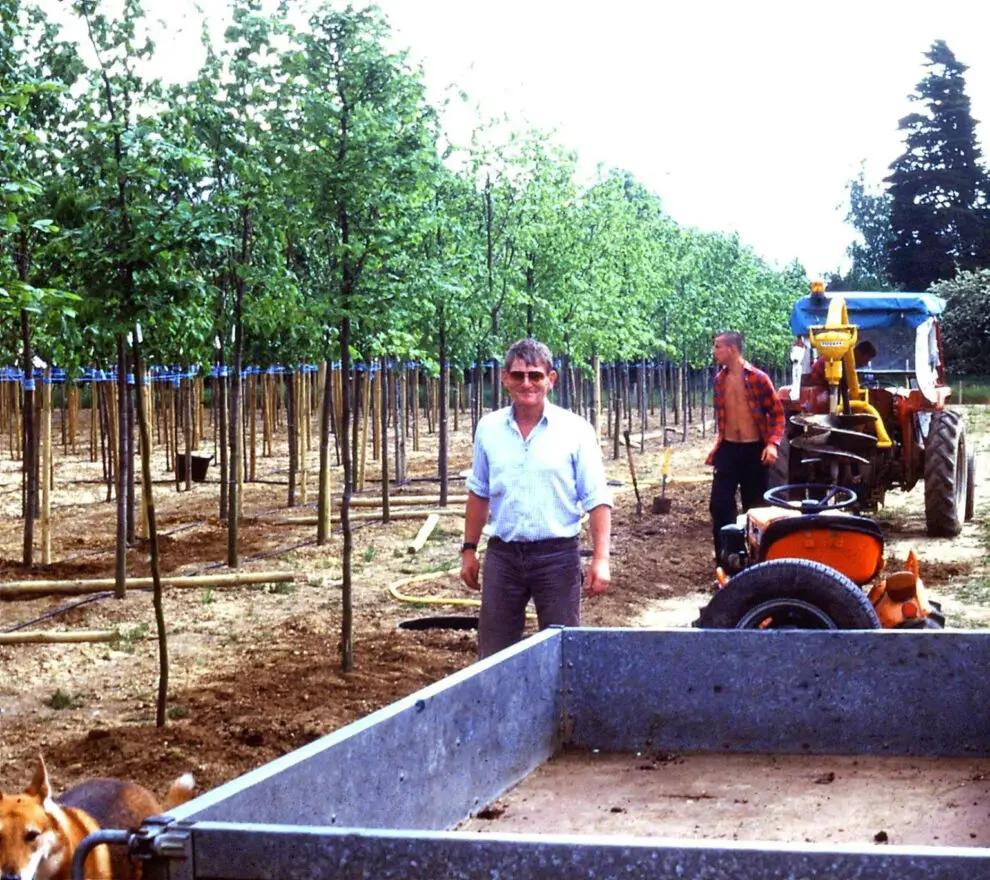
The important thing with Laurel is not to panic simply because berries appear on the hedge. We have grown and handled Laurel for years, and it should be treated in the same sensible way as other ornamental garden plants that are not intended to be eaten. Where I would take extra care is beside grazing animals or with a dog that is known to eat anything it finds. Never throw Cherry or Portuguese Laurel prunings into a paddock, and if fallen berries are attracting a particularly inquisitive pet, clear them from the ground rather than taking an unnecessary risk.
More Laurel Advice
For more detailed growing advice or to view the plants available from our nursery, use the links below.
Related Products
Products from our nursery that are relevant to this advice.


Useful Planting Essentials
Selected products that may help with planting, establishment and ongoing hedge care.
Rootgrow Mycorrhizal Fungi
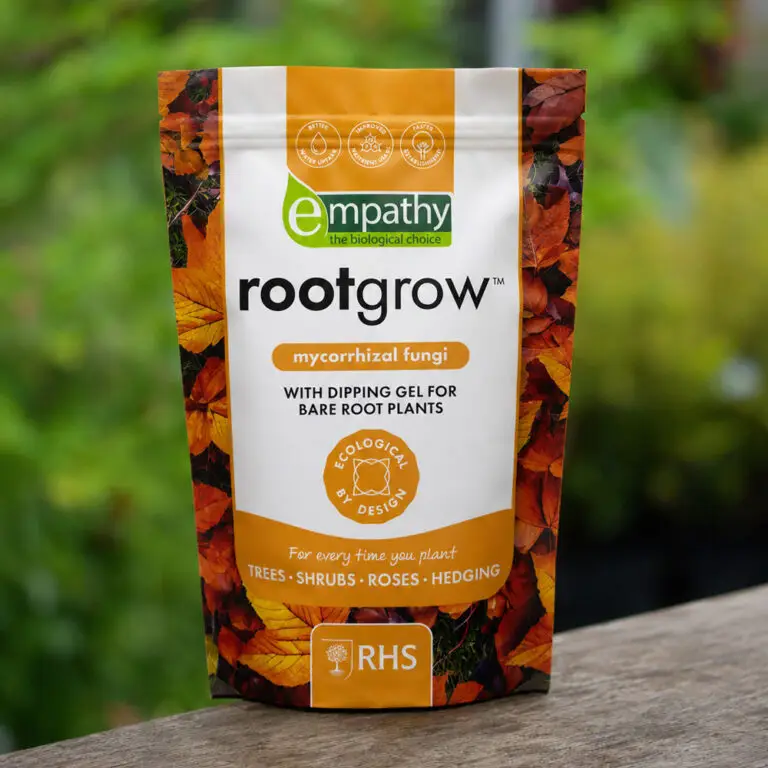
Rootgrow can be applied at planting so the product is in direct contact with the roots, where appropriate for the plant and planting method.
View product
Hedge Feed
Hedge Feed provides balanced nutrition where established hedging would benefit from feeding as part of normal care.
View product
Hedge Irrigation
A hedge irrigation system can make it easier to water a new hedge consistently, particularly on longer runs and during dry weather.
View product
Hedge Compost & Mulch
Compost and mulch can support soil preparation, moisture retention and weed suppression when used appropriately around new hedging.
View product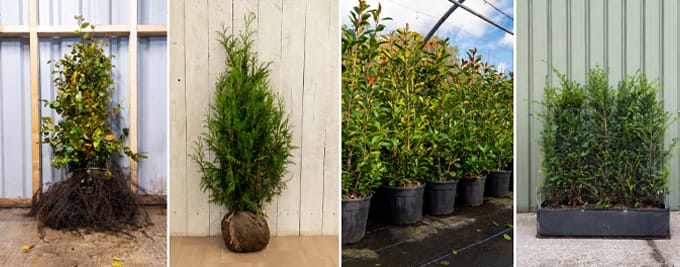
What Are the Different Hedging Root Types?
Bare root, root ball, pot-grown and instant hedging suit different budgets, planting times and levels of initial coverage. Understanding how each is…
Read answer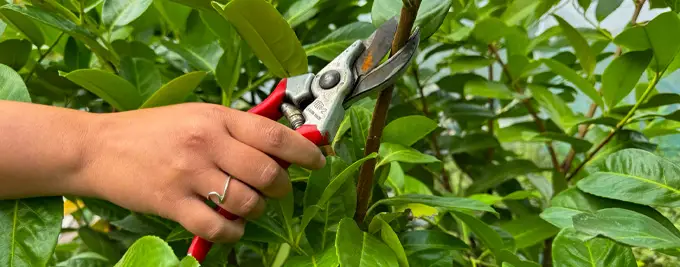
When Should I Prune a Laurel Hedge?
Laurel hedges are forgiving plants, but choosing the right time to prune helps them recover cleanly and keeps the hedge dense and…
Read answer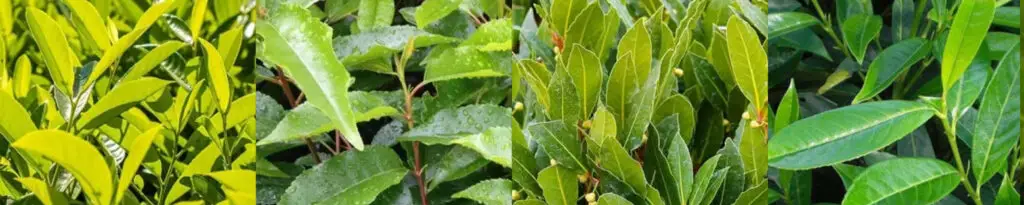
Is Laurel Hedging Poisonous?
Laurel is one of the UK's most popular evergreen hedges, but not every plant called Laurel has the same safety profile. This…
Read answer
What Should I Feed a Laurel Hedge?
Laurel hedging is generally easy to maintain, but the right feed can help young, weak or recently pruned plants make healthy new…
Read answer
Is Euonymus Green Spire Poisonous to Dogs and Cats?
Green Spire is an attractive evergreen hedge, but it is not a plant to treat as edible. Pet owners should prevent dogs…
Read answerIs Laurel Hedging Poisonous?
Laurel is one of the UK's most popular evergreen hedges, but not every plant called Laurel has the same safety profile. This…
Read answer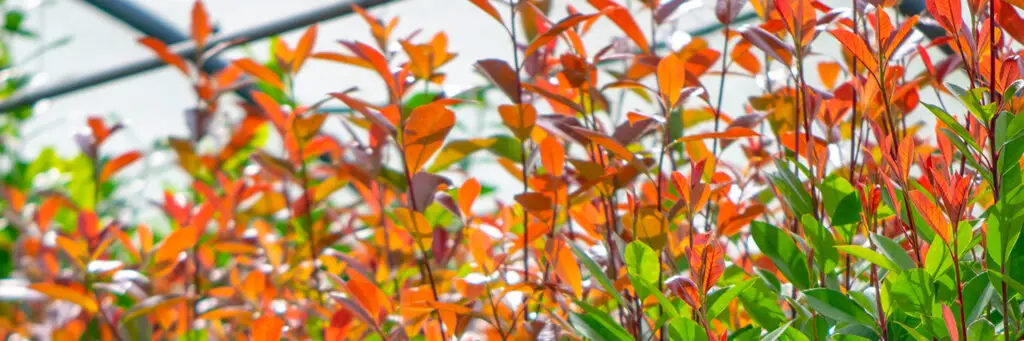
Is Photinia Red Robin Poisonous to Dogs?
There is conflicting gardening advice about Photinia Red Robin and pet safety. Veterinary toxicology sources support a cautious approach because Photinia foliage…
Read answer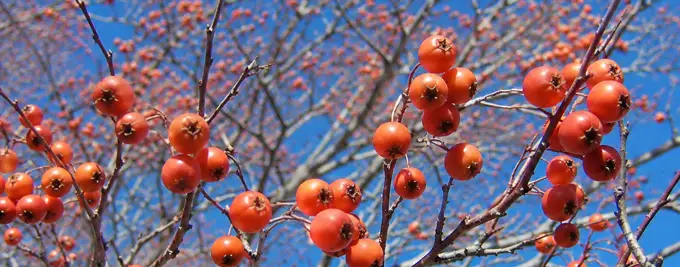
Can You Eat Hawthorn Berries?
The red fruits on Common Hawthorn are known as haws and have a long history of use in hedgerow recipes. The important…
Read answer