
Is Photinia Red Robin Poisonous to Dogs?
There is conflicting gardening advice about Photinia Red Robin and pet safety. Veterinary toxicology sources support a cautious approach because Photinia foliage and fruit contain compounds that can release cyanide when chewed.
Quick Answer
Photinia Red Robin should be treated as potentially poisonous to dogs if eaten. Veterinary toxicology references list Photinia foliage and fruit as containing cyanogenic glycosides, which can release cyanide when chewed. Severe poisoning in small animals is uncommon unless a large amount is eaten, but Red Robin should not be described as completely non-toxic. Prevent dogs from chewing the leaves or fruit and contact your vet promptly after suspected ingestion.
Quick Facts
| Dog safety | Treat as potentially harmful if eaten |
|---|---|
| Compounds of concern | Cyanogenic glycosides |
| Plant parts of concern | Foliage and fruit |
| How toxin can be released | Chewing or damaging plant tissue can release cyanide during digestion |
| Severe poisoning in small animals | Reported to be uncommon unless a large amount is eaten |
| After suspected ingestion | Contact a vet promptly and do not induce vomiting unless instructed |
Why can Photinia Red Robin be harmful to dogs?
Photinia × fraseri contains cyanogenic glycosides in its foliage and fruit. When plant material containing these compounds is chewed or otherwise damaged, cyanide can be released during digestion.
That does not mean a dog that takes a tiny nibble will automatically become seriously ill. Severe cyanogenic plant poisoning is reported to be uncommon in small animals unless a substantial amount is eaten. However, it is not appropriate to describe Red Robin as completely non-toxic, so dogs should be discouraged from chewing the hedge.
Which parts of Photinia Red Robin should dogs avoid?
Dogs should not be allowed to eat the leaves or fruit. This also means keeping freshly cut pruning material away from pets rather than leaving piles of leaves and shoots where a curious dog can chew them.
Red Robin hedges that are clipped regularly may produce relatively few flowers and fruits, but the foliage itself is still relevant to the toxicity question. The safest approach is therefore to prevent deliberate chewing of any part of the plant.
Is one Photinia Red Robin leaf dangerous to a dog?
There is no reliable dog-specific number of leaves or berries that can be described as a safe or toxic dose. The actual risk depends on factors including how much plant material was eaten, whether it was thoroughly chewed, and the size and health of the dog.
Veterinary toxicology guidance indicates that severe poisoning from cyanogenic ornamental plants is uncommon in small animals unless a large ingestion occurs. A small accidental nibble is therefore different from a dog actively eating a quantity of leaves or fallen pruning material, but suspected ingestion should still be taken seriously.
What signs should I watch for after a dog eats Photinia?
Possible signs associated with cyanogenic plant poisoning include vomiting, diarrhoea, unusually rapid or difficult breathing, weakness, loss of coordination, collapse or seizures. More serious cyanide-related signs can develop quickly after a significant exposure.
Do not wait for these symptoms to appear before seeking advice if you know your dog has eaten a meaningful quantity of Photinia. The absence of immediate symptoms does not provide a reliable way to judge the amount consumed.
What should I do if my dog eats Red Robin leaves or fruit?
- Move your dog away from the plant and prevent further access.
- Keep a sample or take a clear photograph of the plant if identification might be useful.
- Try to establish roughly what was eaten, how much and when.
- Contact your vet promptly and follow their advice.
- Do not try to make your dog vomit unless your vet specifically tells you to do so.
If the dog is showing breathing difficulties, weakness, collapse, seizures or other significant symptoms, treat the situation as urgent veterinary care.
Can I still plant a Red Robin hedge if I have a dog?
Having a dog does not automatically mean you cannot grow Photinia Red Robin. Many garden plants contain compounds that pets should not eat, and the practical risk depends heavily on whether the dog habitually chews shrubs or scavenges garden material.
If your dog ignores established shrubs, sensible management may simply involve clearing up pruning waste promptly and preventing access to fruit or fallen plant material. If you have a puppy or a dog that regularly chews woody plants, a hedge with a clearer non-toxic safety profile may be a more suitable choice.
For planting, pruning and general cultivation information, use our Photinia Red Robin hedging care guide. This safety Q&A is intended to address ingestion risk rather than replace veterinary advice.
Why is there conflicting information about Photinia and dogs?
Some gardening sources describe Red Robin as pet-friendly or state that no toxic effects have been reported. Veterinary toxicology references take a more cautious position because Photinia foliage and fruit are recognised as containing cyanogenic glycosides.
For a plant nursery, the safest and most useful advice is therefore not to claim that Red Robin is harmless to dogs. Treat it as potentially harmful if eaten, prevent chewing where practical, and seek veterinary advice after suspected ingestion.
Gwynne's Grower's Tip
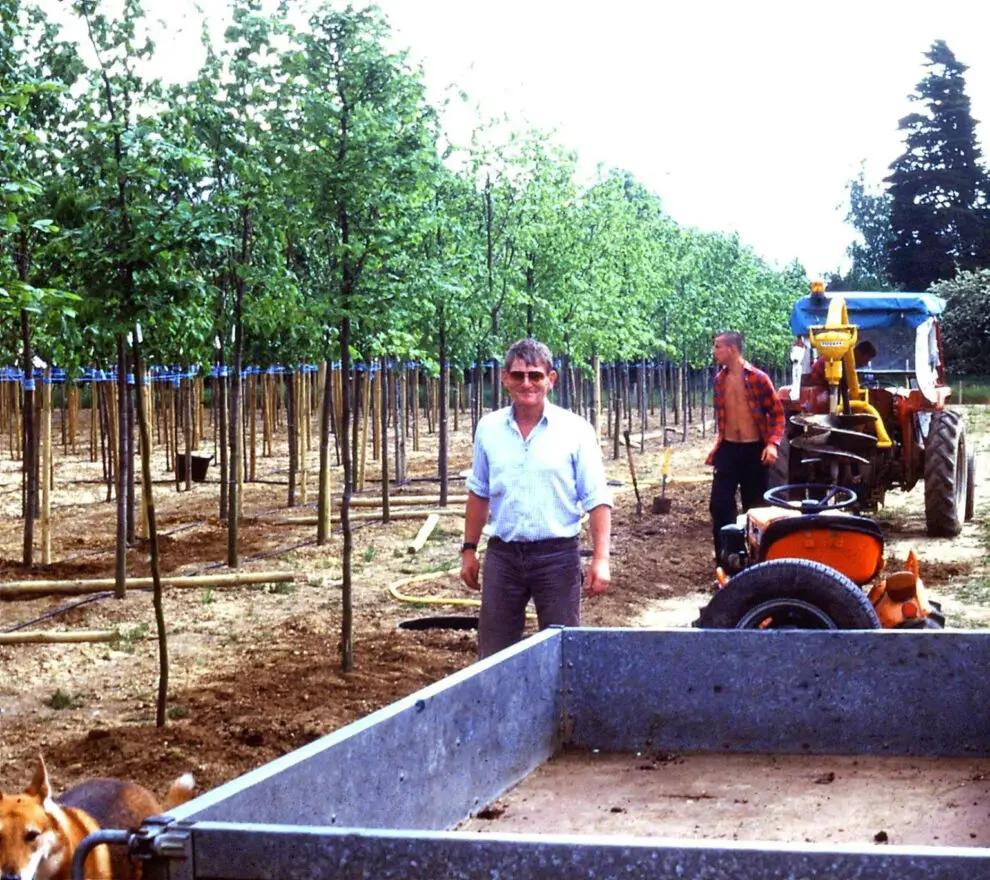
If you have a dog that likes chewing plants, the practical point is to manage the hedge as well as the dog. Do not leave Red Robin prunings lying on the lawn after clipping, and clear fallen fruit where it is easily reached. Most dogs will ignore an established hedge, but puppies and habitual chewers are different. In that situation I would rather choose a planting position the dog cannot access, or consider a hedge with a clearer non-toxic safety profile.
More Photinia Red Robin Advice
For more detailed growing advice or to view the plants available from our nursery, use the links below.
Related Products
Products from our nursery that are relevant to this advice.

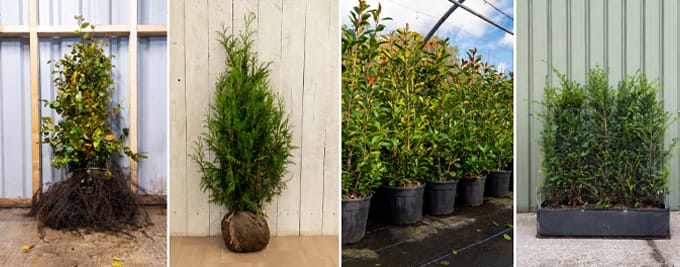
What Are the Different Hedging Root Types?
Bare root, root ball, pot-grown and instant hedging suit different budgets, planting times and levels of initial coverage. Understanding how each is…
Read answer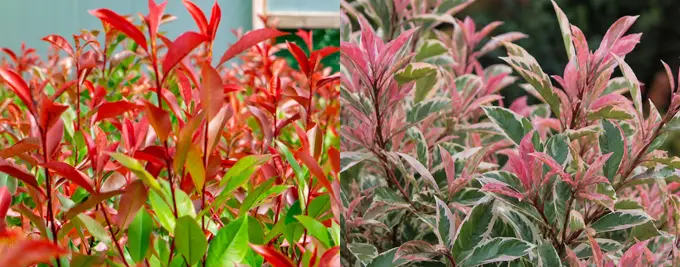
Photinia Pink Marble vs Red Robin: Which Is Better for Hedging?
Photinia Pink Marble and Red Robin are both evergreen Photinia cultivars, but they create very different hedges. Red Robin is the more…
Read answer
Photinia Carré Rouge vs Red Robin: Which Is Better for a Hedge?
Photinia Carré Rouge and Red Robin both provide evergreen foliage and colourful red new growth, but they differ noticeably in eventual size…
Read answer
What Is Eating My Photinia Red Robin Leaves?
Missing pieces, holes or notches in Red Robin leaves can look alarming, but the pattern of damage usually gives a useful clue.…
Read answer
Is Euonymus Green Spire Poisonous to Dogs and Cats?
Green Spire is an attractive evergreen hedge, but it is not a plant to treat as edible. Pet owners should prevent dogs…
Read answer
Are Laurel Berries Poisonous?
Laurel hedges can produce attractive dark berries after flowering, but the name "Laurel" covers several different plants. Their fruit is not identical,…
Read answer
Is Laurel Hedging Poisonous?
Laurel is one of the UK's most popular evergreen hedges, but not every plant called Laurel has the same safety profile. This…
Read answer
Can You Eat Hawthorn Berries?
The red fruits on Common Hawthorn are known as haws and have a long history of use in hedgerow recipes. The important…
Read answer