
How Do I Stop Blackthorn Suckers Spreading Into Lawns and Borders?
Suckering is part of Blackthorn's natural growth habit rather than a sign that the hedge is unhealthy. Regular early removal is usually much easier than allowing shoots to become established.
Quick Answer
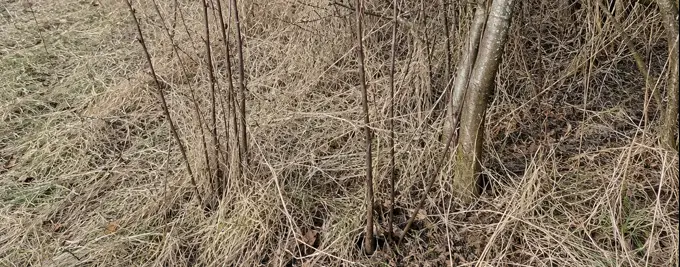
Blackthorn naturally produces shoots from its root system. Remove suckers while they are young, tracing them back towards their point of origin where practical rather than simply allowing them to thicken. In lawns, regular mowing can suppress small emerging shoots. In borders, check routinely and remove new growth before it establishes. Avoid unnecessary root damage, and do not apply systemic weedkiller to suckers that are still connected to a Blackthorn hedge you want to keep.
Quick Facts
| Botanical name | Prunus spinosa |
|---|---|
| Cause | Natural growth from the root system |
| Best time to act | While suckers are young |
| In lawns | Regular mowing can suppress small shoots |
| In borders | Trace and remove new shoots early |
| Systemic weedkiller | Avoid on connected suckers if the parent hedge is to be retained |
Why does Blackthorn produce suckers?
Blackthorn, Prunus spinosa, naturally spreads by sending up new shoots from its roots. This helps it form dense thickets in the wild, but in a managed garden the same habit can put new growth into lawns, beds and neighbouring planting areas.
Suckering is therefore not usually a disease or a sign that the hedge has been planted incorrectly. It is a normal characteristic to allow for when deciding where to grow Blackthorn hedging.
How should you remove Blackthorn suckers from a border?
Deal with them when they are small. Carefully expose enough soil to see where the sucker joins the root system and remove the shoot as close to its point of origin as practical. Young suckers are much easier to manage than woody stems that have been allowed to grow for several seasons.
Check the same area again during the growing season. Removing a single shoot does not guarantee that the root system will never produce another one.
How do you control Blackthorn suckers in a lawn?
Where the ground can safely be mown, regular mowing usually prevents young shoots from developing into established stems. Keep an eye on the lawn close to the hedge and deal with new growth before it becomes thick and woody enough to damage mowing equipment or create a thorn hazard.
Can you stop Blackthorn suckering completely?
It is difficult to promise that an established Blackthorn will never sucker. The practical aim is to manage the spread. Leaving a sensible maintenance strip, checking adjoining ground regularly and removing young shoots early keeps the job manageable.
Avoid unnecessary digging, trenching or repeated damage to roots close to the hedge, because disturbed roots can stimulate further shoots.
Should you spray Blackthorn suckers with weedkiller?
Not if the suckers are attached to a hedge you want to keep. A systemic weedkiller applied to connected growth can move into the parent plant and damage it. Mechanical removal and routine management are the safer approach around a retained hedge.
Our Blackthorn hedge care guide has more information on controlling spread while keeping the main hedge healthy.
Gwynne's Grower's Tip
The easiest Blackthorn sucker is the one you spot early. Once a shoot has been left for a couple of seasons it becomes a small thorny stem and the job is much harder. We would build sucker checks into normal hedge maintenance, especially along lawn edges. Give yourself access to the base of the hedge and avoid constantly digging through the root zone, as damaged Blackthorn roots can respond by producing more shoots.
More Blackthorn Advice
For more detailed growing advice or to view the plants available from our nursery, use the links below.
Related Products
Products from our nursery that are relevant to this advice.

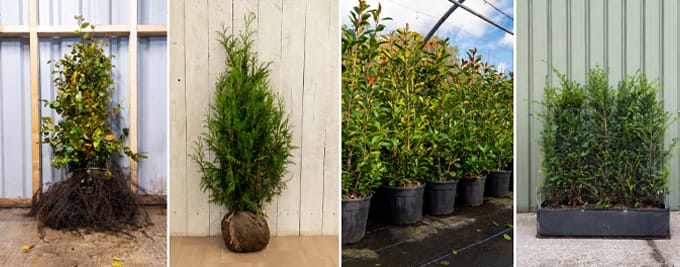
What Are the Different Hedging Root Types?
Bare root, root ball, pot-grown and instant hedging suit different budgets, planting times and levels of initial coverage. Understanding how each is…
Read answer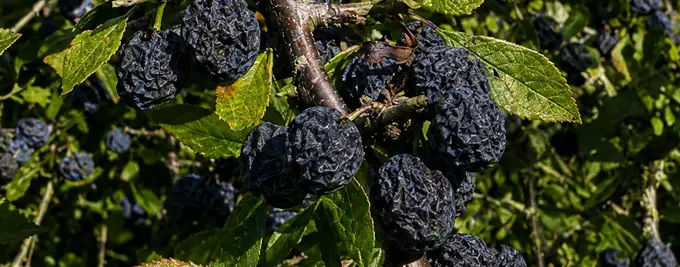
Why Are the Sloes on My Blackthorn Shrivelled or Distorted?
Not every shrivelled sloe has the same cause. Strong distortion, elongation and hollow fruit are characteristic signs of pocket plum, while simple…
Read answer
Why Are My Blackthorn Leaves Turning Silver?
Silvery foliage on Blackthorn deserves a closer look because true silver leaf is a recognised Prunus disease. Similar-looking silvering can also follow…
Read answer
Why Doesn’t My Blackthorn Hedge Produce Many Sloes?
A healthy Blackthorn hedge does not produce the same crop of sloes every year. The first question is whether the hedge flowered…
Read answer
Euonymus Green Spire Problems: Causes and Fixes
Green Spire is a tough, reliable hedge, but a few problems turn up regularly. Here is how to recognise each one quickly,…
Read answer
Do Deer or Rabbits Eat Euonymus Green Spire?
Green Spire should not be regarded as reliably browse-proof. The amount of damage depends heavily on local animal pressure, alternative food and…
Read answer
Can Frost or Wind-Damaged Green Spire Recover?
Evergreen Green Spire can show brown leaf edges, scorched foliage or leaf drop after cold drying winds. The visible damage can look…
Read answer
What Problems Can Photinia Red Robin Have in Pots?
Photinia Red Robin can grow well in containers, but a pot makes the roots more dependent on careful watering, drainage and regular…
Read answer