
Why Are My Blackthorn Flowers Turning Brown and Wilting?
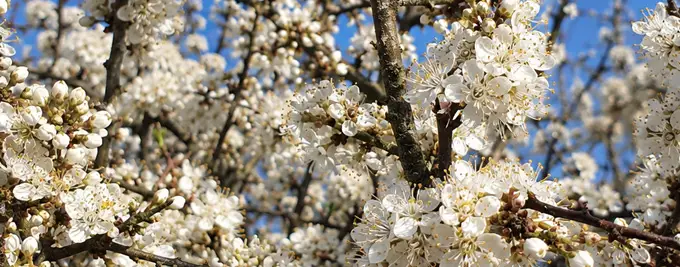
Blackthorn flowers very early in the year, so browned blossom can follow weather damage as well as disease. The condition of the nearby leaves and shoot tips helps narrow down the cause.
Quick Answer
Brown, wilted Blackthorn flowers can be caused by blossom wilt, a Monilinia fungal disease that kills blossom and can extend into nearby shoots. Suspect it more strongly when dead flowers remain attached and adjacent leaves or shoot tips also brown and die back. Early Blackthorn blossom can also be damaged by frost or dry weather, so isolated flower browning does not prove disease. Remove clearly affected shoots where practical and keep dead infected material out of the hedge.
Quick Facts
| Botanical name | Prunus spinosa |
|---|---|
| Possible disease | Blossom wilt |
| Cause | Monilinia fungi |
| Typical disease pattern | Brown dead blossom with nearby shoot or leaf dieback |
| Common lookalikes | Frost and dry weather |
| Practical action | Remove clearly affected material where practical |
What does blossom wilt look like on Blackthorn?
Blossom wilt causes flowers to turn brown, shrivel and die. The dead blossom can remain attached rather than simply dropping, and infection may extend from the flowers into nearby leaves, fruiting spurs or small shoots, producing localised dieback.
On Blackthorn, which flowers early in spring, the timing can make the symptoms easy to confuse with weather damage.
How can you tell blossom wilt from frost damage?
Look at what happens beyond the flowers. A late frost can brown exposed blossom over a wide area while the shoots themselves remain healthy. Blossom wilt is more suspicious when clusters of dead flowers are associated with browning leaves or dying shoot tips immediately behind them.
Dry conditions can also scorch or abort blossom, especially on stressed plants. If there is no continuing dieback after the weather improves, environmental damage becomes more likely.
What should you do with affected shoots?
Where there is clear localised blossom wilt and shoot dieback, cut out affected growth where practical and dispose of it away from the hedge. Make the cut back into healthy material and clean tools after working on diseased sections.
Do not react to a few browned flowers by cutting large areas out of an otherwise healthy hedge. First establish whether the damage is progressing into the shoots.
Can you prevent blossom wilt completely?
No outdoor hedge can be guaranteed free of fungal disease, particularly when spring weather favours infection. Sensible hygiene, removing clearly dead infected material and keeping the hedge reasonably open rather than congested all help reduce persistent problems.
Will blossom wilt reduce the sloe crop?
It can. Flowers that are killed cannot set fruit, so a significant spring infection may lead to fewer sloes later in the year. If the hedge also produces elongated or hollow fruit, check separately for pocket plum because that is a different Blackthorn problem.
For a wider guide to Blackthorn pruning, fruiting and disease symptoms, see our Blackthorn hedge care guide.
Gwynne's Grower's Tip
Because Blackthorn flowers so early, I would not diagnose blossom wilt from brown petals alone. First look just behind the flower cluster. If the shoot tip and nearby leaves are also dying back, disease becomes more likely. If the flowers browned immediately after a sharp frost but the shoots stay healthy and continue growing, weather damage is the stronger explanation. That distinction can save a lot of unnecessary pruning.
More Blackthorn Advice
For more detailed growing advice or to view the plants available from our nursery, use the links below.
Related Products
Products from our nursery that are relevant to this advice.

What Are the Different Hedging Root Types?
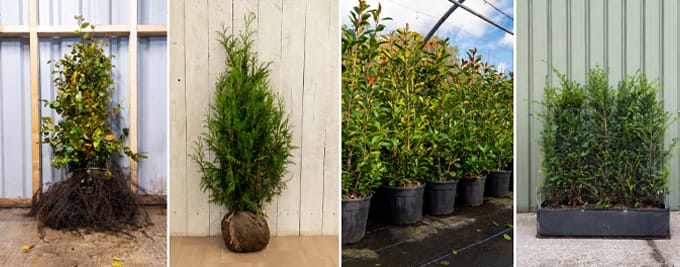
Bare root, root ball, pot-grown and instant hedging suit different budgets, planting times and levels of initial coverage. Understanding how each is…
Read answer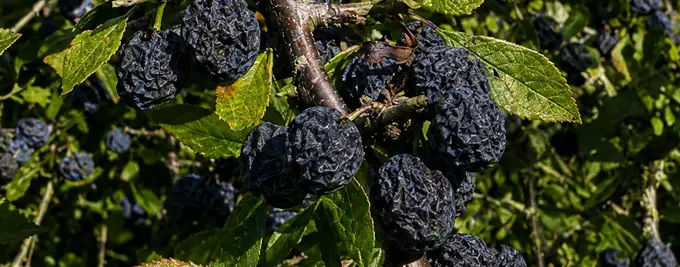
Why Are the Sloes on My Blackthorn Shrivelled or Distorted?
Not every shrivelled sloe has the same cause. Strong distortion, elongation and hollow fruit are characteristic signs of pocket plum, while simple…
Read answer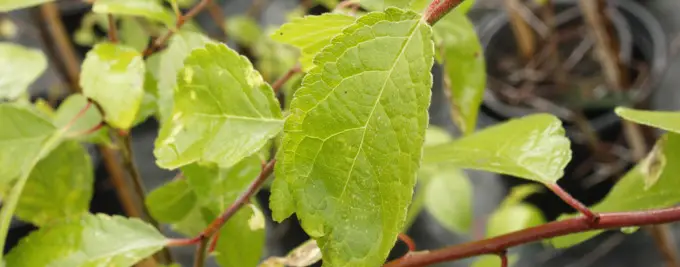
Why Are My Blackthorn Leaves Turning Silver?
Silvery foliage on Blackthorn deserves a closer look because true silver leaf is a recognised Prunus disease. Similar-looking silvering can also follow…
Read answer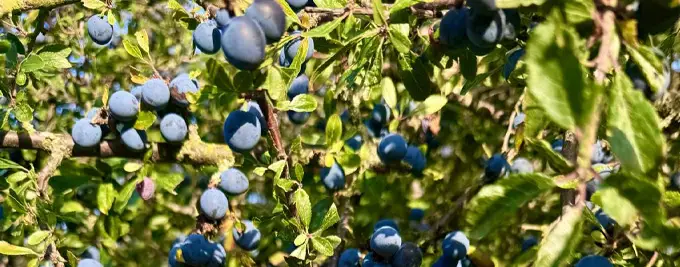
Why Doesn’t My Blackthorn Hedge Produce Many Sloes?
A healthy Blackthorn hedge does not produce the same crop of sloes every year. The first question is whether the hedge flowered…
Read answer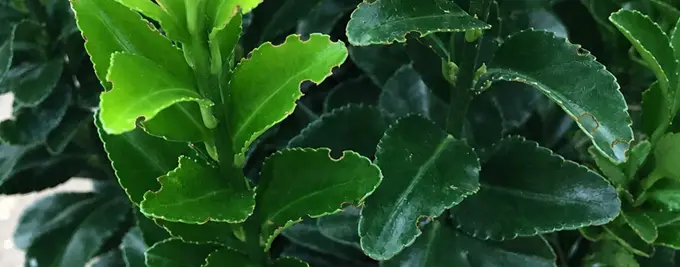
What Causes Notches Around Green Spire Leaves?
Neat-looking bites or irregular U-shaped notches around the edges of Green Spire leaves are a useful diagnostic clue. The visible leaf damage…
Read answer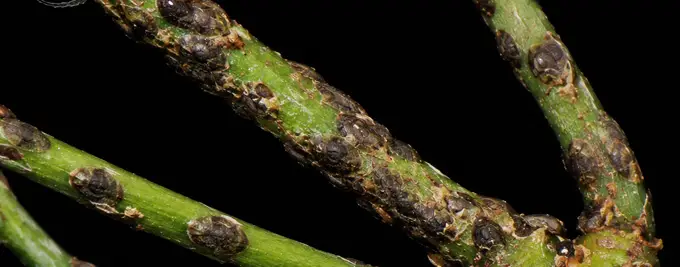
How Do I Identify and Deal With Euonymus Scale on Green Spire?
Euonymus scale is one of the more important pests to check for on Green Spire. Early infestations can be easy to miss…
Read answer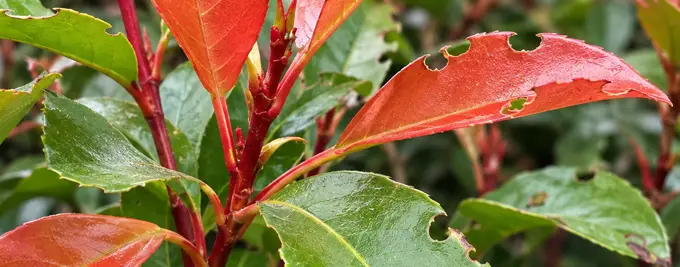
What Is Eating My Photinia Red Robin Leaves?
Missing pieces, holes or notches in Red Robin leaves can look alarming, but the pattern of damage usually gives a useful clue.…
Read answerWhy Are the Sloes on My Blackthorn Shrivelled or Distorted?
Not every shrivelled sloe has the same cause. Strong distortion, elongation and hollow fruit are characteristic signs of pocket plum, while simple…
Read answer