
Portuguese Laurel vs Cherry Laurel: What are the differences?
If you’re weighing up Portuguese Laurel vs Cherry Laurel for your garden, you might wonder which is more suited to your green space.
This comparison looks at the key differences between Portuguese Laurel and Cherry Laurel, including leaf form, growth rate, appearance and suitability, to help you decide which is the better fit for your garden.
Already decided on Portuguese Laurel?
Already decided on Cherry Laurel?
Key takeaways
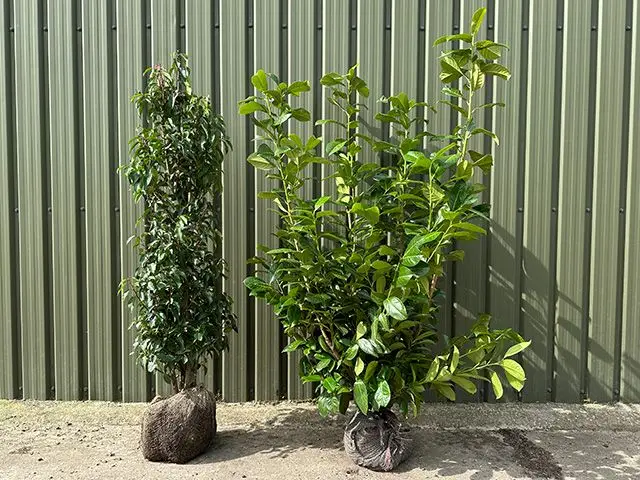
Portuguese Laurel (Prunus lusitanica) and Cherry Laurel (Prunus laurocerasus) are popular evergreens differing in leaf size and color, growth rate, and stem aesthetics, with the former having smaller, darker leaves with red stems, and the latter having larger, glossy green leaves with thick stems.
Both laurel hedge species demand well-drained soil and regular maintenance practices including watering, fertilising, and pruning, but exhibit differences in soil type preference, growth potential, and pruning timeframes to maintain hedge size and vigor.
Both Laurels types are hardy evergreen hedging plants, but their growth habit, appearance and maintenance needs differ. Regular watering while establishing, sensible pruning and good growing conditions will help keep either hedge healthy
Deciphering the Differences: Portuguese Laurel vs Cherry Laurel
Belonging to the laurel family, Portuguese and cherry laurels possess shared characteristics. Their evergreen nature, retaining leaves throughout the year, contributes to their popularity as a consistent, lush garden backdrop. However, they each have unique traits that set them apart.
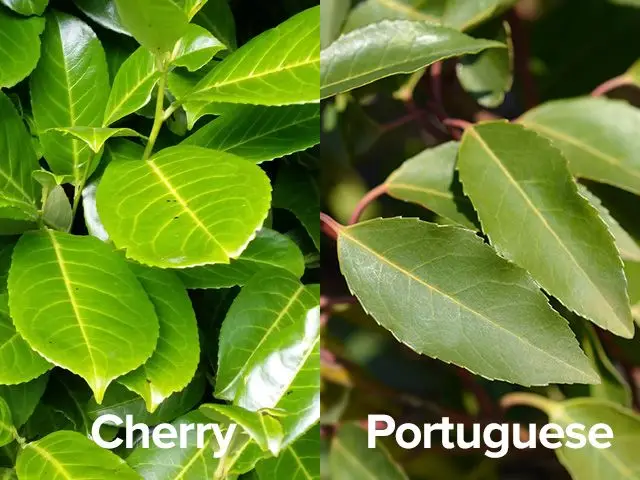
Prunus lusitanica, otherwise known as the Portuguese laurel, is recognised by its smaller, darker green leaves.Its smaller, darker green leaves contrast with distinctive reddish stems, giving Portuguese Laurel a finer, more formal appearance than Cherry Laurel
Conversely, Prunus laurocerasus, or the Cherry laurel, is an evergreen shrub distinguished by its larger, glossy green leaves. These leaves not only create a vibrant and lush visual effect but also provide a robust backdrop for other garden elements.
Leaf Contrast: Dark Green vs Glossy Green
The leaf contrast between the Portuguese laurel and cherry laurel is one of the first differences you’ll notice. The Portuguese laurel’s leaves are darker, giving it a more formal and refined look. This makes it an excellent choice for structured, manicured gardens or formal hedge arrangements.
In contrast, the cherry laurel’s larger, glossy green leaves lend it a vibrant, lush appearance. These leaves are:
- Oblong
- Lanceolate
- Elliptic
- Measuring 2 to 4 inches in length
They are shiny on the top surface and duller on the underside, creating an interesting play of light and shadow throughout the day.
This makes the cherry laurel a great choice for gardens that aim for a more natural, relaxed ambiance.
Growth Rate: Slower vs Faster
Differing growth rates between these two laurels can significantly impact your garden maintenance routine. The Portuguese laurel grows at a moderately slower pace than the cherry laurel. This slower growth rate allows for easier management of hedge size and density through planned pruning.
On the other hand, cherry laurel, including varieties like ‘Caucasica’ and ‘Rotundifolia’, can grow rapidly at a rate of up to 60cm per year. This rapid growth may necessitate more frequent pruning to maintain the desired size and shape of the hedge. However, this fast growth also means that a newly planted cherry laurel hedge will provide a full, dense hedge more quickly than many other hedging plants.
Stem Aesthetics: Red vs Thick Stems
Another factor that differentiates these two laurels is their stem appearance. The Portuguese laurel is known for its dark red stems. These bright red stems and branches add a splash of colour against the dark green foliage, particularly in the winter, adding an extra dimension to the visual appeal of your garden.
In contrast, the cherry laurel has thicker, woody stems. These sturdy stems support the plant’s large, glossy leaves and give a robust structure to the hedge. If you’re looking for a hedge that’s strong and resilient, the cherry laurel’s thick stems make it a perfect choice.
Cultivating Your Hedge: Planting and Care
Having selected the laurel species best suited to your garden, understanding how to cultivate your hedge becomes paramount. The care regimen for laurel hedges includes understanding the plant’s soil preferences, watering needs, and the importance of fertilising and pruning your laurels.
Available in an array of forms, laurels offer significant versatility:
Pot-grown options are suitable for year-round planting. Portuguese laurel hedges thrive in well-drained soil and prefer full sun or partial shade. A well-maintained portuguese laurel hedge requires regular watering and occasional pruning to maintain its aesthetic appeal.
Similarly, cherry laurel hedges also require well-drained soil and regular watering, particularly during dry spells in summer. With proper care and maintenance, these hedges can provide year-round interest, enhance privacy, and even create natural habitats for wildlife.
Soil Preferences and Watering Needs
When it comes to soil preferences, both Portuguese and Cherry laurel are relatively adaptable. Portuguese laurel prefers moist and well-drained soils such as clay, loam, and even chalky substrates, but it must avoid waterlogged conditions to prevent root rot.
Cherry laurel, a relative of the bay laurel, also prospers in a broad array of well-drained soils from clay to sandy loam and requires avoidance of waterlogged conditions.
Key points about growing cherry laurel:
- It prefers well-drained soils
- It can tolerate a range of soil types, from clay to sandy loam
- Avoid waterlogged conditions
- Newly planted cherry laurels require regular watering, especially during dry spells in summer
- Established plants are relatively drought-tolerant
For optimal growth, Portuguese laurel should be kept well-watered throughout the summer and drier periods, especially when young until a strong root system is established.
Fertilising for Optimal Health
Fertilising is a crucial part of maintaining the health of your laurel hedges. Bone meal is an effective natural organic fertiliser for new laurel hedge plantings, with one kilo being enough for 15 meters of hedge.
For established Portuguese laurel hedges, feeding them with a balanced fertiliser such as our Granular Slow Release Hedge Feed promotes a lush, thick hedge. Applying a balanced slow-release fertiliser to Portuguese laurel hedges in early spring and then again in late spring or early summer is recommended to support healthy growth.
Fertilising not only boosts the health of your laurel hedges but also contributes to the overall vitality of your garden.
Seasonal Pruning for Shape and Vigor
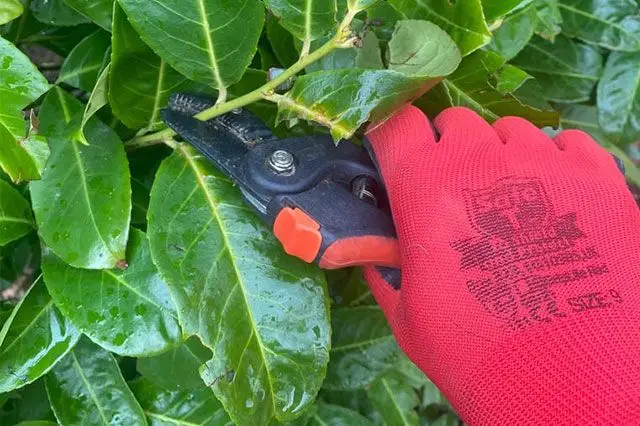
Pruning is another essential aspect of laurel hedge care. Maintaining a Cherry Laurel hedge’s shape is important because its fast growth can quickly make a hedge wider and taller than intended. However, it’s important to avoid the use of hedge trimmers on laurel plants and instead to use manual pruning shears or loppers.
The best time to prune cherry laurel is after flowering in late spring or early summer, while general laurel hedge pruning is most optimal in spring before growth starts. However, light trimming is acceptable year-round as needed. When pruning, remember the following:
- Refrain from removing more than one-third of a branch to prevent plant shock.
- Make angled cuts about 1/4 inch above an outward facing bud to direct new growth outward.
- Use clean, sharp pruning tools.
For further information please see our Comprehensive Laurel Hedge Pruning Guide
Resilience Against the Elements: Climate and Disease
Laurels are not just attractive additions to your garden; they’re also hardy plants that can withstand a variety of climates and resist certain diseases. Portuguese laurel plants, native to diverse regions like the Iberian Peninsula, Morocco, and the French Basque Country, adapt to various climates. This adaptability indicates Portuguese laurel’s potential resilience as a cultivated hedge plant.
Cherry Laurel is widely grown across the UK and Europe and is valued for its hardiness, evergreen foliage and tolerance of a wide range of garden conditions.
For more information, please see our guide on common problems with Laurel hedges
Weathering the Seasons: Heat and Cold
When it comes to weathering the seasons, laurels prove their mettle. The Portuguese laurel is robust against cold weather, withstanding temperatures as low as -23°C. This hardiness makes it a perfect choice for gardens in colder regions where other plants may struggle.
On the other hand, cherry laurel is noted for its overall hardiness. It’s capable of tolerating a wide range of temperatures, suggesting it can manage both hot and cold conditions. This makes cherry laurel a versatile choice, capable of thriving in various climates.
Defending Against Pests and Diseases
In addition to their resilience against various climates, laurels are also adept at defending against pests and diseases. Regular maintenance and pruning can help keep your laurel hedges healthy and vibrant. Pruning involves removing dead or diseased branches and shaping the hedge. After pruning, it’s essential to ensure that cuts are clean to prevent disease and allow for proper healing.
Cherry Laurel is generally disease-resistant, with issues like powdery mildew and shot hole disease being less common. On the other hand, Portuguese Laurel can face pest infestations from:
- vine weevil
- aphids
- thrips
- lacebugs
- scale insects
- caterpillars
However, with the right care and attention, these issues can be managed and prevented, ensuring your laurel hedges stay vibrant and healthy.
Designing with Laurels: Landscape Aesthetics
Laurels are not just functional plants for privacy and windbreaks; they’re also beautiful additions to any landscape design. Here are some reasons why they are an excellent choice for both formal and informal garden settings:
- Their lush foliage adds a touch of greenery and texture to the landscape.
- Their sculptural shapes create interesting focal points in the garden.
- Their seasonal flowers and berries add color and interest throughout the year.
Cherry laurels provide flexibility in landscape design and can be utilised either as a singular specimen or in groups for creating accents and focal points.
Portuguese laurels, with their rich, glossy, and dark green foliage, can contribute a sophisticated look to landscapes, offering a dense texture that can be pruned to any desired shape or size.
Formal vs Informal Settings
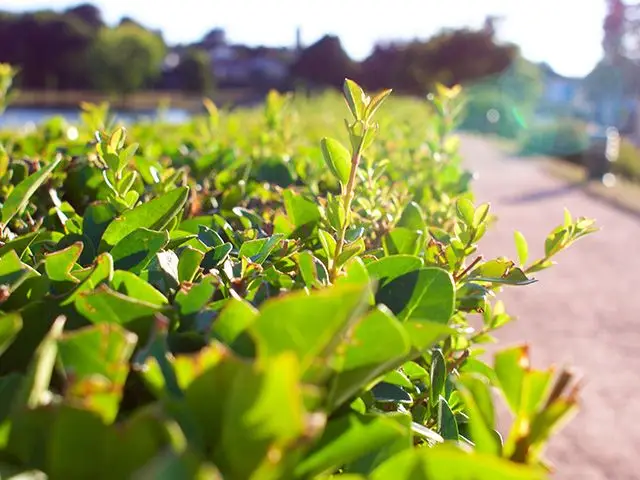
Whether you’re designing a formal or an informal garden, laurels can play a significant role. Cherry laurels are suitable for formal hedge arrangements due to their dense foliage, which can be sculpted to create structured and private outdoor spaces.
On the other hand, if you’re aiming for a more informal or naturalistic garden, both cherry and Portuguese laurels can fit right in. Cherry laurels can be integrated into mixed borders or as freestanding elements that enhance naturalistic landscapes. Similarly, Portuguese laurels in informal gardens can be left to grow more naturally, lending a relaxed and organic ambiance to the landscape.
Decorative Features: Flowers and Berries
Both cherry and Portuguese laurels offer more than just lush foliage. They also boast beautiful flowers and berries, adding seasonal interest and decorative value to the landscape. Portuguese laurel showcases small white flowers with five petals on erect or spreading racemes in late spring. These flowers then transition to dark purple or black cherry-like drupes once ripe, providing a striking contrast against the dark green leaves.
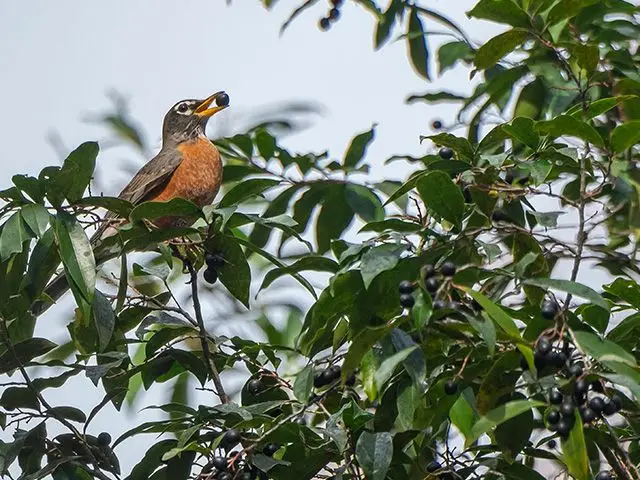
Cherry Laurel produces small, fragrant white flowers in spring, usually in upright racemes, followed later by dark berries. Following its bloom, cherry laurel bears shiny black oval-shaped drupes that attract birds, adding wildlife interest to the garden. These decorative features enhance the aesthetic appeal of laurel hedges and contribute to the overall beauty of your garden.
The Long-Term View: Maturity and Sustainability
Beyond their aesthetic appeal, laurel hedges, as they mature, offer long-term benefits. Some of these benefits include laurel hedging:
- Supporting local ecosystems by providing shelter and food sources for local wildlife
- Contributing to biodiversity
- Adding a dynamic, living element to your garden.
Managing mature hedges, including evergreen hedge varieties, requires anticipating growth and pruning to maintain the desired size and shape. This is particularly crucial for cherry laurels, which can accommodate very hard pruning, allowing for maintenance of a formal shape or growth into a more natural form as a hedging plant.
In contrast, managing the size of Portuguese laurel hedges requires annual pruning post flowering to preserve the desired shape.
Anticipating Growth: Managing Mature Hedges
As your laurel hedges grow and mature, it’s important to anticipate their growth to ensure they fit within your garden’s overall design. Portuguese laurel can reach heights of 15-20m with a typical hedge height of 1.8 to 3 meters. This means that without regular pruning and management, Portuguese laurel hedges can quickly grow larger than intended.
Cherry laurel, on the other hand, can achieve heights of 25-40 feet with a spread of 15-25 feet. This rapid growth means that without regular pruning, cherry laurel hedges can quickly take over your garden space. However, with regular pruning and maintenance, you can control the size of your laurel hedges and ensure they enhance, rather than overwhelm, your garden.
Supporting Ecosystems: Wildlife and Biodiversity
Laurel hedges, in addition to their aesthetic appeal, perform a vital function in sustaining local ecosystems.
Both cherry laurel and Portuguese laurel significantly benefit local ecosystems by supporting wildlife.
Their dense foliage provides essential habitats while their berries serve as food sources for various bird species.
The Portuguese laurel’s springtime white flowers and changing berry colors from cherry-red to glossy black provide seasonal interest and additional wildlife benefits.
Similarly, the cherry laurel’s shiny black oval-shaped drupes attract birds, adding a dynamic element to your garden.
By choosing laurel hedges for your garden, you’re not just creating a beautiful space for yourself, but also a supportive habitat for local wildlife.
Summary
In the world of gardening and landscape design, laurel hedges hold a special place for their versatility, aesthetic appeal, and benefits for local ecosystems.
Whether you choose the dark, small leaves of the Portuguese laurel with its distinctive red stems, or the larger, glossy green leaves of the cherry laurel, you can create a stunning backdrop for your garden that provides year-round interest.
Remember, different types of laurel have unique attributes and care requirements, so choose the one that best fits your garden style, maintenance level, and local climate. With proper care and attention, your laurel hedges can flourish, providing a beautiful, vibrant, and life-supporting addition to your garden.
Frequently Asked Questions
What is the difference between cherry laurel and Bay Laurel?
The main difference between Cherry Laurel and Sweet Bay Laurel is that, while they may look similar, the Bay Laurel is edible, whereas the Cherry Laurel is poisonous. Be cautious when distinguishing between the two.
How hardy is Portuguese Laurel?
Portuguese Laurel is hardy and can survive temperatures as low as -23 degrees Celsius, growing well in both sunny and shaded windy sites.
Which laurel hedge is best?
It depends on what you want from the hedge. Cherry Laurel is usually the better choice for faster growth and dense evergreen screening, while Portuguese Laurel suits customers who prefer smaller leaves, reddish stems and a neater, more formal appearance.
What are the disadvantages of Portuguese Laurel?
The slow growth rate of Portuguese Laurel may be a disadvantage as it takes time to establish a mature hedge. Additionally, regularly pruning Laurel is necessary to maintain its shape and density. Therefore, you should consider these factors before choosing Portuguese Laurel for your landscape.
How often should I water my laurel hedges?
Water your newly planted laurel hedges frequently during the summer and drier periods, especially when they are young. Once established, they become relatively drought-tolerant.
Ready to choose your Laurel?
If fast growth and dense evergreen screening are your priorities, view our Cherry Laurel hedge plants. If you prefer smaller foliage, reddish stems and a neater formal appearance, view our Portuguese Laurel hedge plants. If you are still comparing the wider range, browse our Laurel hedging plants.