
Is Privet Poisonous?
Privet is a familiar garden hedge, but its leaves and berries are not edible. This guide explains the practical risk to people, pets and grazing animals, and the precautions to take.
Quick Answer
Yes. Privet, or Ligustrum, is harmful if eaten. Its leaves, berries and other plant material should be kept away from young children, dogs, cats, horses and livestock. The main concern is chewing or swallowing the plant, not simply growing or touching a healthy hedge. If a person or animal has eaten Privet, seek medical or veterinary advice promptly rather than waiting for symptoms.
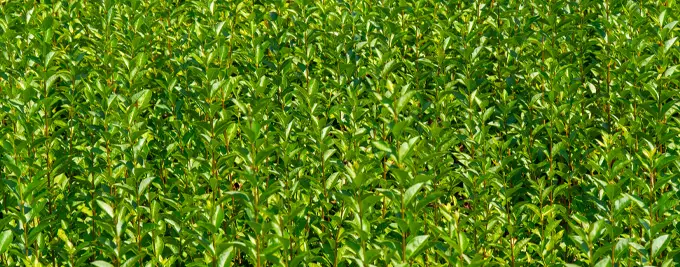
Quick Facts
| Botanical genus | Ligustrum |
|---|---|
| Safety classification | Harmful if eaten |
| Main parts of concern | Leaves and berries |
| People | Do not eat; keep berries away from young children |
| Dogs and cats | Toxic if eaten |
| Horses and livestock | Not recommended where animals can browse the hedge |
| Normal handling | Generally suitable for ordinary pruning and maintenance |
| If eaten | Seek medical or veterinary advice promptly |
Which parts of Privet are poisonous?
Privet should be treated as an ornamental hedging plant rather than an edible plant. The RHS lists Ligustrum, the botanical genus that includes Privet, as harmful if eaten. Both the foliage and the berries should therefore be kept away from people and animals likely to chew or swallow them.
Privet berries develop after the plant’s clusters of white summer flowers. They are usually green at first before ripening to a dark purple or black. Their appearance can make them tempting to young children, but they must not be eaten.
Wild Privet berries are eaten by birds such as thrushes. This does not mean they are safe for people, dogs or grazing animals. Birds can tolerate fruits that may be harmful to other species.
Is Privet poisonous to people and children?
Privet is harmful to people if eaten. Serious poisoning from garden plants is uncommon in the UK, but this should not be interpreted as meaning Privet leaves or berries are safe to taste. The amount swallowed, the part of the plant and the age and size of the person can all influence the risk.
A healthy Privet hedge does not normally present a danger simply by growing in a garden. The practical concern is preventing young children from picking or eating the berries and clearing away plant material after pruning.
Children should be taught not to eat unidentified berries or leaves from the garden. Where a Privet hedge grows beside a lawn, play area, school or nursery setting, fallen berries and fresh clippings should be collected regularly.
If someone may have swallowed Privet, contact NHS 111 for advice. Do not try to make them sick or give them food or drink unless advised by a healthcare professional. Call 999 where there is loss of consciousness, severe breathing difficulty or a seizure.
Is Privet poisonous to dogs and cats?
Privet is considered toxic to dogs and cats if eaten. The ASPCA identifies Privet as toxic to dogs, cats and horses, with gastrointestinal upset being the most commonly reported effect. Other possible signs include poor coordination and an increased heart rate, although severe outcomes are described as rare.
Possible signs of plant poisoning in a pet can include:
- vomiting or diarrhoea
- drooling
- reduced appetite
- unusual tiredness
- twitching or tremors
- difficulty breathing
- collapse
The reaction can vary between animals, so the absence of immediate symptoms does not confirm that no harm has been caused. PDSA advises contacting your vet straight away if you see your pet eating a potentially dangerous plant rather than waiting for symptoms to appear.
Where a dog repeatedly chews garden plants, consider preventing access to the hedge or choosing a different species for areas where the dog is left unsupervised.
Is Privet poisonous to horses and livestock?
Privet is not a suitable choice for a paddock boundary or anywhere horses, ponies, sheep, cattle or other grazing animals can browse the foliage.
Best4Hedging specifically advises against Privet around paddocks and farmland because its foliage is poisonous to horses. Hedges Direct also includes Privet among plants that are toxic to horses.
The greatest practical risk occurs where animals can reach through a fence to eat the hedge or where cut branches are thrown into a paddock. Never dispose of Privet clippings in a field, animal enclosure or livestock feeding area.
A hedge growing outside a secure stock fence may be less accessible, but the risk of animals reaching it should still be assessed before planting.
Is Privet safe to touch and prune?
The principal safety warning for Privet concerns eating the plant rather than normal contact with it. Privet can be planted, clipped and maintained using ordinary gardening precautions.
Gloves are sensible when pruning, particularly when working with large quantities of cut material or using powered hedge trimmers. They protect against scratches, blisters and contact with dirt or residues on the foliage.
After cutting a Privet hedge:
- collect loose leaves, berries and branches
- keep clippings away from children and pets
- do not leave piles where horses or livestock can reach them
- dispose of the material through an appropriate garden-waste or composting system
The complete Privet Hedge Care Guide explains how to plant, water and prune Common, Golden and Wild Privet. HPD’s current Privet range includes all three types, which differ in foliage colour, winter leaf retention and wildlife value.
What should you do if Privet has been eaten?
If a person has eaten Privet
Remove any remaining plant material from the mouth and establish, if possible, which part was eaten and approximately how much.
Contact NHS 111 promptly for medical advice. Do not deliberately cause vomiting. Keep a sample or photograph of the plant available to help with identification.
If a pet has eaten Privet
Contact your vet straight away and provide:
- the animal’s species, breed, age and approximate weight
- the part of the plant eaten
- the estimated amount
- how long ago it happened
- any symptoms that have developed
Animal PoisonLine provides a specialist 24-hour UK service for owners who are concerned that a pet has been exposed to something poisonous. Pets showing collapse, convulsions or breathing difficulties require immediate veterinary attention.
If a horse or livestock animal has eaten Privet
Remove access to the hedge or cut material and contact a veterinary surgeon promptly. Keep other animals away from the same area while the source of exposure is investigated.
Should you avoid Privet if you have children or pets?
Not necessarily. Privet is widely grown in domestic gardens, and the important distinction is between a plant being harmful when eaten and a hedge presenting a danger simply by being present.
Privet may still be suitable where children are supervised, pets do not habitually chew plants and pruning waste is cleared promptly.
A different hedge may be more appropriate where:
- a dog regularly eats leaves, berries or garden debris
- very young children have unrestricted access to fallen berries
- a hedge directly borders a paddock
- horses or livestock can reach through a fence
- cuttings cannot be kept securely away from animals
Customers comparing the available varieties can view the Privet hedging range for Common Privet, Golden Privet and native Wild Privet.
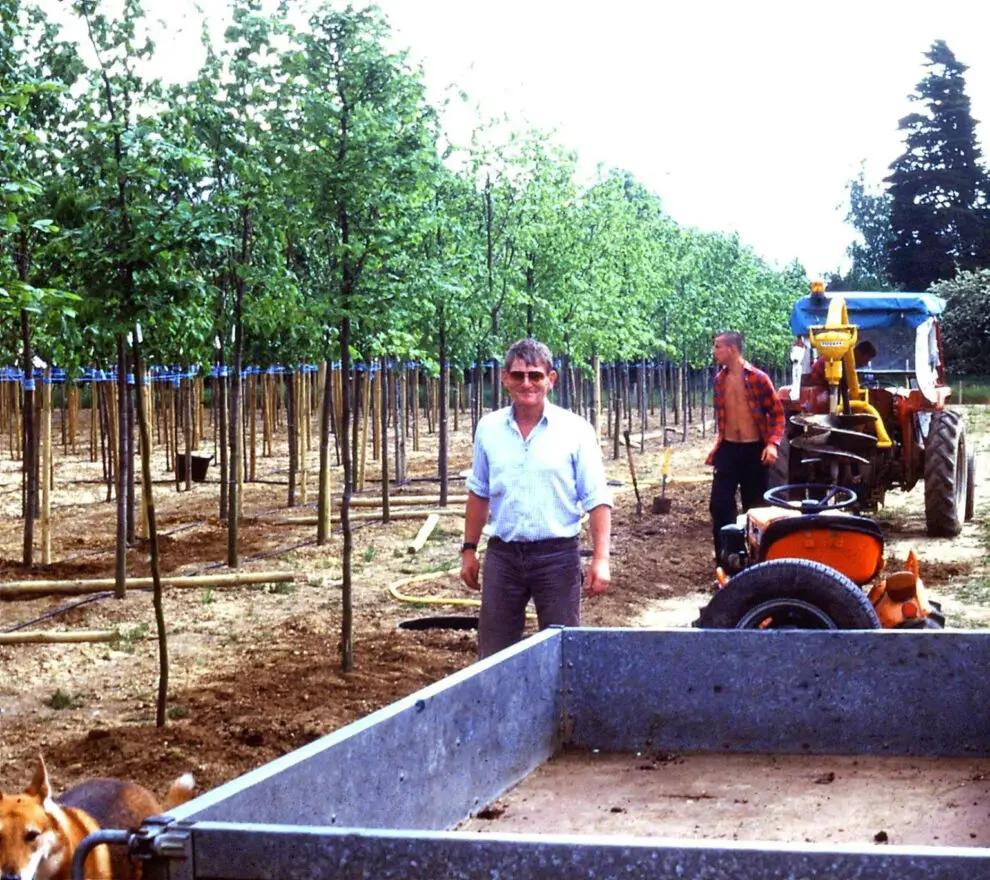
Gwynne's Grower's Tip
The point I would pay most attention to is what happens after the hedge has been trimmed. A standing Privet hedge is unlikely to interest most dogs or children, but freshly cut branches, loose leaves and clusters of berries become much easier to pick up and chew.
Rake up the clippings as soon as you finish and never throw Privet branches into a paddock or animal enclosure. Where a dog regularly eats plants or livestock can browse the boundary, I would choose a hedge with a more suitable safety profile rather than relying on keeping animals away from it.
More Privet Advice
For more detailed growing advice or to view the plants available from our nursery, use the links below.
Related Products
Products from our nursery that are relevant to this advice.


Useful Planting Essentials
Selected products that may help with planting, establishment and ongoing hedge care.
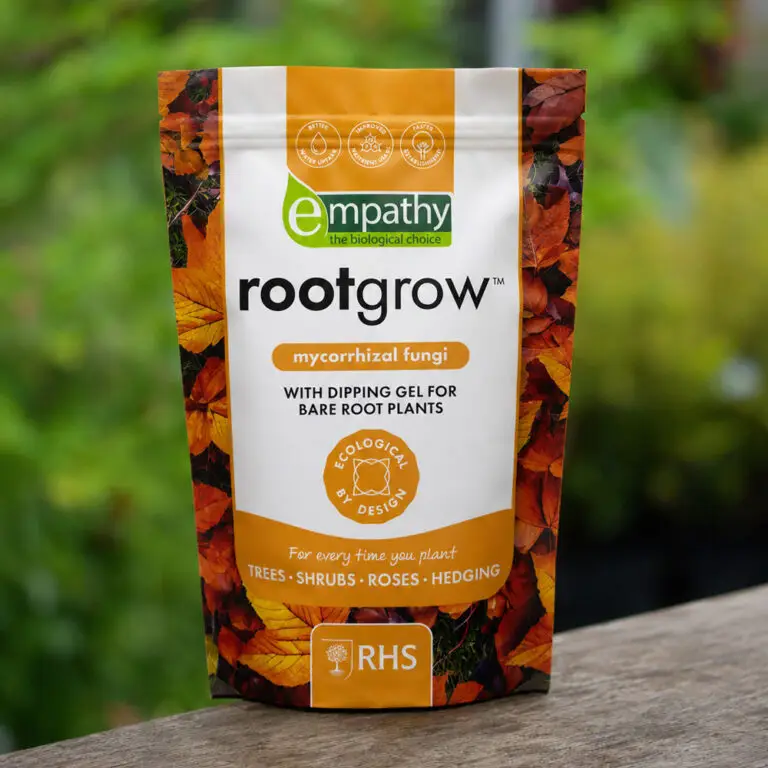
Rootgrow Mycorrhizal Fungi
Rootgrow can be applied at planting so the product is in direct contact with the roots, where appropriate for the plant and planting method.
View product
Hedge Feed
Hedge Feed provides balanced nutrition where established hedging would benefit from feeding as part of normal care.
View product
Hedge Irrigation
A hedge irrigation system can make it easier to water a new hedge consistently, particularly on longer runs and during dry weather.
View product
Hedge Compost & Mulch
Compost and mulch can support soil preparation, moisture retention and weed suppression when used appropriately around new hedging.
View product
How Can I Make a Privet Hedge Grow Faster?
A Privet hedge can grow quickly once its roots are established, but dry soil, weed competition, deep shade and unsuitable pruning can…
Read answer
What Are the Different Hedging Root Types?
Bare root, root ball, pot-grown and instant hedging suit different budgets, planting times and levels of initial coverage. Understanding how each is…
Read answer
Is Privet Evergreen?
Privet is often chosen for privacy, but its winter appearance is less predictable than that of a fully evergreen hedge. The variety,…
Read answer
What Is Eating My Privet Hedge?
Chewed, notched or stripped Privet leaves can have several causes, and the shape of the damage is often more useful than the…
Read answer
Is Euonymus Green Spire Poisonous to Dogs and Cats?
Green Spire is an attractive evergreen hedge, but it is not a plant to treat as edible. Pet owners should prevent dogs…
Read answer
Are Laurel Berries Poisonous?
Laurel hedges can produce attractive dark berries after flowering, but the name "Laurel" covers several different plants. Their fruit is not identical,…
Read answer
Is Laurel Hedging Poisonous?
Laurel is one of the UK's most popular evergreen hedges, but not every plant called Laurel has the same safety profile. This…
Read answer
Is Photinia Red Robin Poisonous to Dogs?
There is conflicting gardening advice about Photinia Red Robin and pet safety. Veterinary toxicology sources support a cautious approach because Photinia foliage…
Read answer