
How Should I Store Bare-Root Hedge Plants Before Planting?
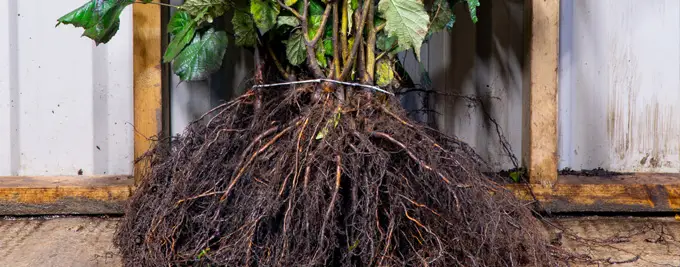
Bare-root hedging is delivered while dormant, without a pot or surrounding soil to protect its roots. Correct storage keeps the roots in good condition while you prepare the planting area or wait for the ground to become workable.
Quick Answer
Plant bare-root hedge plants as soon as possible, ideally within 48 hours of delivery. Until then, keep the roots covered, cool and slightly moist in an unheated shed or garage, protected from sunlight, drying winds, heat and hard frost. Do not leave the roots standing in water. If planting will be delayed for more than about two days, heel the plants into a temporary trench with all the roots covered by moist soil.
Quick Facts
| Recommended planting time | Ideally within 48 hours of delivery |
|---|---|
| Short-term storage | Cool, sheltered shed or garage |
| Root condition | Covered and slightly moist |
| Delay longer than two days | Heel the plants into soil |
| Suitable storage temperature | Cool and unheated, but protected from hard frost |
| Avoid | Greenhouses, direct sun, drying wind and standing water |
Why do bare-root hedge plants need careful storage?
Bare-root hedge plants are lifted from the nursery field and supplied during their dormant season without a pot or substantial amount of soil around their roots. This makes them economical and easy to handle, but it also leaves the fine roots more exposed to drying.
A bare-root plant can tolerate a short delay when it is stored correctly. The greatest risk is not simply being out of the ground for a day or two. It is allowing the roots to become dry, warm or exposed to wind before the plant can be planted.
Hedging Plants Direct recommends planting bare-root hedging promptly and aiming to have it in the ground within approximately 48 hours of arrival.
What should you do when bare-root hedging arrives?
Move the delivery into a cool and sheltered position as soon as it arrives.
Remove the plants from their outer cardboard box or pallet packaging and check that the bundles are in good condition. The roots should remain covered by their protective root wrapping or another suitable damp material while they are waiting to be planted.
Keep plant labels attached and avoid separating mixed bundles until you are ready to set out the hedge. This is particularly useful with mixed native hedging packs containing several similar-looking dormant species.
Do not leave the plants outside in direct sun or an exposed wind while you prepare the trench. Even cold winter wind can remove moisture from uncovered fine roots.
How should bare-root hedge plants be stored for up to 48 hours?
For a short delay, place the plants in an unheated shed, garage or similar sheltered outbuilding.
The storage area should be:
- Cool and away from heaters
- Protected from direct sunlight
- Sheltered from drying winds
- Protected from hard frost
- Away from warm greenhouses or conservatories
Keep the roots covered and slightly moist. They should not be allowed to dry out, but they should not be saturated or left permanently submerged in a bucket of water.
Check the root covering at least once each day. If it is starting to dry, lightly dampen the covering material and close it around the roots again. Avoid soaking the entire bundle or creating waterlogged conditions around the roots.
A greenhouse is usually unsuitable because temperatures can rise quickly on a bright winter day, encouraging moisture loss or premature growth even when the outdoor temperature remains low.
What should you do if planting is delayed for more than two days?
If you cannot plant within approximately 48 hours, the safest option is normally to heel the plants into a temporary trench.
Heeling in temporarily returns the roots to soil, protecting them from drying until the permanent planting area is ready.
How to heel in bare-root hedge plants
Choose a sheltered position
Select an area of workable, reasonably drained soil away from strong winds. A spare vegetable bed or unused garden border can work well.
Dig a temporary trench
Dig a narrow trench approximately 30cm deep. Creating one sloping side makes it easier to lay the plants at an angle.
Check the roots
If the roots appear to need rehydrating, briefly soak them according to the planting instructions supplied with the order. Allow excess water to drain before placing them in the trench.
Position the plants
Keep the plants in manageable bundles and lay them against the sloping side of the trench. Spread or position the roots so they are not bent sharply upwards.
Cover every root
Backfill with loose soil so the entire root system is covered. Do not bury large sections of the stems.
Firm and water the soil
Gently firm the soil around the roots to remove large air pockets, then water sufficiently to settle the soil.
The plants should still be transferred to their final positions as soon as conditions allow and before they begin active spring growth.
What if the ground is frozen or waterlogged?
Do not force bare-root plants into ground that is frozen solid, saturated or too compacted to prepare properly.
When the permanent planting line is unsuitable but another part of the garden has workable soil, heel the plants into the better-drained area temporarily.
If no soil is workable, a large container filled with moist soil or planting compost can provide temporary root protection. Make sure all the roots are covered and keep the container in a cool, sheltered position. This should be treated as temporary storage rather than a substitute for proper planting.
Can bare-root plants be left in their delivery packaging?
Do not leave the complete delivery unopened for several days.
Outer cardboard, pallet wrap and protective transport materials should be removed so the plants can be inspected and do not become warm or excessively wet. However, the roots themselves must remain covered.
For short-term storage, retain or replace the damp root wrapping around the root system. The aim is to keep the roots cool and moist without leaving the whole plant sealed in warm, wet packaging.
What storage mistakes should be avoided?
Allowing the roots to dry
Dry roots are the most serious storage problem. Keep unused plants covered while planting and work through a long hedge line in manageable batches.
Storing plants in a greenhouse
A greenhouse can become unexpectedly warm in winter sunshine. Use a cool shed, garage or sheltered outbuilding instead.
Leaving roots in water
Brief rehydration before planting or heeling in can be helpful, but bare roots should not remain submerged for prolonged periods. Roots also require oxygen.
Exposing plants to wind
Do not spread all the plants along the planting line and leave them uncovered. Only remove the number you can plant immediately.
Delaying until the plants begin growing
Bare-root hedging is supplied during dormancy. Plant it permanently before buds open and significant new growth begins. The exact end of the planting season varies with species, weather and ground conditions.
How should the plants be handled on planting day?
Prepare the trench or planting holes before removing plants from storage. If the plants have been heeled in, uncover only a manageable number at a time and replace soil over the remaining roots.
Plant each hedge plant at approximately the same depth at which it was growing previously. Spread the roots naturally, backfill with prepared soil, firm gently and water thoroughly.
Our complete how to plant a hedge guide covers ground preparation, planting depth, watering and establishment care in more detail.
Gwynne's Grower's Tip
The biggest mistake I see is not necessarily keeping the plants for an extra day. It is taking every plant out of its wrapping and spreading them along the hedge line while the trench is still being prepared. On a dry or windy day, fine roots can lose moisture surprisingly quickly. Prepare the ground first, keep most of the plants covered and only take out a small bundle that you can plant straight away. If the weather stops the job for more than a couple of days, heel them in rather than relying on dry storage.
More General Advice
For more detailed growing advice or to view the plants available from our nursery, use the links below.
Useful Planting Essentials
Selected products that may help with planting, establishment and ongoing hedge care.
Rootgrow Mycorrhizal Fungi
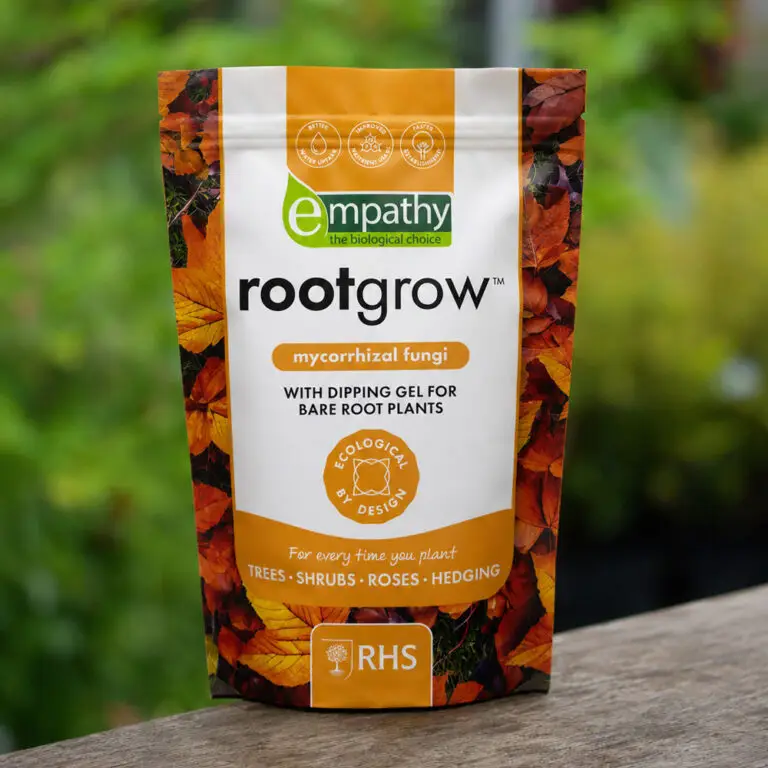
Rootgrow can be applied at planting so the product is in direct contact with the roots, where appropriate for the plant and planting method.
View product
Hedge Feed
Hedge Feed provides balanced nutrition where established hedging would benefit from feeding as part of normal care.
View product
Hedge Irrigation
A hedge irrigation system can make it easier to water a new hedge consistently, particularly on longer runs and during dry weather.
View product
Hedge Compost & Mulch
Compost and mulch can support soil preparation, moisture retention and weed suppression when used appropriately around new hedging.
View product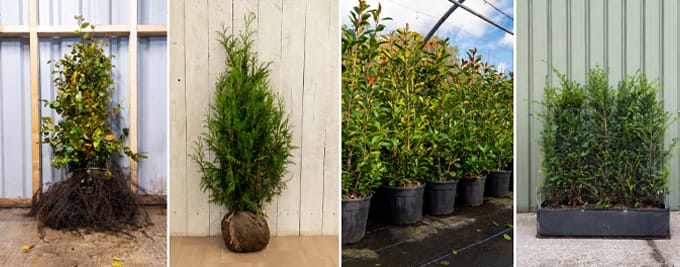
What Are the Different Hedging Root Types?
Bare root, root ball, pot-grown and instant hedging suit different budgets, planting times and levels of initial coverage. Understanding how each is…
Read answer
What Is the Best Soaker Hose for Hedges?
A well-chosen soaker hose makes it easier to water a hedge evenly without wetting the foliage or carrying a watering can along…
Read answer
What Is the Best Watering System for a Hedge?
A good hedge watering system should deliver moisture slowly and evenly along the whole planting line. The most suitable setup depends on…
Read answer
Why Is My Hedge Turning Brown?
A hedge can turn brown for several very different reasons, including dry roots, waterlogged soil, frost, wind, trimming damage or disease. The…
Read answer
Can I Replace a Box Hedge With Green Spire After Box Blight?
Green Spire is one of the closest Euonymus alternatives to a neat low Box hedge. A previous box-blight outbreak does not infect…
Read answer
When Is the Best Time to Plant Hornbeam Hedging?
Hornbeam can be planted in several different forms, and the best planting time depends mainly on whether the plants are supplied bare…
Read answer
How Much Mycorrhizal Fungi Should I Use?
The correct amount of mycorrhizal fungi depends on the size and root type of the plants being treated. Calculating the quantity before…
Read answer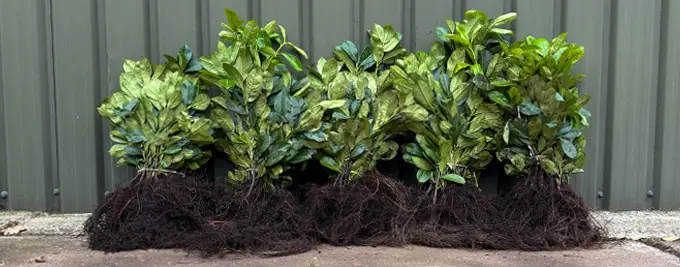
How Long Can Bare-Root Plants Be Stored?
Bare-root plants are vulnerable once they have been lifted because their exposed roots can dry out quickly. Correct temporary storage can protect…
Read answer