
How Long Does a Beech Hedge Take to Establish?
A newly planted Beech hedge can appear quiet above ground while its roots spread into the surrounding soil. Understanding the difference between root establishment, annual growth and a hedge filling out makes it easier to judge whether the plants are progressing normally.
Quick Answer
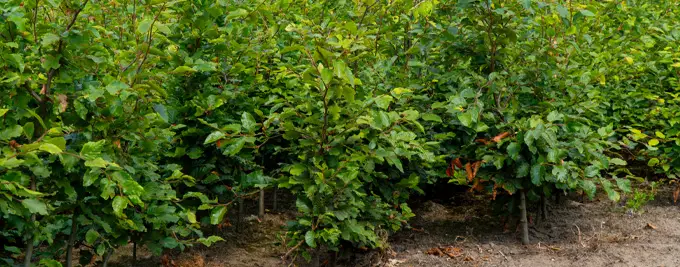
A newly planted Beech hedge usually takes around one to two growing seasons to establish its roots into the surrounding soil. The first season may produce limited visible growth while the roots develop, with stronger shoot growth often following from the second year. Continue establishment watering and weed control through both of the first two growing seasons. This is different from filling out: small Beech plants may begin to join after two or three seasons, with a fuller hedge developing over approximately four to six years.
Quick Facts
| Typical establishment period | Around one to two growing seasons |
|---|---|
| Establishment care | Continue through the first two growing seasons |
| First-season growth | May be limited while roots develop |
| Growth once established | Approximately 20-40cm per year |
| When young plants may begin to join | After approximately two or three growing seasons |
| When a fuller hedge may develop | Approximately four to six years |
| Main influences | Soil, drainage, watering, plant size, root type, weeds, exposure and pruning |
What does it mean for a Beech hedge to establish?
A Beech hedge is becoming established when its original root system begins growing out into the surrounding soil. This allows the plants to obtain moisture and nutrients from a wider area instead of depending mainly on the soil or compost immediately around their original roots.
Establishment does not mean that the hedge has reached its final height or formed a completely solid screen. A hedge can be rooting successfully while still looking open between the plants.
For most newly planted Beech hedging, the first two growing seasons should be treated as the establishment period. The amount of time required varies according to the plant size, root type, soil, planting season and weather.
What should you expect during the first growing season?
During the first spring and summer, a Beech hedge may produce less shoot growth than expected. Much of the plant’s energy is being used to replace disturbed roots and develop new roots in the surrounding ground.
Bare-root plants may make relatively little extension growth during their first season, particularly following a dry spring, late planting or exposure to strong wind. Pot-grown and instant hedging can provide more height immediately, but they must still develop roots beyond their original root balls.
Limited first-year growth does not automatically mean that the hedge is failing. Healthy plants should produce firm buds, flexible stems and some fresh foliage or shoot extension. Beech can also remain dormant until relatively late in spring after a cold winter.
Water the complete root area whenever the soil begins to dry. Do not rely on a brief surface spray, as this may leave the lower roots dry.
What should happen in the second growing season?
Growth will often become more noticeable during the second season as the root system expands. Once established in suitable conditions, Beech hedging commonly produces around 20-40cm of annual growth.
This remains an approximate range. Growth may be slower on dry, shaded, exposed or compacted sites. It may be stronger in fertile, moisture-retentive but well-drained soil where the hedge receives sufficient light and is kept free from competing grass and weeds.
Continue checking the soil during dry periods in the second summer. A hedge that produced good spring growth can still suffer drought stress later in the season if establishment watering is stopped too soon.
How long will a Beech hedge take to fill out?
Root establishment and forming a dense hedge are separate stages.
Small Beech plants placed at the recommended density may begin to join together after approximately two or three growing seasons. A fuller, more continuous young hedge may take around four to six years to develop.
Starting with larger plants provides more immediate height and coverage, but larger plants do not necessarily establish faster. They carry more stems and foliage, require more water and can take longer to extend their roots into the surrounding ground.
Instant Beech hedging provides immediate structure, but each unit still needs careful watering and establishment care during its first two seasons after planting.
What affects how quickly Beech establishes?
Plant size and root type
Small bare-root Beech plants are economical and can establish strongly because their roots are planted directly into the surrounding soil. They need consistent watering during their first spring and summer and protection from rabbits or deer where browsing is likely.
Pot-grown plants provide more flexibility over planting time. However, the original pot compost can become dry even when the surrounding soil feels damp, so the root ball must be checked directly.
Instant hedging gives immediate coverage but has a much larger root system and greater water requirement. Every metre of the hedge must receive sufficient water.
Soil and drainage
Beech performs best in soil that retains reasonable moisture while allowing excess water to drain away. It can grow in chalk, clay, loam and sandy ground where drainage is suitable.
Persistently waterlogged soil deprives developing roots of air and can cause weak growth or dieback. Extremely dry, sandy or shallow soil can also slow establishment unless it is improved and watered carefully.
Where the ground remains wet for long periods, Hornbeam hedging may be a more dependable choice.
Water and weather
Dry roots are one of the most common reasons for poor establishment. Newly planted Beech is particularly vulnerable during hot, windy weather because its developing root system cannot yet draw moisture from a large area.
Water slowly and thoroughly, then allow the soil condition to guide the timing of the next application. Sandy soil may need checking more frequently, while clay soil should be inspected before more water is added.
A hedge irrigation system can help distribute water along a long hedge, but the line should still be checked to make sure every section is working correctly.
Grass, weeds and surrounding plants
Grass and perennial weeds compete strongly with young Beech roots for water and nutrients. Maintain a clear planting strip along the hedge instead of allowing turf to grow up to the stems.
Competition from established trees can also slow a hedge considerably. Deep shade beneath mature trees combines limited light with dry soil and root competition, making establishment more difficult.
How can you help a Beech hedge establish successfully?
Plant Beech at the same depth at which it was previously growing. Planting too deeply can reduce the amount of air reaching the roots, while shallow planting leaves roots vulnerable to drying.
Keep bare roots damp before planting and water pot-grown root balls before removing their containers. Firm the soil around the plants so that roots have good soil contact, but do not heavily compact wet ground.
Apply Rootgrow mycorrhizal fungi directly to the roots at planting if it is being used. Rootgrow can support the association between the plant and beneficial fungi, but it does not replace correct planting, watering or soil preparation.
Add an organic mulch over the root area to help retain moisture and suppress weeds. Leave a small gap around each stem and do not pile mulch against the base of the plants.
Avoid trying to force rapid top growth with excessive fertiliser. Good drainage, moisture, weed control and mulch are normally more important during establishment. A balanced hedge feed can be considered in spring where the soil is poor or established plants are making unusually weak growth.
How can you tell whether the hedge is establishing normally?
Positive signs include:
- Firm buds that open during spring
- Flexible stems with green tissue beneath the bark
- Fresh leaves without persistent wilting
- Some new shoot extension
- Soil that remains moist but not saturated around the roots
- Gradually stronger growth during the second season
Possible warning signs include repeated wilting, crisp brown leaf margins, premature leaf fall, shoots that stop growing or dry soil beneath the mulch.
Yellow leaves combined with persistently wet soil, standing water or progressive dieback in lower parts of the planting line can indicate poor drainage. Brittle stems with dry brown tissue beneath the bark may indicate that an individual plant has failed.
The complete Beech Hedging Care Guide explains watering, soil preparation, formative pruning and the most common causes of poor Beech growth in greater detail.
Gwynne's Grower's Tip
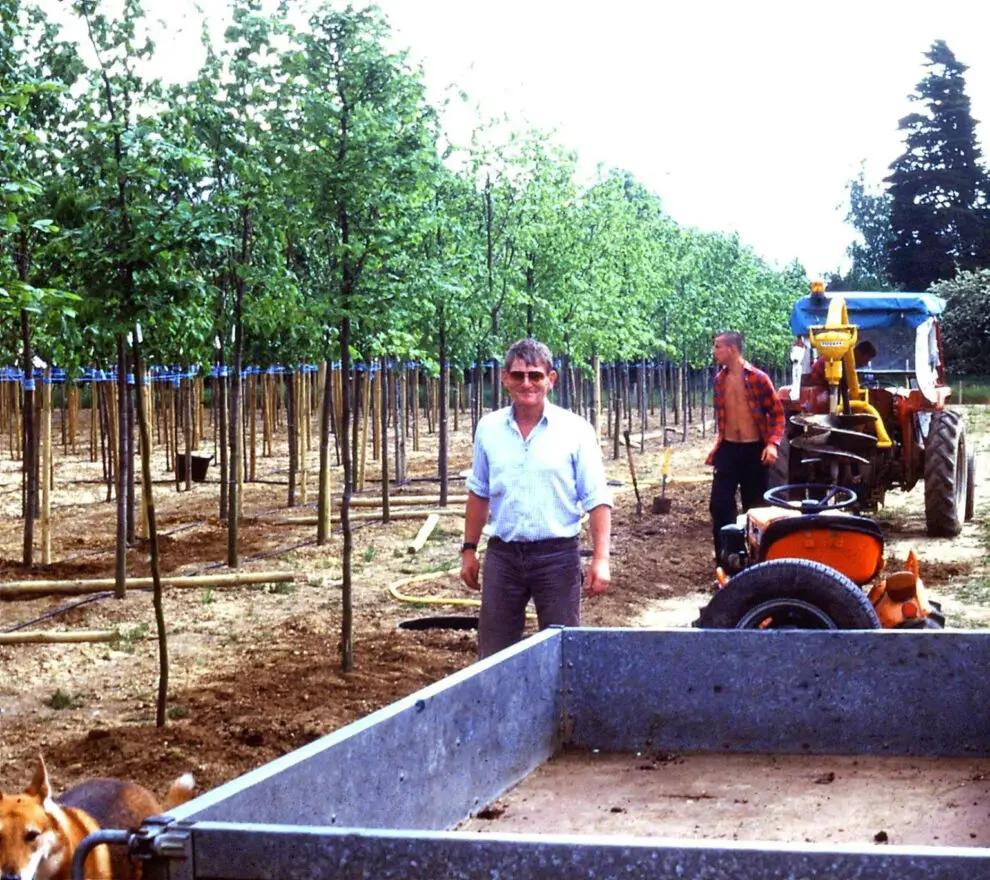
Do not judge a newly planted Beech hedge only by the amount of growth it makes in its first summer. A modest amount of top growth can be perfectly normal while the plants are developing roots. Check the buds, stems and moisture below the soil surface instead. One of the most common mistakes is allowing grass to grow back around the plants and then trying to compensate with occasional watering. Keep a clear strip, water slowly enough to reach the complete root system and continue checking the hedge through its second summer. Larger plants provide faster coverage, but they usually need more water and attention while they settle in.
More Beech Advice
For more detailed growing advice or to view the plants available from our nursery, use the links below.
Related Products
Products from our nursery that are relevant to this advice.


Useful Planting Essentials
Selected products that may help with planting, establishment and ongoing hedge care.

Rootgrow Mycorrhizal Fungi
Rootgrow can be applied at planting so the product is in direct contact with the roots, where appropriate for the plant and planting method.
View product
Hedge Feed
Hedge Feed provides balanced nutrition where established hedging would benefit from feeding as part of normal care.
View product
Hedge Irrigation
A hedge irrigation system can make it easier to water a new hedge consistently, particularly on longer runs and during dry weather.
View product
Hedge Compost & Mulch
Compost and mulch can support soil preparation, moisture retention and weed suppression when used appropriately around new hedging.
View product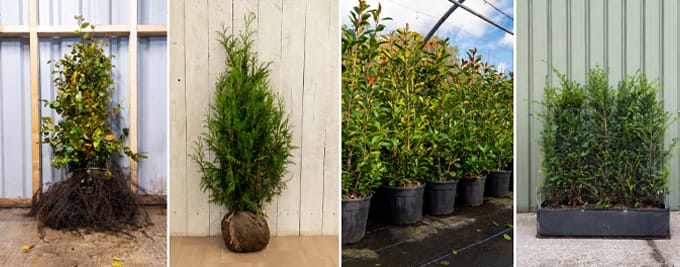
What Are the Different Hedging Root Types?
Bare root, root ball, pot-grown and instant hedging suit different budgets, planting times and levels of initial coverage. Understanding how each is…
Read answer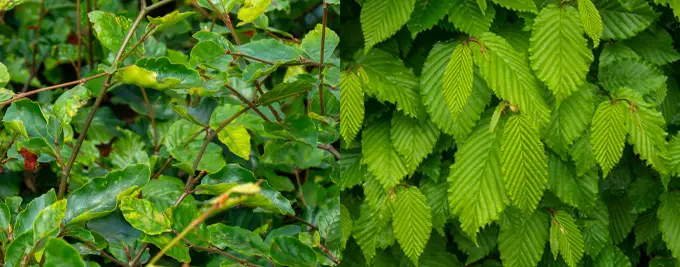
Beech or Hornbeam: Which Hedge Is Better?
Beech and Hornbeam create similarly dense, traditional-looking hedges, but they perform best in different conditions. The right choice depends mainly on your…
Read answer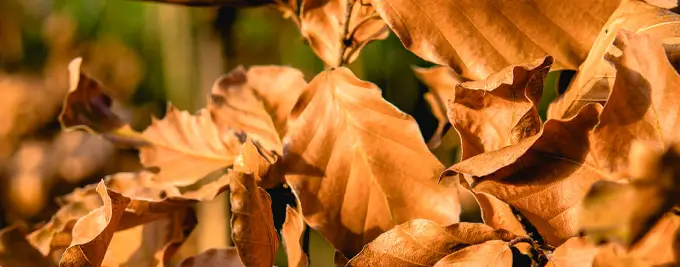
Is Beech Evergreen? What Does a Beech Hedge Look Like in Winter?
Beech hedging changes noticeably with the seasons, developing fresh green or purple foliage in spring and warm copper-brown tones during autumn. Its…
Read answer
How Do I Make a Beech Hedge Thicker?
A thin Beech hedge is often caused by weak formative pruning, shade at the base, dry roots, weed competition or gaps between…
Read answer
Can Euonymus Green Spire Be Grown in Pots?
Green Spire's naturally upright, compact habit makes it well suited to container growing. Pots do, however, need more regular watering and root…
Read answer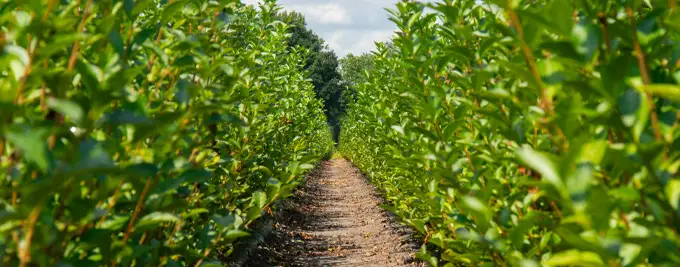
How Can I Make a Privet Hedge Grow Faster?
A Privet hedge can grow quickly once its roots are established, but dry soil, weed competition, deep shade and unsuitable pruning can…
Read answer
How Fast Does a Hornbeam Hedge Grow?
Hornbeam is a dependable native hedging plant, but the time it takes to form a useful screen depends on more than the…
Read answer
Is Holly Fast or Slow Growing?
English Holly is valued for dense evergreen foliage rather than rapid growth. Understanding its natural growth rate helps you choose the right…
Read answer