
Can You Eat Blackthorn Berries (Sloes)?
Blackthorn produces the blue-black fruits known as sloes. They are widely used in preserves and drinks, but there are a few sensible precautions before picking or eating them.
Quick Answer
Yes. The ripe flesh of sloe berries from Blackthorn (Prunus spinosa) is edible and is commonly used for preserves, syrups and sloe gin. Fresh sloes are usually extremely tart and astringent, so most people process them rather than eat them straight from the hedge. Do not chew or crush the hard stone, only pick fruit you can identify confidently, and take care around Blackthorn's sharp thorns.
Quick Facts
| Fruit | Sloe |
|---|---|
| Botanical name | Prunus spinosa |
| Edible part | Ripe fruit flesh |
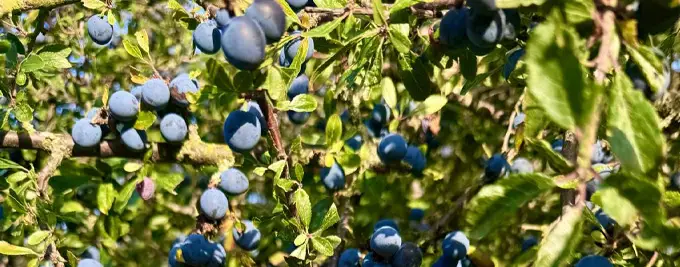
| Typical colour when ripe | Deep blue-black with a pale waxy bloom |
| Main cautions | Very astringent raw; avoid chewing or crushing the stone; sharp thorns |
Are sloe berries edible?
Yes. Sloes are the fruit of Blackthorn, Prunus spinosa, and the ripe flesh is edible. They are much more astringent than most familiar garden fruits, so eating several raw sloes is not usually pleasant. Their strong flavour is why they are more commonly used in sloe gin, jellies, jams, syrups and other cooked or infused recipes.
If you are growing a Blackthorn hedge partly for its fruit, a sunny position and less severe clipping generally give the plant more opportunity to flower and form sloes.
What do ripe sloes look like?
Ripe sloes are usually small, rounded fruits that turn deep blue-black and develop a pale, dusty-looking waxy bloom. They ripen in autumn and can remain on the branches into colder weather if birds and other wildlife do not take them first.
Only collect fruit when you are confident that the plant is Blackthorn. The hedge itself is deciduous, densely branched and armed with sharp thorns. In spring it carries masses of small white flowers before or around the time the leaves emerge.
Can you eat sloes straight from the hedge?
You can taste the ripe flesh, but fresh sloes are strongly acidic and astringent. That dry, puckering sensation is normal and is one reason sloes are usually processed rather than eaten like grapes or plums.
The hard stone should not be chewed or crushed. As with other members of the Prunus group, the kernel inside the stone is not a part of the fruit to eat.
Do sloes need a frost before you pick them?
No. Waiting for the first frost is a traditional way of allowing fully ripe sloes to soften, but it is not essential. If the fruit is ripe before a frost arrives, it can be harvested and frozen at home before use. Freezing also helps split and soften the skins for many recipes.
How should you pick sloes safely?
Blackthorn thorns are long and sharp, so wear gloves and long sleeves and pick where you can see what you are reaching through. Avoid pulling heavily on branches, particularly in a young hedge. For more information on flowering, fruiting and pruning, see our Blackthorn hedge care guide.
Gwynne's Grower's Tip
If sloes are one of the reasons you are growing Blackthorn, avoid turning the hedge into a tightly clipped box. Blackthorn flowers on established shoots, so repeated hard clipping can remove flowering wood before it has a chance to carry a crop. We normally favour a more natural, slightly looser framework where fruit and wildlife value matter. When picking, use gloves and work from the outside of the hedge rather than reaching blindly through thorny growth.
More Blackthorn Advice
For more detailed growing advice or to view the plants available from our nursery, use the links below.
Related Products
Products from our nursery that are relevant to this advice.

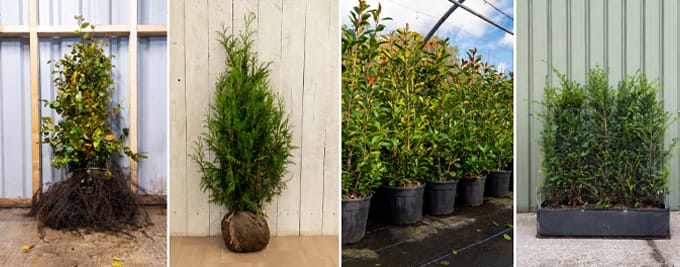
What Are the Different Hedging Root Types?
Bare root, root ball, pot-grown and instant hedging suit different budgets, planting times and levels of initial coverage. Understanding how each is…
Read answer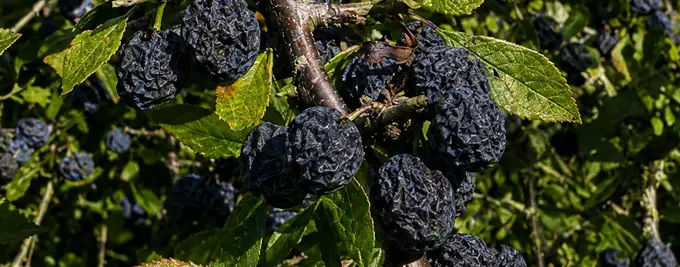
Why Are the Sloes on My Blackthorn Shrivelled or Distorted?
Not every shrivelled sloe has the same cause. Strong distortion, elongation and hollow fruit are characteristic signs of pocket plum, while simple…
Read answer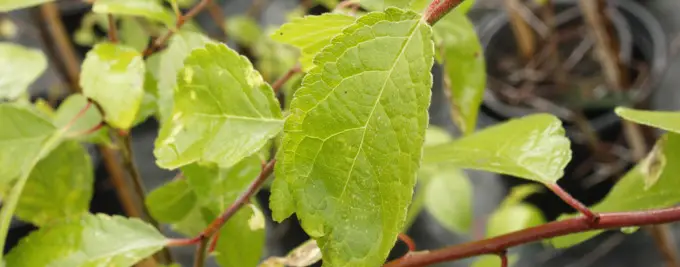
Why Are My Blackthorn Leaves Turning Silver?
Silvery foliage on Blackthorn deserves a closer look because true silver leaf is a recognised Prunus disease. Similar-looking silvering can also follow…
Read answerWhy Doesn’t My Blackthorn Hedge Produce Many Sloes?
A healthy Blackthorn hedge does not produce the same crop of sloes every year. The first question is whether the hedge flowered…
Read answer
Is Euonymus Green Spire Poisonous to Dogs and Cats?
Green Spire is an attractive evergreen hedge, but it is not a plant to treat as edible. Pet owners should prevent dogs…
Read answer
Are Laurel Berries Poisonous?
Laurel hedges can produce attractive dark berries after flowering, but the name "Laurel" covers several different plants. Their fruit is not identical,…
Read answer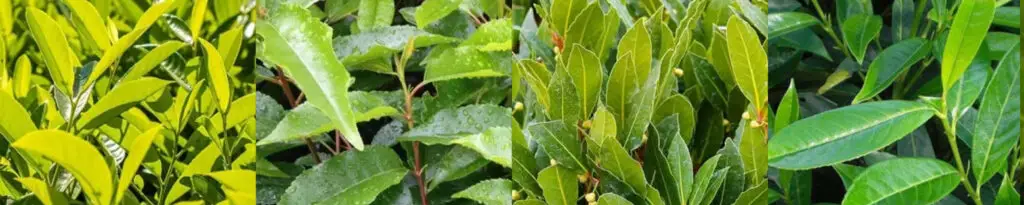
Is Laurel Hedging Poisonous?
Laurel is one of the UK's most popular evergreen hedges, but not every plant called Laurel has the same safety profile. This…
Read answer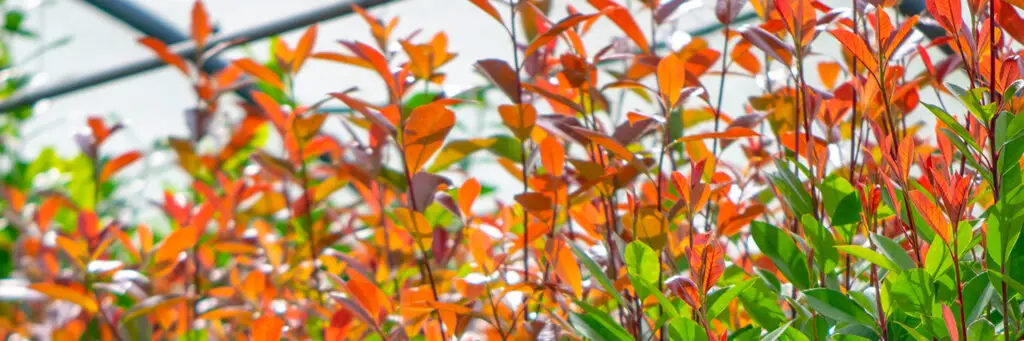
Is Photinia Red Robin Poisonous to Dogs?
There is conflicting gardening advice about Photinia Red Robin and pet safety. Veterinary toxicology sources support a cautious approach because Photinia foliage…
Read answer