
Can RootGrow Be Used After Planting?
RootGrow is most effective when its mycorrhizal fungi can reach living roots. If your hedge is already in the ground, the right approach depends on how recently it was planted and whether the roots can be reached without disturbing the plant.
Quick Answer
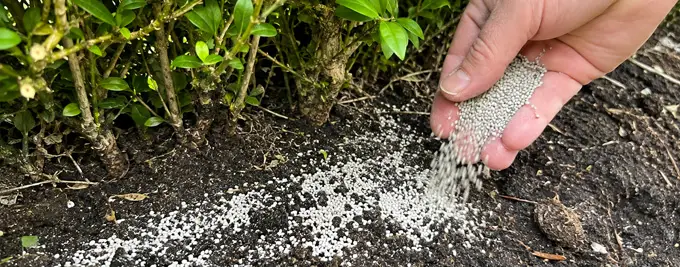
Standard RootGrow is best applied during planting, directly against the roots. Sprinkling it over the soil after a hedge has been planted is unlikely to provide reliable root contact. If planting has only just been completed, you may be able to draw back a little loose soil and apply it to exposed outer roots without lifting or disturbing the plant. Once the hedge has settled, leave it undisturbed and concentrate on watering, weed control and mulching.
Quick Facts
| Best time to apply | During planting |
|---|---|
| Correct position | Directly against living roots |
| Surface application | Not recommended |
| Recently planted hedge | Apply only if roots can be reached without lifting or disturbing the plant |
| Established hedge | Do not dig around the roots solely to add RootGrow |
| Number of applications | Normally one application at planting |
| Most important aftercare | Moisture checks, weed control and suitable mulching |
Why RootGrow works best at planting
RootGrow Mycorrhizal Fungi contains beneficial fungi that form an association with living plant roots. For that relationship to begin, the product needs to be placed directly against the root system.
This is straightforward during planting because the bare roots, root ball or pot-grown root system are exposed before the soil is replaced.
Scattering standard RootGrow granules over the finished soil surface is not the same as applying them to the roots. The granules may remain too far from the active root zone, so the application is unlikely to be as effective or reliable as correct use during planting.
What should you do if the hedge has only just been planted?
If planting was completed very recently and the soil is still loose, it may be possible to correct the omission without lifting the plant.
Carefully draw back a small amount of soil from one side until part of the outer root system can be reached. Apply RootGrow at the rate shown on the packaging so that it touches the exposed roots. Replace the soil, firm it gently and water thoroughly.
Do not excavate around the whole plant, break apart an intact root ball or pull a bare-root plant back out of the ground simply to add RootGrow. The possible benefit does not justify damaging fine roots or disturbing a plant that has already been positioned and firmed.
For a long hedge line, treat each plant individually only where direct root contact can be achieved easily. Do not pour granules along the soil surface and assume rainfall will carry them to every root system.
What if the hedge has been planted for several weeks or months?
Once a hedge has settled into the ground, it is normally better to leave the roots undisturbed.
Standard RootGrow is not intended to be used as an ordinary surface feed. Digging close to established plants solely to add it may cut new roots, disturb the surrounding soil or create air pockets around the root zone.
For a hedge that is already establishing, concentrate on the conditions that support natural root development.
Keep the complete root zone moist
Check the soil below the surface rather than judging moisture by appearance alone. The top of the ground can look damp while the original pot root ball underneath is dry.
Water thoroughly when the root zone is beginning to dry, but do not keep heavy or poorly drained soil continually saturated. The correct watering frequency will vary with rainfall, temperature, wind, soil type, plant size and exposure.
Remove competition from grass and weeds
Keep a clear strip around newly planted hedging. Grass and weeds can compete strongly for water, particularly around small bare-root and cell-grown hedge plants.
Avoid cultivating deeply close to the stems because this can damage developing roots. Hand weeding or shallow removal is usually safer around a young hedge.
Use mulch correctly
A suitable organic mulch can reduce moisture loss and suppress weed growth. Apply it over moist soil, but leave a small clear gap around the stems so damp material is not piled directly against the plants.
Mulch will not correct poor drainage or replace watering. Check the soil beneath it regularly, especially during the first growing season.
Check planting depth and drainage
A struggling hedge is not necessarily lacking fungi or fertiliser.
Check that the plants have not been buried too deeply, that root balls are not drying out beneath a damp surface and that water is not collecting around the roots. A hedge planted in compacted or waterlogged ground may continue to struggle regardless of additional planting products.
The complete HPD guide to planting and caring for a hedge explains soil preparation, planting depth, watering and establishment in more detail.
Can RootGrow be mixed with water and poured on afterwards?
Do not assume that standard RootGrow granules can be turned into a post-planting soil drench.
Some RootGrow packs include a gel system for coating bare roots before they are planted. This does not make the product a general watering treatment for hedges that are already in the ground.
Always follow the instructions supplied with the exact pack. Unless the label provides a method for established plants, use RootGrow at planting with direct root contact rather than adding it to a watering can afterwards.
Will forgetting RootGrow cause a hedge to fail?
No. RootGrow is an optional planting aid, not a guarantee and not a replacement for correct planting.
A hedge can establish successfully without it where the chosen species suits the site and the roots receive suitable soil contact, moisture, drainage and aftercare.
If RootGrow was missed, do not panic or disturb a settled hedge. Regular moisture checks, weed control and sensible mulching will usually be more useful than trying to add the product retrospectively.
Feeding should also be based on the condition of the plants, soil and time of year. It should not be applied automatically to compensate for a missed RootGrow application.
Gwynne's Grower's Tip
If a customer contacts us after planting, the first thing I ask is how long the hedge has been in the ground. If it was planted that day and the soil is still loose, it may be possible to pull a little soil back at one side and place the granules against some outer roots. Once the hedge has settled, I would not disturb it just to add RootGrow. Dry root balls, grass competition and incorrect planting depth are more common establishment problems, so check those basics first.
More General Advice
For more detailed growing advice or to view the plants available from our nursery, use the links below.
Useful Planting Essentials
Selected products that may help with planting, establishment and ongoing hedge care.
Rootgrow Mycorrhizal Fungi
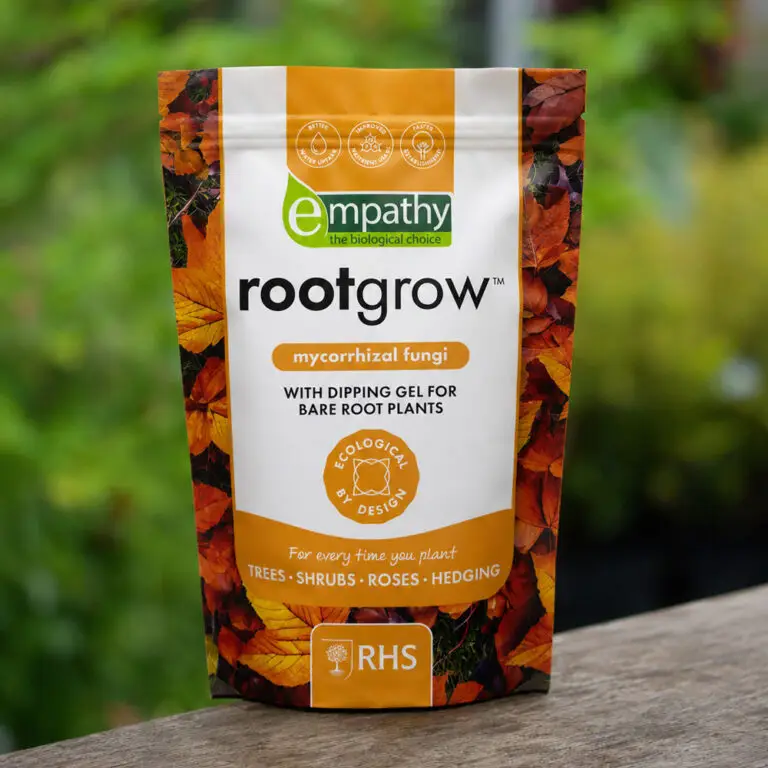
Rootgrow can be applied at planting so the product is in direct contact with the roots, where appropriate for the plant and planting method.
View product
Hedge Compost & Mulch
Compost and mulch can support soil preparation, moisture retention and weed suppression when used appropriately around new hedging.
View product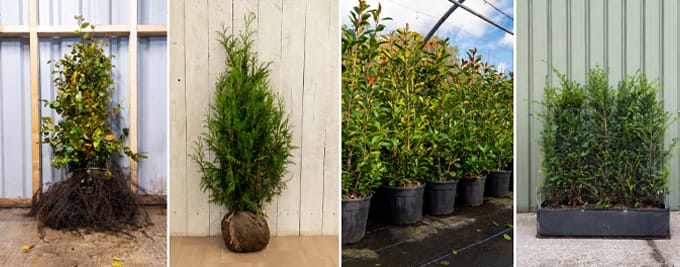
What Are the Different Hedging Root Types?
Bare root, root ball, pot-grown and instant hedging suit different budgets, planting times and levels of initial coverage. Understanding how each is…
Read answer
What Is the Best Soaker Hose for Hedges?
A well-chosen soaker hose makes it easier to water a hedge evenly without wetting the foliage or carrying a watering can along…
Read answer
What Is the Best Watering System for a Hedge?
A good hedge watering system should deliver moisture slowly and evenly along the whole planting line. The most suitable setup depends on…
Read answer
Why Is My Hedge Turning Brown?
A hedge can turn brown for several very different reasons, including dry roots, waterlogged soil, frost, wind, trimming damage or disease. The…
Read answer
Can I Replace a Box Hedge With Green Spire After Box Blight?
Green Spire is one of the closest Euonymus alternatives to a neat low Box hedge. A previous box-blight outbreak does not infect…
Read answer
When Is the Best Time to Plant Hornbeam Hedging?
Hornbeam can be planted in several different forms, and the best planting time depends mainly on whether the plants are supplied bare…
Read answer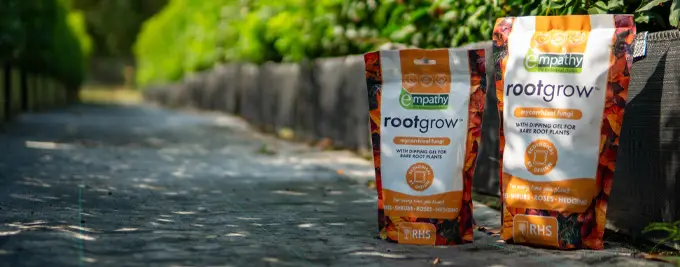
How Much Mycorrhizal Fungi Should I Use?
The correct amount of mycorrhizal fungi depends on the size and root type of the plants being treated. Calculating the quantity before…
Read answer
How Long Can Bare-Root Plants Be Stored?
Bare-root plants are vulnerable once they have been lifted because their exposed roots can dry out quickly. Correct temporary storage can protect…
Read answer