
Can Dogs Eat Sloe Berries From a Blackthorn Hedge?
A Blackthorn hedge can be perfectly manageable in a dog-friendly garden, but whole sloes are not something to offer as a treat. The stone and the hedge's sharp thorns are the main reasons for caution.
Quick Answer
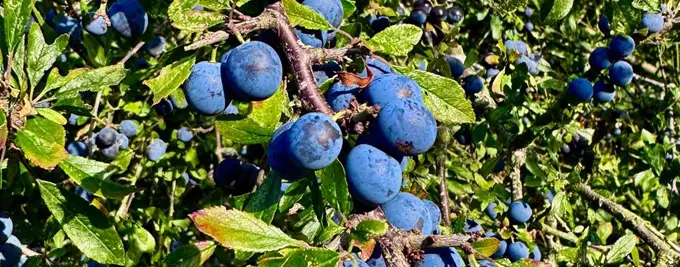
Do not encourage a dog to eat whole sloe berries. The ripe flesh is not the main concern, but the hard stone contains a kernel and, as with other Prunus species, damaged or chewed kernels can release cyanogenic compounds. Stones can also present a choking or obstruction risk, while large amounts of fruit may upset the stomach. If your dog has chewed stones, stems or leaves, swallowed several fruits, or becomes unwell, contact your vet promptly.
Quick Facts
| Recommended as a dog treat? | No |
|---|---|
| Main fruit concern | Hard stone and kernel |
| Other possible issue | Stomach upset if fruit is eaten |
| Hedge hazard | Sharp thorns |
| If concerned | Contact a vet and explain what was eaten |
Why should dogs not be encouraged to eat sloes?
A ripe sloe has edible flesh, but dogs usually swallow fruit differently from people. A whole sloe includes a hard stone containing a kernel. Blackthorn is a Prunus species, and kernels from this plant group can contain cyanogenic compounds, particularly if the stone is crushed or chewed.
The stone itself can also be a physical problem if swallowed. For that reason, whole sloes are not a sensible dog treat even though people use the ripe flesh in food and drink.
What if a dog eats one or more sloe berries?
Remove access to any remaining fruit and check whether stones appear to have been chewed. If your dog has eaten several whole fruits, chewed or crushed stones, eaten leaves or stems, or develops any unusual symptoms, contact your veterinary practice promptly for advice. Give them as much detail as you can about what was eaten and roughly when.
Do not rely on a home remedy or try to make a dog vomit unless a veterinary professional specifically tells you to do so.
Can Blackthorn itself be a problem for dogs?
The hedge’s thorns are another practical consideration. Blackthorn develops hard, sharp spines that can puncture paws, skin and eyes if a dog pushes through the hedge. Keep paths and regularly used areas clear of thorny prunings, and give the hedge enough room so new growth is not forced into a narrow route.
Can you still grow Blackthorn in a dog-friendly garden?
Yes, with sensible positioning and management. A Blackthorn hedge is commonly used for boundaries and wildlife planting. Keeping it away from tight play areas, maintaining the path side of the hedge and clearing cut thorny branches promptly reduces avoidable contact.
Our Blackthorn hedge care guide covers pruning, spreading suckers and the plant’s natural growth habit.

Gwynne's Grower's Tip
If Blackthorn is going beside a garden used by dogs, give the hedge a proper margin rather than planting it hard against the edge of a narrow path. That makes routine pruning much easier and reduces the chance of thorny shoots growing into the route. After cutting Blackthorn, we would also clear every thorny offcut rather than leaving small pieces hidden in grass.
More Blackthorn Advice
For more detailed growing advice or to view the plants available from our nursery, use the links below.
Related Products
Products from our nursery that are relevant to this advice.

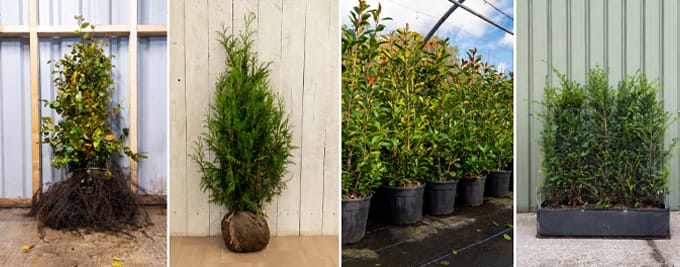
What Are the Different Hedging Root Types?
Bare root, root ball, pot-grown and instant hedging suit different budgets, planting times and levels of initial coverage. Understanding how each is…
Read answer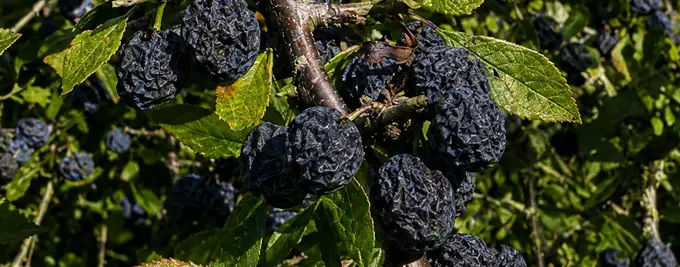
Why Are the Sloes on My Blackthorn Shrivelled or Distorted?
Not every shrivelled sloe has the same cause. Strong distortion, elongation and hollow fruit are characteristic signs of pocket plum, while simple…
Read answer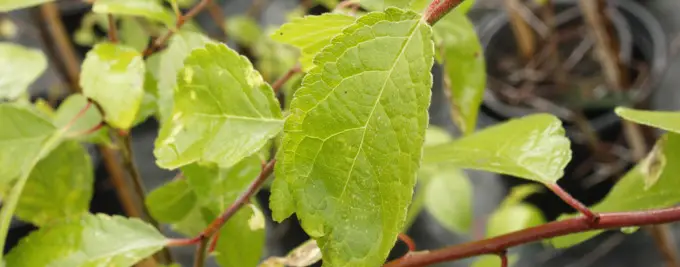
Why Are My Blackthorn Leaves Turning Silver?
Silvery foliage on Blackthorn deserves a closer look because true silver leaf is a recognised Prunus disease. Similar-looking silvering can also follow…
Read answer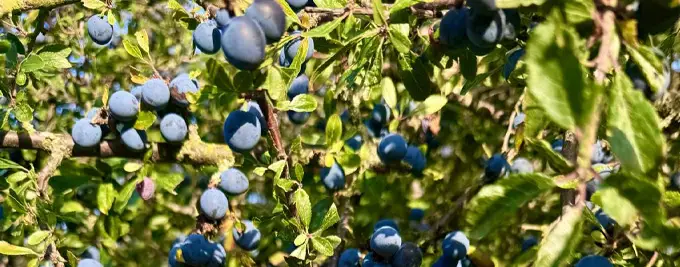
Why Doesn’t My Blackthorn Hedge Produce Many Sloes?
A healthy Blackthorn hedge does not produce the same crop of sloes every year. The first question is whether the hedge flowered…
Read answer
Is Euonymus Green Spire Poisonous to Dogs and Cats?
Green Spire is an attractive evergreen hedge, but it is not a plant to treat as edible. Pet owners should prevent dogs…
Read answer
Are Laurel Berries Poisonous?
Laurel hedges can produce attractive dark berries after flowering, but the name "Laurel" covers several different plants. Their fruit is not identical,…
Read answer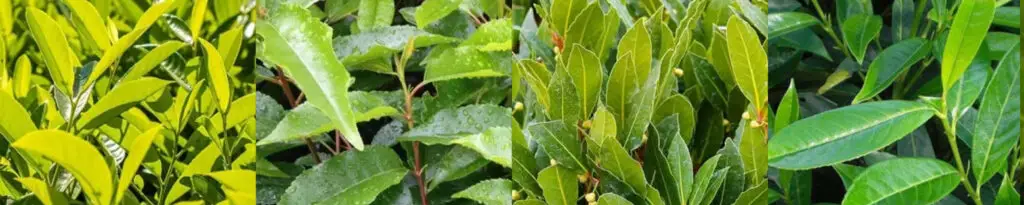
Is Laurel Hedging Poisonous?
Laurel is one of the UK's most popular evergreen hedges, but not every plant called Laurel has the same safety profile. This…
Read answer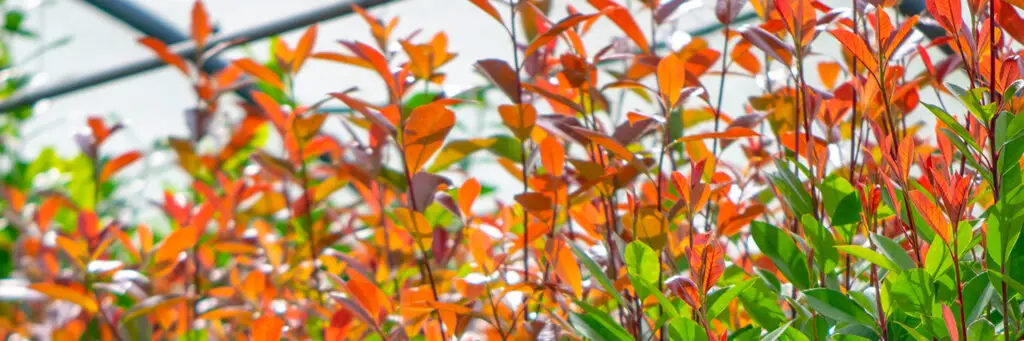
Is Photinia Red Robin Poisonous to Dogs?
There is conflicting gardening advice about Photinia Red Robin and pet safety. Veterinary toxicology sources support a cautious approach because Photinia foliage…
Read answer