
What Is the Best Time of Year to Plant a Yew Hedge?
Planting Yew at the right time reduces stress and makes first-season watering easier. The most suitable planting window depends on whether you are buying bare-root, root-balled, pot-grown or instant Yew hedging.
Quick Answer
The best time to plant a Yew hedge in the UK is during autumn or early spring, when temperatures are moderate and the soil is naturally moist. Bare-root Yew should normally be planted from November to March or early April, while root-balled plants are also supplied during the cooler dormant season. Pot-grown and instant Yew can be planted during most of the year, but summer planting requires reliable watering. Avoid planting in frozen, waterlogged or extremely dry ground.
Quick Facts
| Best general planting period | Autumn to early spring |
|---|---|
| Bare-root Yew | Normally November to March or early April |
| Root-balled Yew | Autumn to early spring |
| Pot-grown Yew | Most of the year, with autumn and spring easiest |
| Instant Yew | Most of the year where reliable irrigation is available |
| Conditions to avoid | Frozen, waterlogged, extremely dry or drought-baked soil |
| Most important site requirement | Moist but well-drained soil |
Which months are best for planting a Yew hedge?
For most UK gardens, the easiest times to plant Yew are during autumn and early spring. Conditions are normally cooler, the soil is less likely to dry rapidly and new plants usually require less intensive watering than they would during warm summer weather.
October and November are particularly useful for pot-grown, root-balled and instant Yew, provided the ground is neither saturated nor frozen. March is another good planting month because plants can begin establishing before warmer and drier weather arrives.
The condition of the soil on the day is more important than following a particular date on the calendar. A mild winter day with workable, free-draining soil can be suitable, while a wet autumn day with standing water in the planting trench is not.
Does the best planting time depend on the Yew root type?
Yes. The way the Yew plants have been grown and supplied determines how flexible the planting season will be.
Bare-root Yew
Bare-root Yew is lifted from the field while dormant and supplied without a pot or large quantity of soil around its roots. It should normally be planted between November and March or early April, depending on the weather and seasonal availability.
Prepare the planting area before the plants arrive. Keep the roots wrapped, cool and damp until planting, and do not leave them exposed beside the trench while you complete other work.
Bare-root plants are often the most economical choice for a long hedge, but they cannot be stored as flexibly as pot-grown plants. The current English Yew hedging product page shows the available root types, sizes and seasonal options.
Root-balled Yew
Root-balled Yew plants are field grown and lifted with soil retained around the roots. They are normally available from autumn until early spring.
Plant root-balled Yew promptly after delivery and keep the soil ball intact. Larger specimens can be heavy, so the planting trench, access route and any lifting equipment should be ready before the plants arrive.
Autumn is often a practical time for root-balled Yew because the soil is still workable and regular rainfall can reduce the watering burden. However, the planting area must drain properly. Yew should not be planted into a trench that remains filled with water.
Pot-grown Yew
Pot-grown Yew can be planted during most of the year because its root system remains protected within the compost.
Autumn and spring are still the easiest seasons. Summer planting is possible, but the original pot compost and surrounding soil must be checked regularly because they can dry at different rates.
Water every pot thoroughly before removing it. After planting, water deeply enough to moisten both the original root ball and the prepared soil around it.
Instant Yew hedging
Instant Yew hedging can be installed during much of the year, but autumn and spring reduce the risk of heat and drought stress.
The connected units contain a larger mass of foliage than small individual plants, so they need careful trench preparation and considerably more establishment water. On long runs, a correctly installed hedge irrigation system can make watering more consistent.
Avoid installing instant hedging during extreme heat unless water is available immediately and the hedge can be monitored closely.
Is autumn or spring better for planting Yew?
Both seasons can produce good results.
Autumn planting gives Yew more time in the ground before its first summer. The soil is often naturally moist, and lower temperatures reduce the speed at which the root zone dries.
Spring planting is a good alternative where the soil is waterlogged during winter or where autumn ground preparation was not possible. However, a Yew hedge planted in spring will reach its first summer sooner, so watering arrangements should be ready before dry weather begins.
On heavy clay, it may be better to wait for a workable spring planting window than to force plants into saturated winter soil.
When should planting be postponed?
Delay planting if:
- The ground is frozen solid.
- Water is standing in the trench or planting holes.
- Wet clay smears and compacts when dug.
- The soil is extremely dry and cannot be watered properly.
- Severe heat or drought is forecast.
- Bare-root or root-balled plants cannot be planted and watered promptly.
- Access conditions make it unsafe to move larger plants.
Yew tolerates many soil types, but it is particularly sensitive to prolonged waterlogging. If the planting line remains wet after rain, improve the wider area, install suitable drainage or form a broad raised planting ridge. Do not simply fill a small wet hole with compost, as this can create a sump around the roots.
Can a Yew hedge be planted during summer?
Pot-grown and instant Yew can be planted during summer, but it is not usually the easiest option.
Summer-planted Yew should be watered deeply immediately after planting and checked frequently during dry or windy conditions. Large plants, exposed sites, sandy soil and planting beside walls or paving can all increase water demand.
Do not rely only on the appearance of the soil surface. Check the moisture within the original root ball as well as the surrounding ground. It is possible for the garden soil to appear damp while the pot compost around the roots remains dry.
Where regular watering cannot be guaranteed, wait until autumn rather than risk planting during hot weather.
What should you do if bad weather delays planting?
Bare-root Yew should be kept wrapped, cool and damp and planted as soon as suitable ground conditions return. Do not allow the roots to dry out.
Keep root-balled plants upright with their soil balls protected. Do not lift or drag them by the stems.
Pot-grown Yew can normally be held for longer, provided the pots are kept upright and watered when required. Check plants daily during warm or windy weather.
For detailed information on planting depth, drainage, spacing and aftercare, use the complete Yew hedge care guide.
Choosing Yew plants for your planting date
Choose the Yew format that suits both your planting date and the level of aftercare available.
Bare-root plants are well suited to economical winter planting. Root-balled Yew provides more immediate height during the cooler planting season. Pot-grown plants provide greater flexibility, while instant Yew is suited to projects requiring an established appearance from the day of planting.
The Yew hedging range includes the current sizes and root types available from Hedging Plants Direct.
Gwynne's Grower's Tip
The date on the calendar matters less than the condition of the soil on the day. A mild November day with open, workable soil is much better than forcing Yew into saturated clay in January. For a long hedge, prepare the trench and watering system before delivery, then plant in manageable sections. Check each root ball after watering because the surrounding soil can be damp while the original pot compost remains dry. If the trench is holding water, stop and improve the drainage or raise the planting line rather than hoping the Yew will grow through it.
More Yew Advice
For more detailed growing advice or to view the plants available from our nursery, use the links below.
Related Products
Products from our nursery that are relevant to this advice.


Useful Planting Essentials
Selected products that may help with planting, establishment and ongoing hedge care.
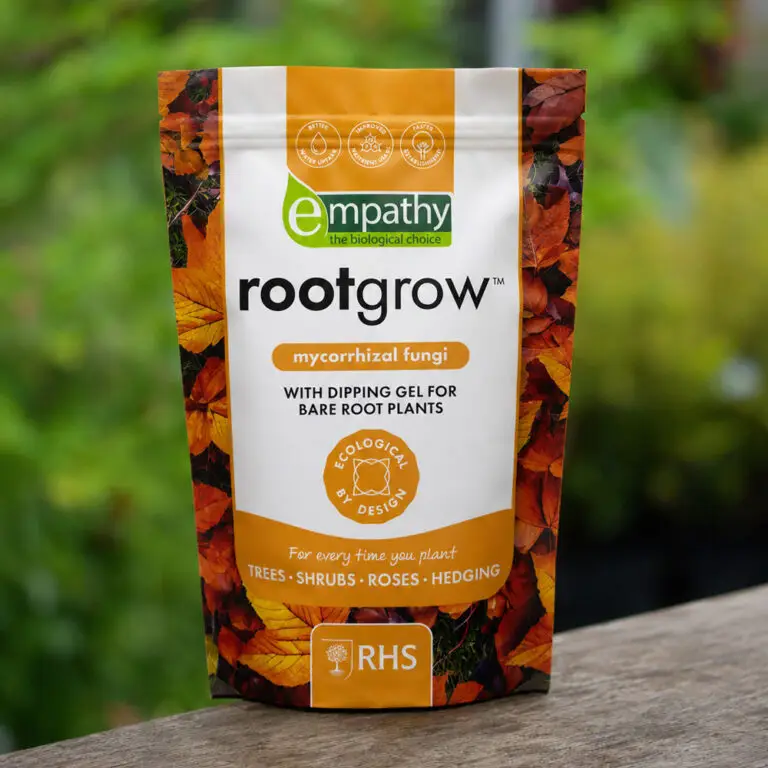
Rootgrow Mycorrhizal Fungi
Rootgrow can be applied at planting so the product is in direct contact with the roots, where appropriate for the plant and planting method.
View product
Hedge Feed
Hedge Feed provides balanced nutrition where established hedging would benefit from feeding as part of normal care.
View product
Hedge Irrigation
A hedge irrigation system can make it easier to water a new hedge consistently, particularly on longer runs and during dry weather.
View product
Hedge Compost & Mulch
Compost and mulch can support soil preparation, moisture retention and weed suppression when used appropriately around new hedging.
View product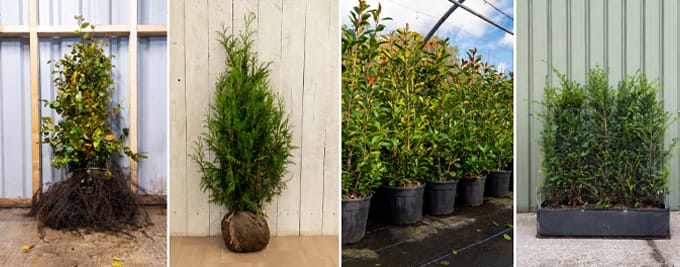
What Are the Different Hedging Root Types?
Bare root, root ball, pot-grown and instant hedging suit different budgets, planting times and levels of initial coverage. Understanding how each is…
Read answer
Is Taxus baccata Poisonous to Dogs and Livestock?
Yew is a familiar evergreen hedge, but its foliage, bark and seeds require particular care around animals. This guide explains the practical…
Read answerWhat Size Yew Plants Should I Choose for a Mature Hedge?
Choosing taller Yew plants can give a new garden hedge immediate structure and privacy, but plant height is only part of the…
Read answer
How Fast Does a Yew Hedge Grow Annually?
English Yew is often described as slow growing, but a healthy, established hedge can still make useful progress each year. Its actual…
Read answer
Can I Replace a Box Hedge With Green Spire After Box Blight?
Green Spire is one of the closest Euonymus alternatives to a neat low Box hedge. A previous box-blight outbreak does not infect…
Read answer
When Is the Best Time to Plant Hornbeam Hedging?
Hornbeam can be planted in several different forms, and the best planting time depends mainly on whether the plants are supplied bare…
Read answer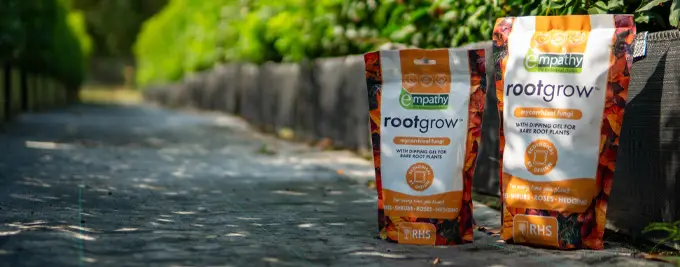
How Much Mycorrhizal Fungi Should I Use?
The correct amount of mycorrhizal fungi depends on the size and root type of the plants being treated. Calculating the quantity before…
Read answer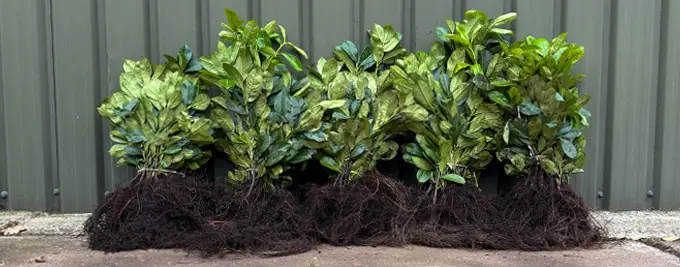
How Long Can Bare-Root Plants Be Stored?
Bare-root plants are vulnerable once they have been lifted because their exposed roots can dry out quickly. Correct temporary storage can protect…
Read answer