
Are Holly Berries Poisonous to People and Pets?
English Holly (Ilex aquifolium) is valued for its evergreen foliage and bright winter berries, but those berries are ornamental rather than edible. Gardeners with young children, dogs or cats should know the practical risks and how to manage fallen fruit safely.
Quick Answer
Yes. English Holly (Ilex aquifolium) berries should not be eaten by people, dogs or cats. Swallowing them can cause digestive upset, including nausea, vomiting and diarrhoea, while pets can also injure their mouths by chewing the spiny leaves. Keep berries and cut Holly out of reach of young children and pets, clear fallen fruit where practical, and seek medical or veterinary advice if ingestion is suspected.
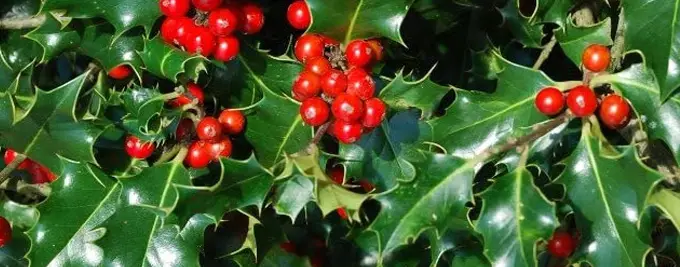
Quick Facts
| Botanical name | Ilex aquifolium |
|---|---|
| Are Holly berries edible? | No. They are ornamental and should not be eaten |
| Risk to people | Can cause nausea, vomiting, stomach upset and diarrhoea if eaten |
| Risk to dogs and cats | Harmful if eaten; vomiting and diarrhoea may occur |
| Holly leaves | Spiny leaves can also cause painful injuries to the mouth and gums of pets |
| Wildlife value | Holly berries provide winter food for many wild birds |
| Main precaution | Keep fallen berries and cut Holly away from young children and pets |
Why are Holly berries considered poisonous?
The bright red berries of English Holly, Ilex aquifolium, are ornamental fruits and are not suitable for people or pets to eat. The Royal Horticultural Society lists common Holly fruit as potentially harmful and specifically describes it as ornamental rather than edible.
Holly contains plant compounds including saponins. If berries or other parts of the plant are swallowed, these compounds can irritate the digestive system. The most commonly reported effects are nausea, vomiting, abdominal discomfort and diarrhoea.
There is no useful number of berries that we would describe as a “safe amount”. The effect can depend on how much has been eaten, the age and size of the person or animal, and individual sensitivity. The sensible approach is simply to treat Holly berries as not edible.
What happens if a person eats Holly berries?
The main concern is usually digestive upset. Someone who has swallowed Holly berries may develop nausea, vomiting, stomach discomfort or diarrhoea. Repeated vomiting or diarrhoea can also cause dehydration.
Young children deserve particular attention because the berries are small, brightly coloured and easy to pick from a low branch or from the ground beneath a hedge.
If a child or adult has eaten Holly berries, remove any remaining berries from their mouth and seek appropriate medical advice, particularly if the amount eaten is uncertain or symptoms develop.
It is better not to rely on a particular number of berries before taking action. A small child, for example, cannot be assessed in the same way as a healthy adult.
Are Holly berries poisonous to dogs and cats?
Yes. Holly species, including English Holly, are considered harmful to companion animals if eaten.
Dogs and cats that chew or swallow Holly berries or foliage can develop nausea, vomiting and diarrhoea. The prickly foliage creates an additional problem because the sharp leaves can cause painful injuries to a pet’s lips and gums.
Dogs that habitually scavenge fallen fruit are likely to need more management than pets that show no interest in plants. During the berrying season, regularly picking up fruit from lawns, paths and other areas used by pets is a simple precaution.
If you believe your dog or cat has eaten Holly, contact your vet for advice. Tell them which plant was eaten, approximately how much may have been swallowed and whether your pet is showing any symptoms.
Are Holly leaves poisonous too?
The berries tend to attract the most attention because of their colour, but they are not the only part of the plant that pets should be discouraged from chewing.
Holly foliage contains the same types of irritating plant compounds, and the physical structure of the leaf adds another risk. Mature English Holly leaves can have very sharp spines.
For people, the more common problem when handling a Holly hedge is being scratched or punctured rather than eating the foliage. Gloves, long sleeves and eye protection are sensible when pruning or clearing Holly cuttings. The RHS also recommends protective equipment when handling the plant.
Why can birds eat Holly berries?
This is where Holly can sometimes cause confusion.
A plant can be valuable to wildlife without being suitable for people or domestic pets to eat. Holly berries are an important winter food source for a range of wild birds, while the dense evergreen growth also provides useful shelter. Hedging Plants Direct’s Holly guidance specifically recognises the wildlife value of the berries and foliage.
You should therefore not assume that a berry is safe for a person, dog or cat simply because you have seen a blackbird or thrush eating it.
This distinction is useful when choosing a hedge: wildlife-friendly and pet-edible do not mean the same thing.
How can I make a Holly hedge safer around children and pets?
You do not necessarily need to avoid Holly completely, but sensible positioning and routine garden maintenance can reduce the chance of accidental ingestion.
Practical precautions include:
- Teach children not to eat berries from garden plants unless an adult has positively identified them as edible.
- Pick up fallen Holly berries from patios, play areas and frequently used lawns where young children or scavenging pets have easy access.
- Keep freshly cut Holly branches and Christmas decorations containing berries out of reach of children and pets.
- Check beneath indoor Holly decorations because berries can loosen and fall as cut foliage dries.
- Prevent dogs that regularly eat garden plants or fallen fruit from having unsupervised access to berry-covered branches.
- Wear gloves and suitable clothing when pruning Holly because of its spiny leaves.
- Dispose of berry-laden prunings where children and pets cannot investigate them.
Cut Holly deserves particular attention indoors. Once branches begin to dry, berries can detach and end up on floors where they are much easier for a toddler or pet to find.
Do all Holly hedges produce poisonous berries?
Not every English Holly plant will produce berries.
Common Holly plants are normally either male or female. Both can produce flowers, but berries form only on female plants after successful pollination. A hedge containing male plants may therefore produce few or no berries, while a mixture of male and female plants can fruit much more freely. HPD’s current Holly care guide explains the male and female flowering and pollination process in detail.
The absence of berries does not make the foliage edible, however. Pets should still be discouraged from chewing Holly leaves, and gloves are advisable when maintaining the hedge.
Should I avoid planting Holly if I have children or pets?
Not automatically.
English Holly is widely used as a native evergreen boundary hedge and provides dense screening, security and valuable wildlife habitat. The question is whether its characteristics suit the particular garden and the people or animals using it.
For a household with a dog that constantly scavenges berries or a play area used by very young children, you may decide that a non-berrying hedge is easier to manage. In other gardens, simply clearing fallen berries and keeping children and pets from eating the plant may be sufficient.
The important point is to choose Holly knowing that its berries are ornamental, not edible, rather than assuming that a native wildlife hedge must also be safe to eat.

Gwynne's Grower's Tip
Where Holly is planted alongside a patio, path, family lawn or dog run, I would think about the berries that fall from the hedge as well as those still on the branches. Fallen fruit can collect beneath mature plants or roll onto hard surfaces where a dog or small child can find it more easily. If this is a concern, keep the bottom of the hedge reasonably accessible so you can rake or sweep fallen berries up. You can still leave plenty of fruit higher in the hedge for wild birds.
More Holly Advice
For more detailed growing advice or to view the plants available from our nursery, use the links below.
Related Products
Products from our nursery that are relevant to this advice.


What Are the Different Hedging Root Types?
Bare root, root ball, pot-grown and instant hedging suit different budgets, planting times and levels of initial coverage. Understanding how each is…
Read answer
Do Deer and Rabbits Eat Holly Hedging?
Holly's tough, spiny leaves can give the impression that deer and rabbits will leave it alone. In practice, young English Holly can…
Read answer
What Is Holly Transplant Shock and How Long Does It Last?
A newly planted or moved Holly can temporarily lose its glossy appearance, drop leaves or make little new growth while its roots…
Read answer
Can Holly Be Grown as a Hedge in Pots or Containers?
A row of English Holly can create evergreen structure and screening on patios, courtyards and other places where planting directly into the…
Read answer
Is Euonymus Green Spire Poisonous to Dogs and Cats?
Green Spire is an attractive evergreen hedge, but it is not a plant to treat as edible. Pet owners should prevent dogs…
Read answer
Are Laurel Berries Poisonous?
Laurel hedges can produce attractive dark berries after flowering, but the name "Laurel" covers several different plants. Their fruit is not identical,…
Read answer
Is Laurel Hedging Poisonous?
Laurel is one of the UK's most popular evergreen hedges, but not every plant called Laurel has the same safety profile. This…
Read answer
Is Photinia Red Robin Poisonous to Dogs?
There is conflicting gardening advice about Photinia Red Robin and pet safety. Veterinary toxicology sources support a cautious approach because Photinia foliage…
Read answer