
What Does a Hawthorn Hedge Look Like in Winter?
Hawthorn changes noticeably as autumn turns to winter because it is a deciduous hedge. Understanding its normal winter appearance helps when deciding how much seasonal screening you need and whether a leafless hedge is healthy or simply dormant.
Quick Answer
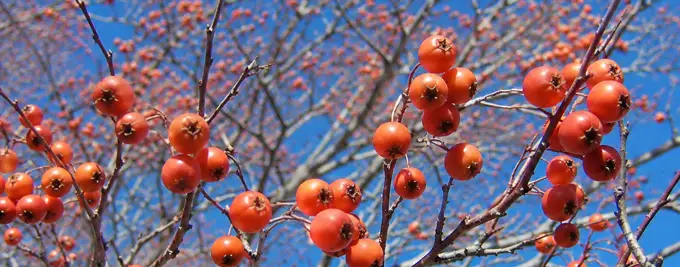
A Hawthorn hedge is normally leafless for much of the winter because Common Hawthorn is deciduous. After the leaves turn yellow and fall, the hedge shows a dense grey-brown framework of thorny branches and twigs. Some red haws may remain, but this varies with pruning, weather and wildlife. A mature hedge still forms a boundary, although winter privacy is more open than with an evergreen.
Quick Facts
| Botanical name | Crataegus monogyna |
|---|---|
| Foliage | Deciduous |
| Autumn colour | Soft shades of yellow, gold, and bronze |
| Branch appearance | Dense bare woody and thorny branch framework |
| Berries | Some red haws may persist into colder weather |
| Winter privacy | Useful structure, but not a solid evergreen screen |
Hawthorn is leafless for much of the winter
Common Hawthorn (Crataegus monogyna) is deciduous. Its lobed green leaves usually colour in autumn and then fall, leaving a visible network of woody, thorn-bearing stems until new foliage opens in spring.
A mature hedge can still look substantial because years of branching create a dense framework. It should not, however, be expected to look like an evergreen hedge once the leaves have dropped.
What colour is a Hawthorn hedge in winter?
After the yellowing autumn foliage has fallen, the overall impression is mainly grey-brown to brown woody growth. Younger twigs and older branches can vary in tone, while the thorns and fine branch structure become much more obvious without leaves.
Does Hawthorn keep its red berries in winter?
Some red haws can remain into the colder part of the year, particularly where a hedge has been allowed to flower and fruit freely. The exact amount varies because birds and other wildlife feed on the fruit, weather knocks berries from the branches and pruning can remove flowering or fruiting shoots.
Does a Hawthorn hedge still provide privacy in winter?
A well-branched Hawthorn hedge still interrupts views and forms a strong physical boundary in winter, but the screening becomes more open after leaf fall. It does not provide the same solid leafy privacy as an evergreen hedge.
If year-round visual screening is the main requirement, this seasonal difference is worth considering before planting. If a traditional native boundary, thorny structure and wildlife value are more important, the winter branch framework can still be very useful.
How can I tell whether leafless Hawthorn is healthy?
Leaflessness by itself is not a sign that Hawthorn has died. A dormant plant should still have healthy buds and living young shoots. New foliage normally returns as the plant comes back into active growth in spring.
For full seasonal care, watering, pruning and problem diagnosis, use our Hawthorn Hedge Care Guide. For available sizes and root types, see the Hawthorn hedging range.
Gwynne's Grower's Tip
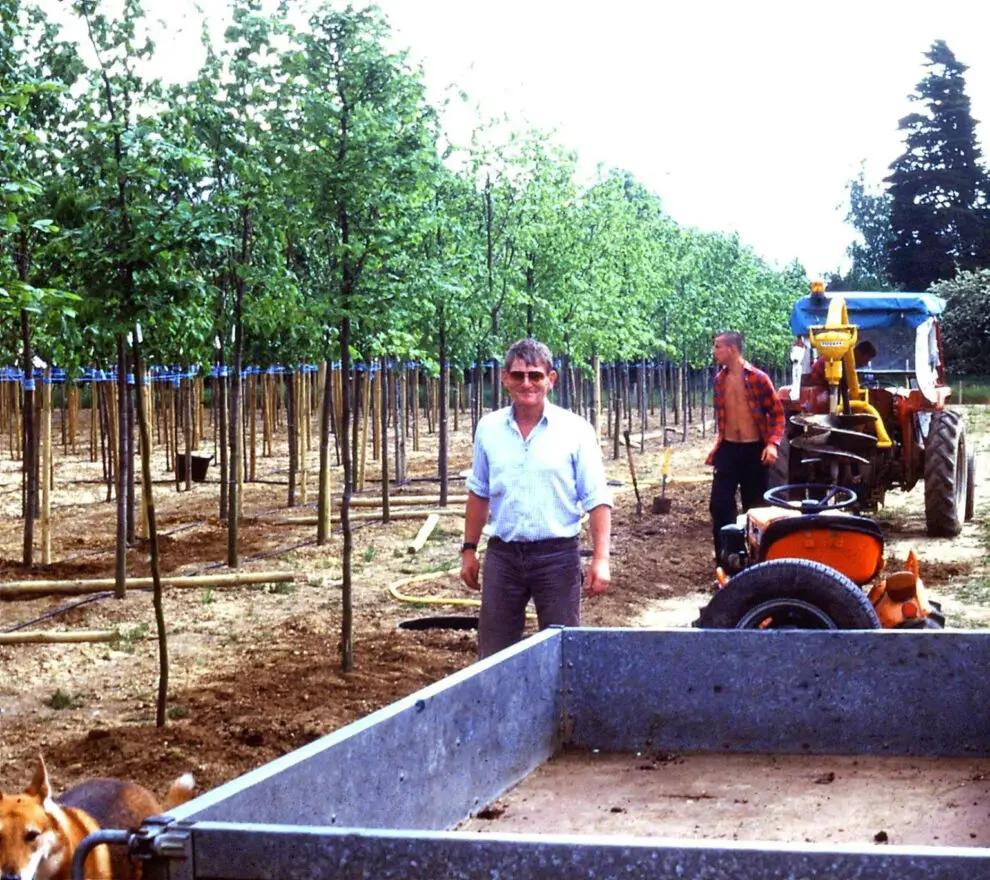
Winter is actually a useful time to judge the structure of a Hawthorn hedge. Once the leaves are off, you can see whether it has a dense network of branches from low down or whether the base has become open and leggy. A well-formed hedge can still look surprisingly substantial without foliage. I would not assume a newly planted Hawthorn is dead simply because it is bare in winter. Check the buds and young wood and allow it time to break dormancy in spring.
More Hawthorn Advice
For more detailed growing advice or to view the plants available from our nursery, use the links below.
Related Products
Products from our nursery that are relevant to this advice.

What Are the Different Hedging Root Types?
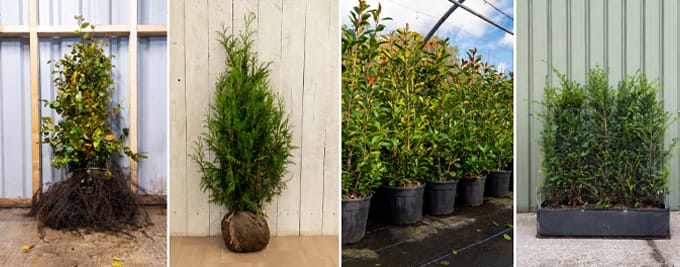
Bare root, root ball, pot-grown and instant hedging suit different budgets, planting times and levels of initial coverage. Understanding how each is…
Read answer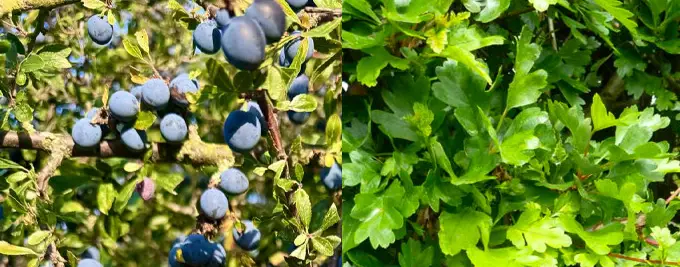
Hawthorn vs Blackthorn: What’s the Difference for Hedging?
Hawthorn and Blackthorn are both thorny native deciduous hedging plants, but they are not interchangeable. Their flowering sequence, fruit, growth habit and…
Read answerCan You Eat Hawthorn Berries?
The red fruits on Common Hawthorn are known as haws and have a long history of use in hedgerow recipes. The important…
Read answer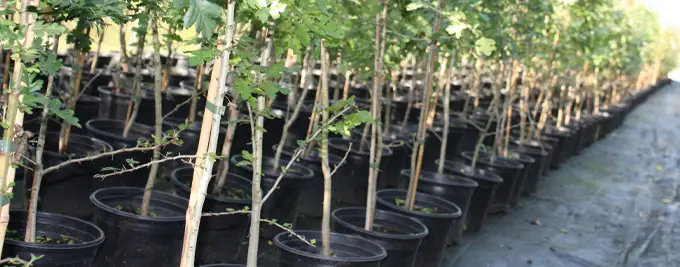
Can Hawthorn Be Grown in a Pot?
Common Hawthorn can be kept in a container, but it is naturally a vigorous shrub or small tree rather than a compact…
Read answer
Euonymus Green Spire vs Jean Hugues: Which Hedge to Buy?
Green Spire and Jean Hugues are both dark green Euonymus japonicus varieties and both make excellent Box alternatives. The real difference is…
Read answer
Are Euonymus Green Spire and Green Rocket the Same Plant?
The names Green Spire and Green Rocket are often used interchangeably by nurseries, which makes buying confusing. Current authoritative plant databases do…
Read answer
Is Hornbeam Evergreen? What Does It Look Like in Winter?
Hornbeam is valued for its fresh green summer foliage, warm autumn colour and strong winter structure. Understanding how its leaves behave after…
Read answer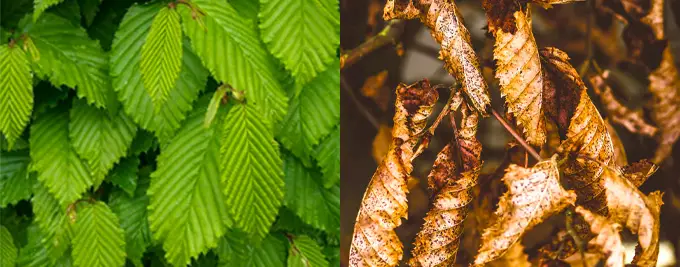
What Do Hornbeam Leaves Look Like?
Hornbeam has distinctive textured foliage that changes noticeably through the seasons. Learning to recognise the leaf shape, veins and toothed edges can…
Read answer