
How Fast Does a Yew Hedge Grow Annually?
English Yew is often described as slow growing, but a healthy, established hedge can still make useful progress each year. Its actual rate depends on establishment, drainage, moisture, light, root competition and how it is pruned.
Quick Answer
An established Yew hedge normally grows by approximately 20-30cm per year, although annual extension of up to 40cm is possible in favourable conditions. Newly planted Yew may grow much more slowly during its first season while the root system establishes. Well-drained soil, consistent moisture, good weed control and sufficient light support stronger growth, but annual figures should always be treated as estimates rather than guarantees.
Quick Facts
| Botanical name | Taxus baccata |
|---|---|
| Typical annual growth | Approximately 20-30cm once established |
| Possible growth in favourable conditions | Up to approximately 40cm per year |
| First-year growth | Often slower while the roots establish |
| Growth habit | Slow to moderate evergreen |
| Suitable positions | Full sun, partial shade or shade |
| Most important requirements | Good drainage and consistent moisture |
| Main causes of weak growth | Drought, waterlogging, weeds, compaction and root competition |
What annual growth should you expect from a Yew hedge?
For planning purposes, allow for approximately 20-30cm of new growth each year from a healthy, established English Yew hedge. In particularly favourable conditions, some plants may extend by as much as 40cm during a good growing season.
This is the length of new shoots rather than a guaranteed increase in the finished height of the hedge. Some growth may be removed during trimming, especially where the hedge is being trained into a dense, formal shape.
A newly planted hedge may also make less visible growth during its first season. The plant must recover from lifting, transport and planting before it can support strong new shoots. This is particularly noticeable with bare-root and larger root-balled Yew plants.
Why does the growth rate of Yew vary?
Annual growth is affected by the condition of the roots and the planting site. Two Yew hedges planted at the same height can develop at noticeably different rates if their soil, watering or levels of competition differ.
Establishment after planting
Newly planted Yew often directs energy into root development before producing substantial growth above ground. Limited first-year extension does not necessarily mean the hedge has failed.
Check that the plants have healthy buds, firm stems and suitable moisture at root depth. Allow the hedge a complete growing season before judging its long-term performance, provided there are no signs of serious decline.
Soil drainage
Yew needs moisture but does not tolerate soil that remains saturated. Persistently wet ground restricts oxygen around the roots and can lead to yellow foliage, weak growth and root disease.
Improving drainage has a greater effect than applying additional fertiliser to a hedge growing in waterlogged soil. Avoid planting Yew in a trench that repeatedly fills with water after rainfall.
Water availability
Recently planted Yew should be watered deeply whenever the root zone begins to dry during its first two growing seasons.
The soil surface alone is not a reliable guide. Pot-grown compost and root balls can remain dry even when the surrounding ground appears damp. Heavy clay can cause the opposite problem, appearing dry at the surface while remaining saturated lower down.
A properly installed hedge irrigation system can help maintain even moisture along long hedge runs, but it should still be adjusted for rainfall, soil type and the season.
Sunlight and root competition
Yew grows in full sun, partial shade and deeper shade. However, growth may be slower beneath established trees where the plants must compete for both moisture and nutrients.
Deep, dry shade is more limiting than shade alone. A shaded hedge with prepared soil and reliable watering can perform better than a sunny hedge growing in compacted, drought-prone ground.
Grass and weed competition
Grass growing against the base of a young hedge competes strongly for moisture and nutrients. Maintain a clear planting strip along the hedge rather than allowing lawn or vigorous weeds to reach the stems.
An organic mulch can help retain moisture and suppress weed growth. Keep the mulch slightly away from the main stems and avoid building it into a deep mound around the base of the plants.
Pruning and retained height
Regular formative pruning encourages branching and produces a denser hedge. During the first few years, shorten long side shoots while allowing the leading shoots to continue until the hedge approaches its intended height.
Once the required height has been reached, the annual extension can be trimmed back to maintain the hedge. A formal Yew hedge may therefore produce 20-30cm of new shoots without becoming 20-30cm taller each year.
How long will a Yew hedge take to reach the required height?
The simplest estimate is to subtract the starting height from the target height and divide the difference by an expected annual growth rate of 20-30cm.
| Starting height | Target height | Height to gain | Approximate growing time |
| 60cm | 150cm | 90cm | Around 3-5 growing seasons |
| 100cm | 180cm | 80cm | Around 3-4 growing seasons |
| 150cm | 200cm | 50cm | Around 2-3 growing seasons |
These estimates assume that the hedge establishes successfully and that most of the leading growth is retained. Allow additional time where the site is shaded, dry, exposed or affected by root competition. First-year establishment and regular trimming can also extend the timescale.
Customers who need immediate height can begin with larger root-balled plants or instant hedging rather than relying entirely on annual growth. The best option will depend on the required coverage, planting access, budget and the amount of establishment watering available.
How can you encourage steady Yew growth?
Healthy growth comes primarily from suitable root conditions rather than attempts to force the hedge with fertiliser.
Prepare the complete planting strip, loosen compacted ground and plant at the correct depth. Water thoroughly after planting and continue checking the root zone during dry periods. Keep the planting strip free from grass and weeds, and apply an organic mulch where appropriate.
Yew does not normally need frequent feeding in fertile garden soil. Where an established hedge remains weak, check drainage, moisture, planting depth and competition before applying a balanced hedge feed in spring. Feeding will not correct waterlogging, damaged roots or severe drought stress.
The complete Yew Hedging Care Guide explains planting, spacing, watering, feeding and pruning in greater detail.
Is Yew too slow for a privacy hedge?
Yew is slower than vigorous screening plants such as Cherry Laurel or Leylandii, so it is not always the quickest way to create a tall screen from small plants.
Its slower, manageable growth is also one of its main advantages. Yew forms dense evergreen foliage, responds well to regular clipping and can be maintained as a formal hedge for many years. Unlike most conifers, it can also produce new growth from old wood when carefully renovated.
For a new boundary, consider both the annual growth rate and the starting size of the plants. A larger starting plant can provide more immediate structure without changing the natural annual growth rate of the species.
You can compare the available sizes and root types in the Yew hedging range.
When should slow Yew growth be investigated?
Limited growth during the first season can be normal. Further investigation is sensible where the hedge produces little or no extension after a complete growing season, or where weak growth is accompanied by:
- Yellow, bronze or brown foliage
- Dry soil inside the original root ball
- Soil that remains saturated after rainfall
- Deep planting or soil piled against the stems
- Heavy grass and weed competition
- Severe compaction
- Dieback affecting individual plants
- Strong competition from established trees
Check the soil and roots before adding water or fertiliser. A yellow hedge in saturated ground does not need more water or feed. Correcting the underlying drainage or root problem must come first.
Gwynne's Grower's Tip
Do not try to force a slow-growing Yew hedge with extra feed before checking the soil. Push a trowel into the planting strip and inspect the moisture around the original roots. A hedge can look dry on the surface while sitting in saturated soil below, particularly on heavy clay. Equally, the root ball of a pot-grown plant can be dry while the surrounding soil is damp. Getting the drainage and watering right will usually do more for steady Yew growth than applying additional fertiliser.
More Yew Advice
For more detailed growing advice or to view the plants available from our nursery, use the links below.
Related Products
Products from our nursery that are relevant to this advice.

Useful Planting Essentials
Selected products that may help with planting, establishment and ongoing hedge care.
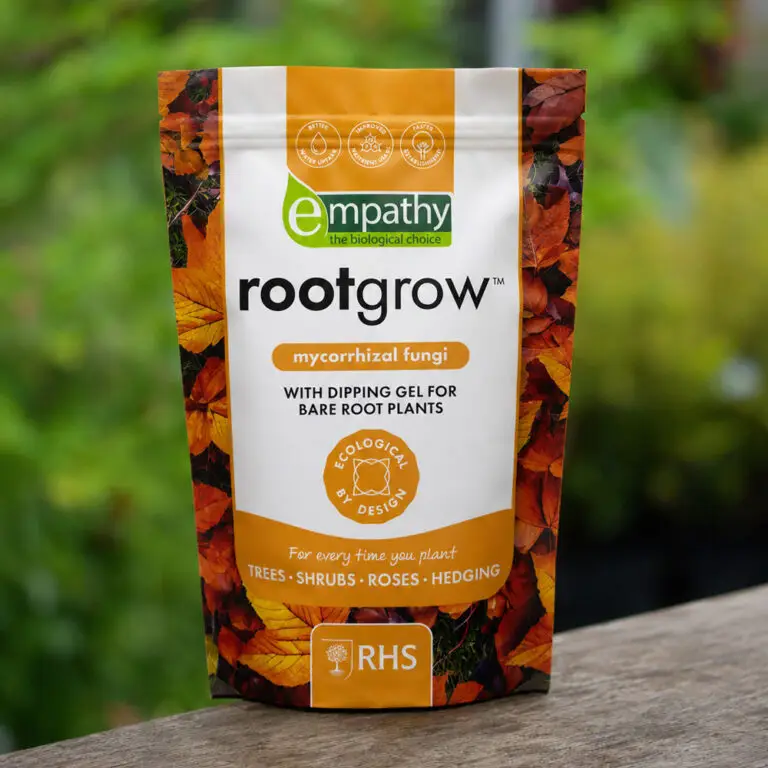
Rootgrow Mycorrhizal Fungi
Rootgrow can be applied at planting so the product is in direct contact with the roots, where appropriate for the plant and planting method.
View product
Hedge Feed
Hedge Feed provides balanced nutrition where established hedging would benefit from feeding as part of normal care.
View product
Hedge Irrigation
A hedge irrigation system can make it easier to water a new hedge consistently, particularly on longer runs and during dry weather.
View product
Hedge Compost & Mulch
Compost and mulch can support soil preparation, moisture retention and weed suppression when used appropriately around new hedging.
View product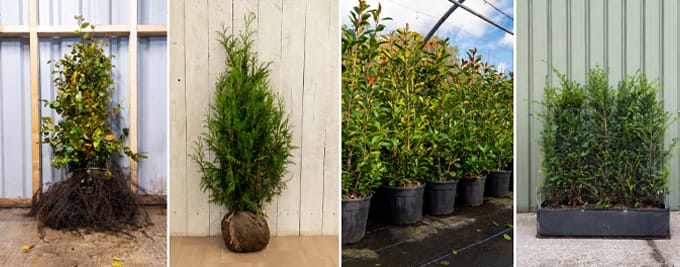
What Are the Different Hedging Root Types?
Bare root, root ball, pot-grown and instant hedging suit different budgets, planting times and levels of initial coverage. Understanding how each is…
Read answer
Is Taxus baccata Poisonous to Dogs and Livestock?
Yew is a familiar evergreen hedge, but its foliage, bark and seeds require particular care around animals. This guide explains the practical…
Read answerWhat Size Yew Plants Should I Choose for a Mature Hedge?
Choosing taller Yew plants can give a new garden hedge immediate structure and privacy, but plant height is only part of the…
Read answer
What Is the Best Time of Year to Plant a Yew Hedge?
Planting Yew at the right time reduces stress and makes first-season watering easier. The most suitable planting window depends on whether you…
Read answer
How Can I Make a Privet Hedge Grow Faster?
A Privet hedge can grow quickly once its roots are established, but dry soil, weed competition, deep shade and unsuitable pruning can…
Read answer
How Fast Does a Hornbeam Hedge Grow?
Hornbeam is a dependable native hedging plant, but the time it takes to form a useful screen depends on more than the…
Read answer
Can Euonymus Green Spire Be Grown in Pots?
Green Spire's naturally upright, compact habit makes it well suited to container growing. Pots do, however, need more regular watering and root…
Read answer
Is Holly Fast or Slow Growing?
English Holly is valued for dense evergreen foliage rather than rapid growth. Understanding its natural growth rate helps you choose the right…
Read answer