
Why Are My Laurel Leaves Turning Yellow?
Yellow leaves on a Laurel hedge do not necessarily mean the plant is dying. The pattern of yellowing, the condition of the soil and whether the Laurel has recently been planted can usually provide strong clues to the cause.
Quick Answer
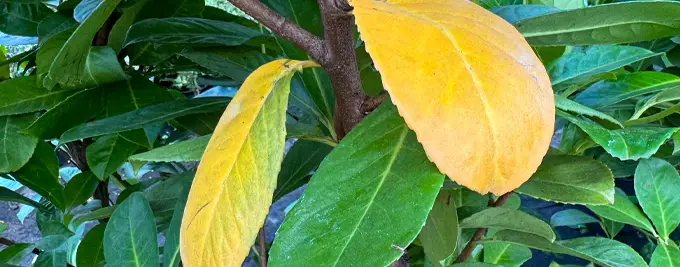
Laurel leaves most commonly turn yellow because the roots are too wet, too dry or still establishing after planting. Poor drainage and nutrient availability can also cause yellowing, while a small number of older internal leaves turning yellow and falling is normal. Before applying fertiliser, check the moisture within the root zone and look at which leaves are affected. The pattern of yellowing often tells you what needs correcting
Quick Facts
| A few older yellow leaves | Often normal evergreen leaf renewal |
|---|---|
| Yellowing after planting | Check root-ball moisture and establishment |
| Yellow leaves with wet soil | Possible poor drainage or waterlogging |
| Yellowing with dry soil | Possible drought or establishment stress |
| Yellow leaves with green veins | Possible nutrient availability or soil pH problem |
| Yellow spots with brown patches or holes | Check for Laurel leaf disease |
| First thing to check | Moisture below the soil surface |
Are yellow leaves on Laurel always a problem?
No. Laurel is evergreen, but evergreen does not mean that every leaf remains on the plant indefinitely.
Older leaves are gradually replaced by new growth, so it is normal to see occasional yellow leaves deeper inside an otherwise healthy hedge. These older leaves will eventually fall away.
You should investigate further if large numbers of leaves are yellowing, several plants are affected, new growth is pale, the hedge is losing vigour, or the yellowing is accompanied by wilting, brown patches or dieback.
The most useful starting point is not the colour alone. Look at where the yellow leaves are appearing and what the soil around the roots feels like. Yellowing, technically called chlorosis, can have many causes and the pattern often helps identify the underlying problem. much water and poor drainage
One of the first things to check is whether the ground is staying too wet.
Laurel prefers moist but well-drained soil. If the soil remains saturated for prolonged periods, particularly on heavy or compacted ground, there is less oxygen available around the roots. The roots then struggle to function properly and the foliage can begin turning yellow.
Do not assume that a yellowing Laurel needs more water.
Push a trowel or narrow spade into the soil beside the plant and check several centimetres below the surface. If the ground is persistently wet, sticky or saturated, adding more water or fertiliser is unlikely to solve the problem.
Where poor drainage is the cause, the priority is improving the conditions around the root system rather than trying to force new top growth with feed. Prolonged waterlogging can eventually lead to root damage, leaf loss and dieback. little water can also cause yellow Laurel leaves
The opposite problem can produce surprisingly similar symptoms.
Drought or an inadequately watered root ball can cause Laurel leaves to yellow before they brown or fall. This is particularly common with newly planted hedging because the roots have not yet spread far into the surrounding soil.
Large Laurels can be especially vulnerable because their evergreen foliage continues losing moisture while the newly planted root system is still restricted.
Do not judge moisture simply by looking at the soil surface. Dig down and check the soil where the roots actually are.
With pot-grown or root-balled Laurel, it is also important to check the original root ball itself. Surrounding soil can appear damp while the root ball at the centre is dry.
Our guide to planting a Laurel hedge explains how watering requirements change according to plant size, root type, weather and soil conditions. do newly planted Laurel leaves turn yellow?
Some yellowing after planting is relatively common.
Moving a plant from a pot, nursery field or root-ball environment into its permanent position temporarily changes the balance between the roots and the foliage. The plant needs time to establish new roots into the surrounding soil.
During this period, yellow leaves can indicate:
- a dry root ball
- excessive watering
- poor drainage
- planting too deeply
- root disturbance
- competition from weeds or nearby established plants
A recently planted Laurel should therefore be checked at the roots before it is automatically fed.
If the soil moisture is suitable and the stems and new growth remain healthy, losing a proportion of older foliage does not necessarily mean the plant has failed. a lack of nutrients make Laurel leaves yellow?
Yes, but nutrient deficiency should not automatically be assumed whenever a Laurel turns yellow.
A general pale appearance and weak growth can indicate a shortage of available nutrients. The pattern can provide further clues.
Nitrogen deficiency tends to produce a more general yellowing that commonly begins on older foliage. Iron deficiency tends to affect younger leaves first, with the tissue between the veins becoming yellow while the veins remain greener.
Soil conditions can also affect whether nutrients are available to the plant. Cherry Laurel, Prunus laurocerasus, can develop chlorosis on poor, shallow chalky soil even though nutrients may physically be present in the ground. one reason we recommend checking soil moisture and growing conditions before reaching for fertiliser.
For an established hedge growing in suitable soil, a balanced hedge fertiliser can support healthy growth where feeding is appropriate. It will not, however, correct roots sitting in saturated soil.
What if the leaves are yellow with brown spots or holes?
Yellowing accompanied by spots or holes deserves a closer look because the problem may involve the foliage rather than simply the roots.
Cherry Laurel and Portuguese Laurel can be affected by several leaf diseases, including powdery mildew, leaf spot fungi and bacterial shot hole.
Leaf spot and shot hole can initially produce brown areas surrounded by yellow tissue. The damaged centre may eventually fall away, producing the characteristic small holes often seen on Laurel leaves.
If the leaves have distinct spots, holes, powdery growth or distorted areas, compare the symptoms with our complete Laurel hedging care guide rather than treating the hedge simply as a watering or feeding problem. can I tell why my Laurel is turning yellow?
Work through the plant in this order.
1. Check whether it is only older leaves
A few yellow leaves inside a vigorous green hedge are normally part of natural foliage replacement.
2. Check the soil below the surface
Do not rely on the top few centimetres. Check the actual root zone.
If it is very dry, the plant may need a thorough watering.
If it is continually saturated, investigate drainage before watering again.
3. Check the original root ball on new plants
This is particularly important during the first growing season. The surrounding soil and original root ball can hold very different amounts of moisture.
4. Look at the yellowing pattern
Uniform pale growth may indicate a nutritional issue.
Yellow tissue between greener veins can point towards nutrient availability or soil pH.
Yellowing associated with spots, holes or powdery deposits suggests you should investigate pests or disease.
5. Look at the whole plant
Check whether the Laurel is producing new growth, whether the stems remain healthy and whether neighbouring plants are showing the same symptoms.
One struggling plant in a long hedge may have a local root or planting problem. Yellowing across an entire hedge may suggest a wider issue involving soil, weather, watering or nutrition.
How do I get yellow Laurel leaves green again?
Existing yellow leaves will not always return to their original dark green colour, so judge recovery by the condition of the plant and the new growth rather than expecting every damaged leaf to recover.
Correct the underlying cause first.
If the root zone is dry, water thoroughly and monitor it.
If the soil is waterlogged, reduce unnecessary watering and investigate why the area is not draining.
Keep weeds and grass away from newly planted Laurels because they compete for moisture and nutrients.
A layer of suitable organic mulch can help reduce moisture loss and improve the root-zone environment, but do not pile mulch against the stems.
Where an established hedge is growing actively and soil conditions are suitable, a balanced fertiliser can be used according to the product instructions to support future growth.
Most importantly, do not try to treat yellow foliage until you have checked the roots and soil. Feeding a plant whose roots are struggling because they are waterlogged will not correct the underlying problem.
When should I be concerned about yellow Laurel leaves?
Investigate promptly if:
- yellowing is spreading rapidly
- entire branches are dying back
- the hedge wilts despite wet soil
- roots are black, soft or decaying
- several plants suddenly decline
- leaves show unusual spotting or severe distortion
- newly planted Laurels continue deteriorating despite suitable watering
Laurel is generally a tough hedging plant, and many yellowing problems can be corrected once the cause is identified.
The key is diagnosis first and treatment second.
Gwynne's Grower's Tip
The first thing I would check on a yellowing Laurel is the moisture around the roots, not the leaves. With newly planted pot-grown or root-balled Laurel, put a trowel down beside the original root ball and check the moisture there. We often see the surrounding soil looking perfectly damp while the root ball itself has dried out, and the reverse can happen on heavy ground where the roots are sitting too wet. Get the root conditions right before adding feed. Once a Laurel is established and actively growing, you can then judge whether additional nutrition is actually needed.
More Laurel Advice
For more detailed growing advice or to view the plants available from our nursery, use the links below.
Useful Planting Essentials
Selected products that may help with planting, establishment and ongoing hedge care.
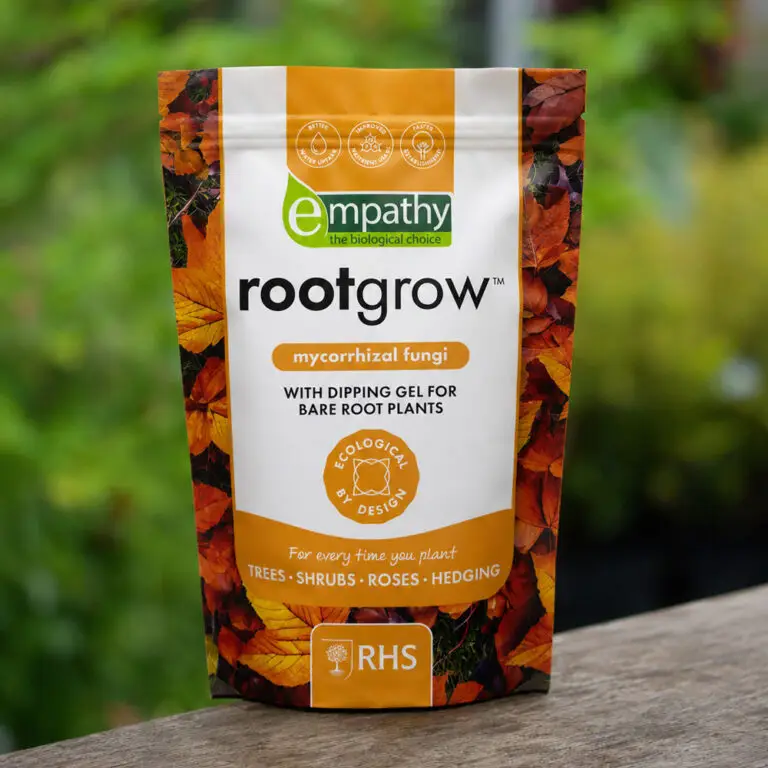
Rootgrow Mycorrhizal Fungi
Rootgrow can be applied at planting so the product is in direct contact with the roots, where appropriate for the plant and planting method.
View product
Hedge Feed
Hedge Feed provides balanced nutrition where established hedging would benefit from feeding as part of normal care.
View product
Hedge Irrigation
A hedge irrigation system can make it easier to water a new hedge consistently, particularly on longer runs and during dry weather.
View product
Hedge Compost & Mulch
Compost and mulch can support soil preparation, moisture retention and weed suppression when used appropriately around new hedging.
View product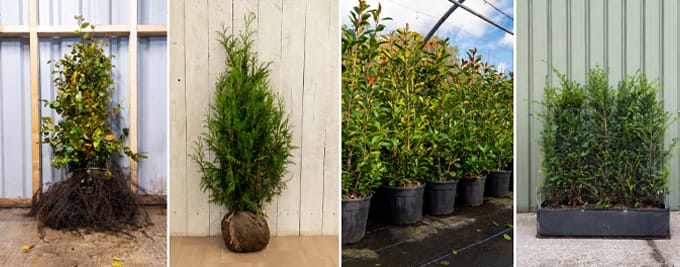
What Are the Different Hedging Root Types?
Bare root, root ball, pot-grown and instant hedging suit different budgets, planting times and levels of initial coverage. Understanding how each is…
Read answer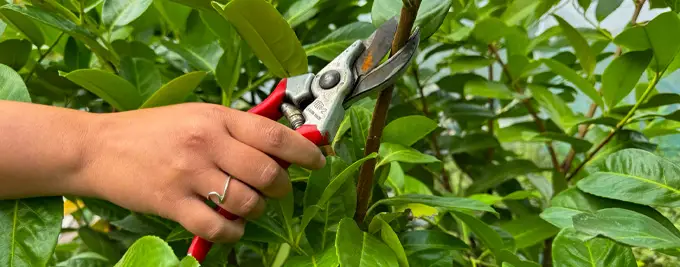
When Should I Prune a Laurel Hedge?
Laurel hedges are forgiving plants, but choosing the right time to prune helps them recover cleanly and keeps the hedge dense and…
Read answer
Are Laurel Berries Poisonous?
Laurel hedges can produce attractive dark berries after flowering, but the name "Laurel" covers several different plants. Their fruit is not identical,…
Read answer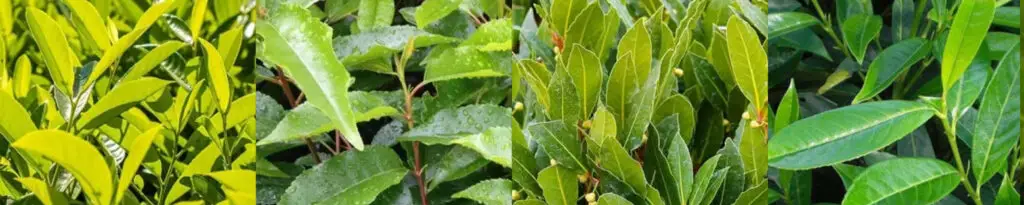
Is Laurel Hedging Poisonous?
Laurel is one of the UK's most popular evergreen hedges, but not every plant called Laurel has the same safety profile. This…
Read answer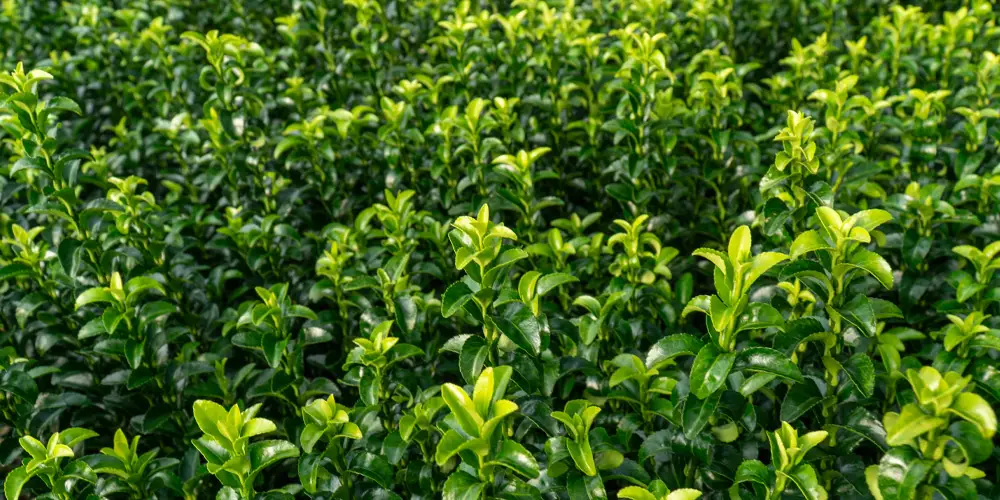
Euonymus Green Spire Problems: Causes and Fixes
Green Spire is a tough, reliable hedge, but a few problems turn up regularly. Here is how to recognise each one quickly,…
Read answer
Do Deer or Rabbits Eat Euonymus Green Spire?
Green Spire should not be regarded as reliably browse-proof. The amount of damage depends heavily on local animal pressure, alternative food and…
Read answer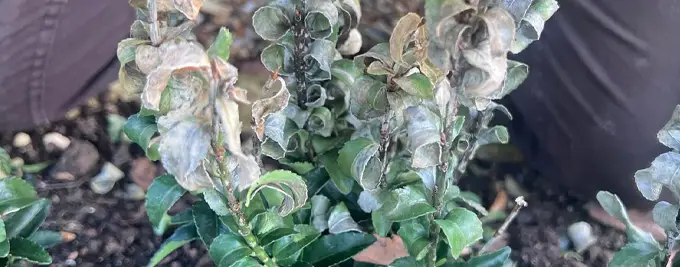
Can Frost or Wind-Damaged Green Spire Recover?
Evergreen Green Spire can show brown leaf edges, scorched foliage or leaf drop after cold drying winds. The visible damage can look…
Read answer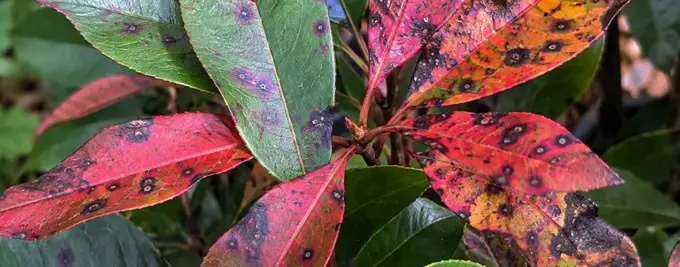
What Problems Can Photinia Red Robin Have in Pots?
Photinia Red Robin can grow well in containers, but a pot makes the roots more dependent on careful watering, drainage and regular…
Read answer