
Which Viburnum do you need?
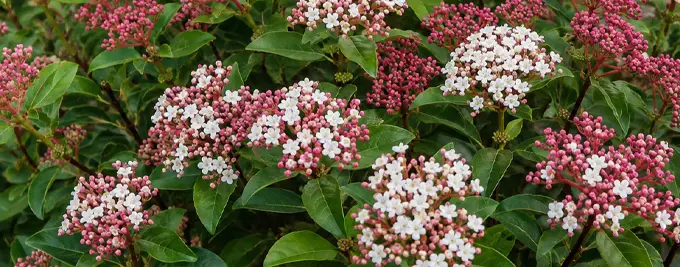
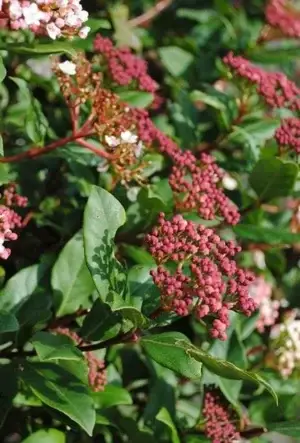
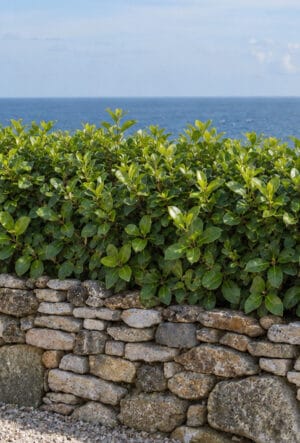
 Viburnum tinus HedgeLaurustinus ViburnumViburnum tinus keeps its glossy leaves all year and flowers from late autumn to spring, making a neat medium-height screen.EvergreenMedium 20-40cm per yearPot Grown
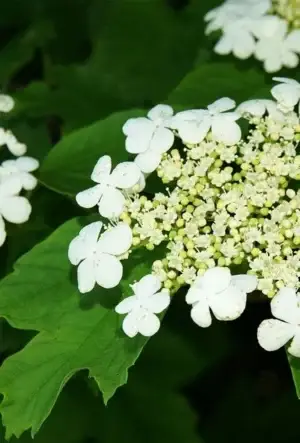
- SALEGuelder Rose HedgeViburnum opulusGuelder Rose is our native, deciduous Viburnum, with white flowers, red berries and red autumn leaves, and copes with damp soil.DeciduousMedium 20-40cm per yearBare RootPot Grown
Viburnum tinus or Guelder Rose?
| Compare | Viburnum tinus | Guelder Rose |
|---|---|---|
| Leaves | Evergreen, dark and glossy | Deciduous, maple-shaped, red in autumn |
| Flowers | Pink-white, late autumn to spring | White, early summer |
| Berries | Blue-black | Glossy red |
| Native | No | Yes |
| Best for | Year-round screening and winter colour | Native, wildlife and damp-soil hedges |
| Formats | Pot grown | Bare root and pot grown |
Gwynne's Grower's Tip
Viburnum tinus is one of the most useful evergreens for a shady or awkward spot, and a hedge in flower in January always gets noticed. The one mistake I see is trimming it in autumn: the flower buds are already set by then, so you cut off the whole winter display.
Trim it lightly in late spring, once flowering has finished. It grows steadily rather than fast, so if you want a screen sooner, it is worth buying the 60–80cm plants.
Viburnum buying questions
01Is Viburnum tinus evergreen?
Yes. Viburnum tinus keeps its dark green leaves all year, so it gives year-round screening. Guelder Rose (Viburnum opulus) is deciduous.
02When does Viburnum tinus flower?
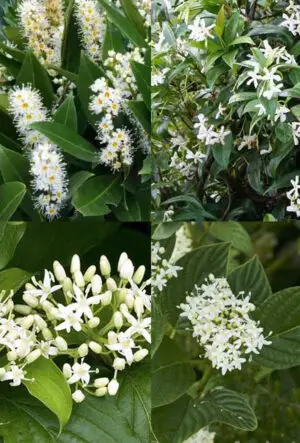
Pink buds open to clusters of white flowers from late autumn through winter and into spring, followed by blue-black berries.
03Will Viburnum tinus grow in shade?
Yes. It copes well with part shade and is one of the more shade-tolerant flowering evergreens, although it flowers most freely in sun. It needs well-drained soil.

Growing Advice for Viburnum Hedge Plants
What is Viburnum?
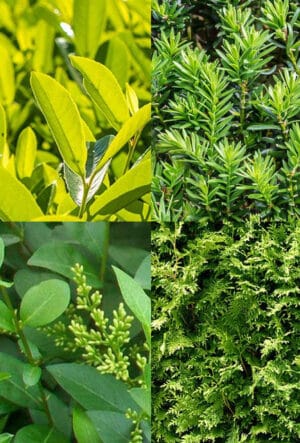
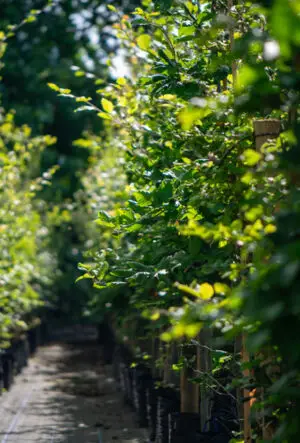
Viburnum hedge plants are a popular choice for hedges due to their attractive foliage, beautiful flowers, and ease of maintenance. Laurustinus ‘Eve Price’ is a stunning variety known for its winter flowering, with white flowers emerging from pink buds, dark-green foliage, and blue-black fruits that attract birds. These shrubs belong to the genus Viburnum and there are over 150 species within this group. They can be found in both deciduous and evergreen forms, with some being native to North America while others originate from Asia, Europe or Africa. | 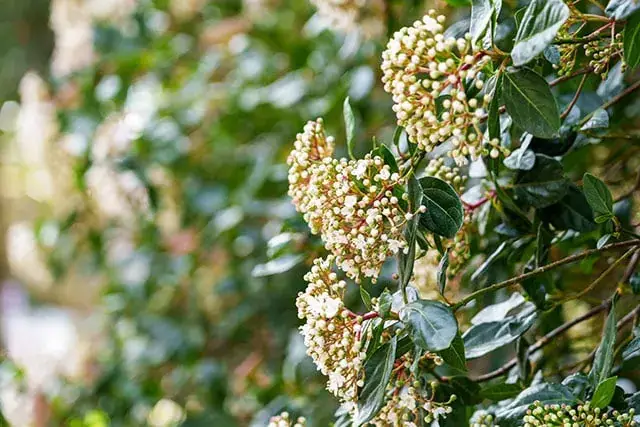 |