
Small Hedge Plants for Low Hedges and Garden Edging
Browse small hedge plants for low garden boundaries, path edging, formal borders and compact spaces. Compare evergreen, colourful and flowering varieties, including plants suited to clipped hedges and ornamental planting. Buy directly from our established family-run nursery, supplying retail, trade and commercial customers across the UK.
Browse small hedge plants for low borders, paths and compact UK gardens. Compare evergreen and colourful hedging, then buy direct from our family-run nursery.
- Price From £3.95 Shop Now This product has multiple variants. The options may be chosen on the product page
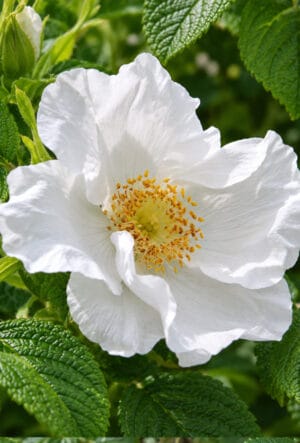
Rosa rugosa is a tough, fast-growing flowering hedge with fragrant white flowers followed by large orange-red rose hips. Dense, thorny and particularly tolerant of coastal and exposed conditions, it is...
- Price From £6.95 Shop Now This product has multiple variants. The options may be chosen on the product page
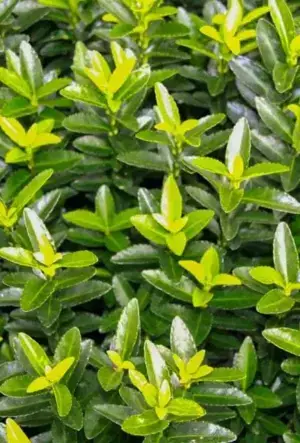
Euonymus japonicus 'Green Spire' is a narrow, small-leaved evergreen ideal for low formal hedges, edging and Box-style planting where a neat, compact finish is wanted.
- Price From £6.95 Shop Now This product has multiple variants. The options may be chosen on the product page
Euonymus japonicus 'Jean Hugues' is a dense, compact evergreen with glossy dark green foliage, ideal for low formal hedges, borders and Box-style planting where a fuller, bushier finish is wanted.
- Price From £10.95 Shop Now This product has multiple variants. The options may be chosen on the product page
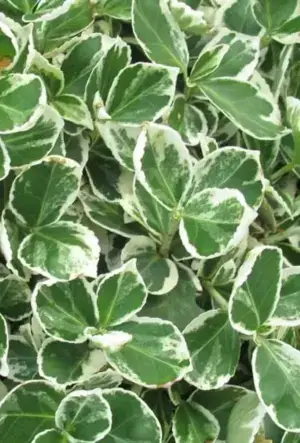
Euonymus fortunei 'Silver Queen' is a compact, variegated evergreen hedging shrub with glossy dark green leaves that have silvery white margins, which provide winter colour.
 Price From £10.95 Shop Now This product has multiple variants. The options may be chosen on the product page
Euonymus Emerald 'n' Gold is a compact, variegated evergreen hedging shrub with green leaves that have golden yellow margins, which provide winter colour.
- Price From £13.95 Shop Now This product has multiple variants. The options may be chosen on the product page
Euonymus fortunei 'Emerald Gaiety' is a compact, variegated evergreen hedging shrub with glossy dark green leaves that have white margins, which provide winter colour.



Choosing Small Hedge Plants for Your Garden
A small hedge can define a path, divide planting areas or add structure without creating a tall screen. The right plant will depend on the finished height you want, the available width, the growing conditions and how often you are prepared to trim it.
Some plants in this range are naturally compact and slow growing. Others can be maintained as smaller hedges through regular pruning. Always check the eventual height, spread and growth rate on the individual product page before ordering.
For taller boundaries, privacy screening or less formal planting, explore our complete hedge plant range.
Small Evergreen Hedge Plants
Evergreen hedge plants retain their foliage throughout the year and can provide permanent structure around borders, paths and entrances.
Euonymus japonicus varieties such as Green Spire and Jean Hugues are particularly useful for low evergreen hedging. Both have small dark green leaves and compact growth that responds well to clipping. They are particularly useful for low formal hedges and as alternatives to traditional Box.
Box hedging remains a traditional choice for edging, parterres and topiary. Customers concerned about Box-specific pests or diseases can also compare our wider range of Box hedge alternatives.
For a broader-leaved evergreen hedge, Compact Laurel has a naturally lower and more compact habit than vigorous Cherry Laurel varieties. Read our Laurel Hedge Care Guide for advice on planting, watering and pruning the different types of Laurel.
Colourful Small Hedge Plants
Small hedges do not have to be plain green. Variegated Euonymus can provide evergreen structure and contrasting foliage throughout the seasons.
Euonymus Silver Queen has green foliage with silvery white margins. Euonymus Emerald ’n’ Gold provides green and golden-yellow colour, while Euonymus Emerald Gaiety has green leaves edged with white.
These varieties tend to have a lower, broader habit than upright Green Spire. They are well suited to informal edging, compact borders and smaller decorative hedges.
Browse the complete Euonymus hedging range or read our detailed Euonymus Hedge Care Guide before choosing between upright and spreading varieties.
Small Hedges with Flowers, Berries and Winter Interest
A compact hedge can also provide flowers, berries or colourful seasonal stems.
Midwinter Fire Dogwood is deciduous and is grown for its brightly coloured winter stems. It creates a different effect from an evergreen formal hedge and works particularly well where seasonal colour is more important than permanent screening.
Cotoneaster dammeri has a low, spreading habit with small flowers followed by red berries. It is better suited to low ground-covering boundaries, banks and informal edging than a narrow upright hedge.
English Holly provides evergreen foliage, flowers and berries, but it is not naturally a dwarf plant. It will need regular pruning if it is to remain a small hedge. Browse the full Holly hedging range for further information.
Small Formal Hedges and Topiary
Plants with dense growth and smaller leaves are usually the easiest to maintain as crisp formal hedges.
Green Spire, Jean Hugues and Box can be clipped into neat lines around paths, borders and traditional parterres. Light, regular trimming from a young age normally creates a denser finish than allowing the plants to become overgrown before cutting them back heavily.
Some of these plants can also be used for simple clipped shapes. For ready-trained plants, browse our range of topiary plants, including balls, cones and trees.
Small, Low-Growing and Slow-Growing Hedges
The terms small, low-growing and slow-growing are related, but they do not mean exactly the same thing.
A naturally compact plant has a limited eventual height or spread. A slow-growing hedge may still become tall over time, while a faster-growing species may be kept low through frequent trimming. A plant sold at a small size will not necessarily remain small when mature.
Before choosing, consider:
- The desired maintained height
- The plant’s natural eventual height and width
- Its annual growth rate
- The amount of trimming required
- Whether it is upright, spreading or ground covering
- Whether winter foliage is important
The filters above can help you compare growth rate, eventual height, soil type, planting position and plant features.
Where to Use Small Hedge Plants
Front Gardens and Low Boundaries
A small hedge can mark the edge of a front garden without completely blocking the view towards the house or pavement.
Evergreen Euonymus, Box and Compact Laurel can provide year-round structure. Consider the mature width as well as the height so the hedge does not obstruct paths, driveways or neighbouring access.
Path and Border Edging
Low hedges can define paths, lawns, vegetable gardens and ornamental borders.
Upright varieties create a narrow, formal line, while spreading plants make softer and broader edging. Measure the available width before planting and follow the spacing shown for the selected product size.
Small and Courtyard Gardens
Compact hedging can add structure to courtyards and smaller gardens where a tall or vigorous hedge would take up too much space.
Choose a species that suits the available light and soil. A compact garden does not automatically require a shade-tolerant plant, and sheltered courtyards may still become hot and dry during summer.
Containers and Troughs
Some small hedge plants can be grown in sufficiently large containers or troughs. This can be useful for patios, entrances and areas where planting directly into the ground is not possible.
Container-grown plants need dependable drainage, regular watering and appropriate feeding. They should not be allowed to dry out completely or remain permanently waterlogged.
Planting Small Hedge Plants
Prepare a continuous planting strip where possible, removing grass, perennial weeds and compacted soil. A trench can make it easier to create an even hedge line and prepare the full area into which the roots will grow.
Position the plants at the depth they were previously growing. Check the recommended number of plants per metre on the individual product page, as spacing can vary according to the species, plant size and root type.
Using Rootgrow and Hedge Planting Compost
Apply Rootgrow mycorrhizal fungi at planting in accordance with the product instructions. Rootgrow should come into direct contact with the roots.
Where the existing soil needs improvement, mix Hedge Planting Compost with the excavated soil before backfilling.
Do not fill the planting trench entirely with compost. The roots need to grow into the surrounding ground, so compacted or poorly drained soil outside the immediate planting hole must also be addressed.
Firm the soil gently after planting and water the complete root area thoroughly.
Watering and Irrigation
Newly planted small hedge plants require regular watering while their roots establish. Plants with small root balls can dry out quickly, particularly during warm, windy or dry weather.
Check the moisture below the soil surface rather than watering only to a fixed timetable. Water slowly so it reaches the full depth of the root system.
For longer hedge lines, hedge irrigation can make even watering easier. Bronte Porous Pipe can be positioned along the planting line to deliver water gradually around the root area.
Plants growing permanently in pots or troughs usually need closer monitoring because container compost can dry more quickly than garden soil.
Rabbit Protection
Rabbits can damage the lower stems, bark and foliage of young hedge plants, particularly in rural gardens, open sites and commercial landscaping projects.
Where rabbit pressure is known, fit suitable Hedging Spiral Guards at planting. Use Garden Canes to support the guards and help keep them upright.
Check guards regularly to make sure they are secure, are not rubbing against the stems and have not become restrictive as the plants grow.
Some low, spreading or multi-stemmed plants may not fit standard spiral guards effectively. In these situations, temporary rabbit fencing or another suitable form of protection may be more practical.
Applying Hedge Feed After Planting
After the hedge has been planted, Hedge Feed can be applied according to the instructions on the packaging.
Spread the feed over the soil around the root area rather than placing concentrated fertiliser directly against stems or exposed roots. Water after feeding where required.
Feeding will not compensate for inadequate watering, poor drainage, planting too deeply or allowing grass and weeds to compete with the new hedge.
Small Hedge Plants FAQs
What Are the Best Plants for a Small Formal Hedge?
Euonymus Green Spire, Euonymus Jean Hugues and Box are suitable choices where a compact, small-leaved hedge with a formal clipped appearance is required.
The best option will also depend on the soil, light, exposure and whether you want to avoid traditional Box.
What Is the Best Small Evergreen Hedge?
There is no single best plant for every garden. Green Spire and Jean Hugues suit low formal hedging, variegated Euonymus provides brighter foliage, and Compact Laurel offers broader evergreen leaves and a less Box-like appearance.
Check the final width and growth habit as well as the expected height.
How High Should a Small Hedge Be?
The appropriate height depends on its purpose. Path edging and parterres may be kept well below one metre, while a front garden boundary or low divider may be maintained closer to 1 or 1.5 metres.
Make sure the chosen plant can be kept at that height without excessive pruning.
Are Small Hedge Plants Low Maintenance?
Some compact and slow-growing plants require less frequent trimming than vigorous hedges, but no newly planted hedge is maintenance-free.
Watering, weed control, occasional pruning and checks for pests, diseases or rabbit damage are still required. Plants grown in containers generally need more frequent watering and feeding.
Can Small Hedge Plants Be Planted Throughout the Year?
Most plants in this category are supplied pot grown and can generally be planted whenever the soil is workable and suitable watering is available.
Avoid planting into frozen, waterlogged or extremely dry ground. Planting during hot weather creates a greater watering commitment.
Buy Small Hedge Plants Direct from Our Nursery
Buy small hedge plants directly from our established family-run nursery. We supply retail, trade and commercial customers with hedging for private gardens, landscaping schemes, developments and larger planting projects across the UK.
Browse the plants above to compare current sizes, root types and availability. For more options, visit our complete hedge plants catalogue or contact our nursery team for help choosing plants, calculating quantities and selecting suitable planting essentials.