
Hedging care & growing guide
Hawthorn Hedge Care Guide: Planting, Spacing and Pruning
A Hawthorn hedge is straightforward to establish when it is planted at the correct density, kept free from weed competition and watered properly while its roots develop. Common Hawthorn (Crataegus monogyna) is a hardy, deciduous native hedge suited to a wide range of UK sites. This guide explains how to plant, space, water, feed and prune Hawthorn, together with seasonal care and solutions to common problems. If you are choosing plants, sizes or root types, visit our Hawthorn hedge plant range.
Hawthorn can form a dense, thorny garden boundary, an informal wildlife hedge or part of a mixed native hedgerow. It tolerates exposed positions and a wide range of soils, but newly planted hedging still needs good soil contact, consistent moisture and protection from severe competition, prolonged waterlogging and browsing animals.
Planting density varies with the size and root type supplied, so this guide uses the current Hedging Plants Direct figures rather than applying one generic spacing to every Hawthorn plant.
Expert nursery advice
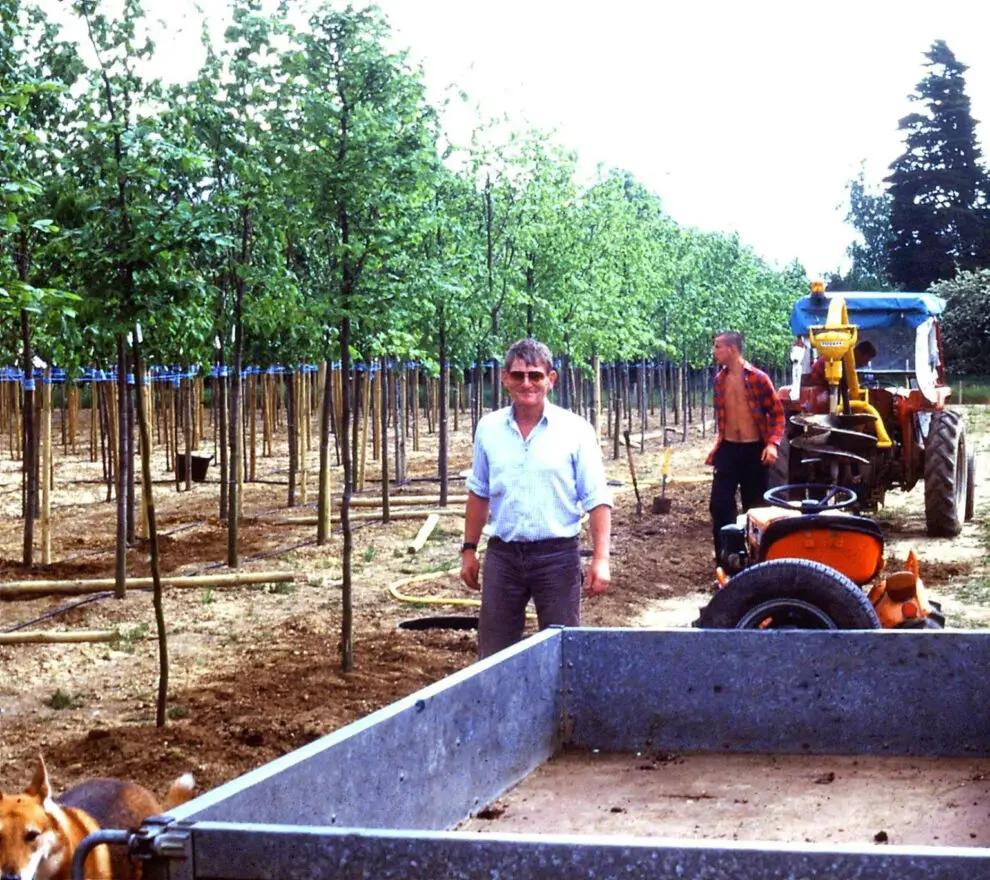
Gwynne's Grower's Tip
The important thing with Hawthorn is not to rush the top growth. Plant it at the density recommended for the size you have bought, keep the roots moist and keep grass away from the planting line while it establishes. If young plants are lightly shaped so they branch low down, they will make a much better hedge than plants allowed to shoot upwards with a thin base. Hawthorn is tough once established, but the first seasons of watering, weed control and sensible pruning make a real difference.
From our nursery
Visit our Hawthorn hedges

Hawthorn Hedge
Hawthorn Hedge is the traditional Common Hawthorn, Crataegus monogyna, and is a dependable choice for a thorny native boundary or wildlife hedge. The live product currently includes economical bare-root plants, larger root-balled stock and pot-grown options. Choose the size and root type according to planting season, budget and how much initial structure you need, then use the density shown for that exact variation.
Not sure which Hawthorn hedge to choose?
Compare the available plants, formats and starting sizes in the complete range.
Explore our complete Hawthorn hedging rangeHawthorn hedge quick-care summary
| Botanical name | Crataegus monogyna |
|---|---|
| Plant type | Native thorny hedging shrub/small tree |
| Evergreen or deciduous | Deciduous |
| Typical growth rate | Around 20–40cm per year once established |
| Preferred position | Full sun to partial shade |
| Soil | Most soil types |
| Watering | Water thoroughly while establishing and in dry spells |
| Pruning period | Formative pruning when young; maintain from late spring to early autumn |
| Feeding | Light spring feed if required |
| Hardiness | H7 – fully hardy |
| Typical hedge height | 1.5m to 3m - 5ft to 10ft |
| Planting season | Bare root Nov–Apr; root ball cooler months; pot grown year-round |
| Root types commonly available | Bare root, root-balled and pot grown |
About Hawthorn hedging
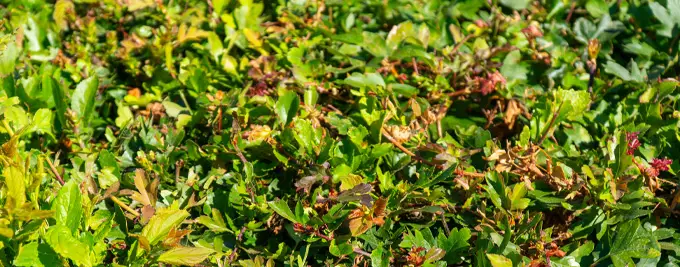
Common Hawthorn (Crataegus monogyna) is one of Britain's characteristic native hedging plants. It is also known as Quickthorn, Whitethorn and May, and can grow as either a hedge or a small to medium-sized tree when left untrimmed.
What does a Hawthorn hedge look like?
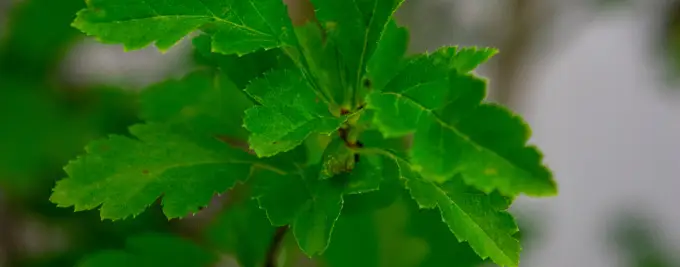
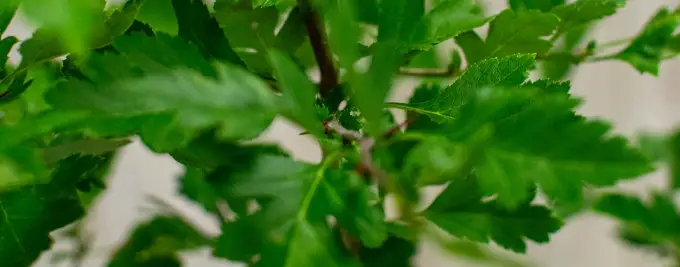
Hawthorn produces lobed green leaves on a dense network of woody, thorn-bearing branches. Clusters of white flowers are produced in spring, followed by red fruits known as haws later in the year. The foliage is deciduous and falls in autumn or early winter, so Hawthorn should not be described as an evergreen or semi-evergreen hedge.
What is Hawthorn hedging used for?
- Traditional garden and field boundaries
- Native and wildlife-friendly planting
- Thorny deterrent hedging
- Exposed and rural sites
- Informal flowering hedges
- Mixed native hedgerows
The Hawthorn Hedge supplied by Hedging Plants Direct is Common Hawthorn, Crataegus monogyna. It is currently offered in bare-root, root-balled and pot-grown forms, allowing the starting size and planting season to be matched to the project.
Hawthorn as part of a mixed hedge
Hawthorn can also provide the structural backbone of a mixed native hedge alongside compatible native shrubs. This creates a more varied boundary in flower, fruit, foliage and habitat than a single-species hedge. Where a mixed planting scheme is preferred, compare it with the native mixed hedging range.
Choosing the right Hawthorn hedge
Hawthorn is a particularly good choice for
- native and wildlife-focused gardens
- rural and traditional landscapes
- exposed boundaries
- thorny security or deterrent planting
- mixed native hedges
- medium or tall informal boundaries
- sites where spring blossom and autumn fruit are desirable
When another hedge may suit better
Hawthorn loses its leaves in winter. Its dense framework of branches and thorns continues to provide structure, but it does not give the same winter visual screening as an evergreen such as Yew, Laurel or Holly.
The thorns can also make Hawthorn unsuitable immediately beside narrow paths, children's play areas or places where people regularly brush against the hedge. Allow enough room for the hedge to be maintained without obstructing access.
Sun, shade and exposed sites
Hawthorn grows well in full sun or partial shade. A brighter position generally favours stronger flowering and fruiting, while a more shaded site may produce less blossom. It is a useful option for exposed and coastal locations provided the planting area drains adequately.
Formal or informal?
Hawthorn can be clipped into a relatively neat boundary, but its natural character suits informal and wildlife hedges particularly well. Less frequent trimming usually allows more blossom and haws to develop, while regular clipping produces a tighter outline with fewer flowers and fruits.
Hawthorn in winter: foliage, thorns and screening
Common Hawthorn (Crataegus monogyna) is a deciduous hedge. Its leaves change colour and fall in autumn or early winter, leaving the branch structure visible until new foliage opens in spring.
Does a Hawthorn hedge give privacy in winter?
A mature, well-branched Hawthorn hedge can still interrupt views because of its dense network of stems and thorns, but it does not provide the solid leafy winter screen of an evergreen hedge. Where complete year-round visual privacy is the main requirement, compare Hawthorn with an appropriate evergreen species before planting.
Why Hawthorn can still be useful in winter
- the thorny woody framework remains in place
- a dense hedge continues to form a physical boundary
- haws may remain available to wildlife into the colder season
- the bare branch structure can still provide shelter and habitat
Thorns and positioning
The same thorns that make Hawthorn useful as a deterrent can be uncomfortable beside narrow paths, seating areas, playgrounds or frequently used gateways. Allow enough width for safe access and pruning, and wear suitable gloves and protective clothing when handling branches and clippings.
When to plant a Hawthorn hedge
Bare-root Hawthorn
Bare-root Hawthorn is normally available from November into early spring while the plants are dormant. Plant as soon as practical after delivery, provided the soil is workable. Keep the roots cool, covered and moist until they are in the ground.
Root-balled Hawthorn
Root-balled plants are lifted with soil retained around the root system and are supplied during the cooler lifting season. Plant promptly and keep the root ball intact during handling. Water it before and immediately after planting if conditions are dry.
Pot-grown Hawthorn
Pot-grown Hawthorn can be planted throughout the year when conditions are suitable. Autumn and spring generally make establishment easier because temperatures are moderate and natural rainfall is more useful. Summer planting is possible, but the plants will depend much more heavily on careful watering.
When planting should be delayed
- when the ground is frozen solid
- when the planting trench is holding standing water
- during severe drought unless reliable irrigation is available
- during exceptional heat when plants cannot be kept adequately watered
- when wet clay is so saturated that digging smears and compacts it
If seasonal plants arrive during a short spell of unsuitable weather, protect their roots and follow the supplied holding instructions rather than forcing them into frozen or saturated soil.
Where to plant Hawthorn
Light
Choose full sun or partial shade where possible. Hawthorn is adaptable, but flowering and fruiting are generally strongest where the hedge receives reasonable light.
Soil
Hawthorn grows on a wide range of UK soils, including clay, loam, sand and chalky ground. Improving the structure of extremely poor or compacted soil is more useful than trying to create an artificially rich planting pocket around each plant.
Drainage
Moist soil is not necessarily a problem for Hawthorn, but persistent standing water around the roots is. If water remains in the trench long after surrounding ground has drained, correct the drainage or compaction before planting.
Exposure and coastal gardens
Its toughness makes Hawthorn well suited to many exposed and windy sites. Young plants in very open positions still need adequate water because wind can increase moisture loss before the roots have spread into the surrounding ground.
Walls, fences and boundaries
Allow sufficient room for the hedge's eventual width and for safe maintenance on both sides. Do not plant directly against a fence merely to maximise garden space: a workable gap makes clipping easier and reduces the risk of branches becoming trapped through panels.
Check the legal boundary before planting and keep the centre line of the mature hedge within the intended property or project boundary.
Competing vegetation
Avoid planting directly beneath established trees or into dense grass if this can be prevented. Mature roots and vigorous turf can take a large share of the available moisture from newly planted Hawthorn.
How to prepare the planting area
- Measure and mark the hedge line. Subtract gateways and permanent openings before calculating the number of plants.
- Remove grass and perennial weeds. Clear a continuous strip so young Hawthorn roots are not immediately competing with established turf.
- Check drainage. Investigate standing water and compacted layers before digging the final trench.
- Loosen the planting strip. A continuous trench is often useful for bare-root hedging because it gives the roots a consistent prepared zone and makes accurate spacing easier.
- Improve poor soil moderately. Where useful, blend peat-free Hedge Planting Compost with the existing soil. Do not replace the complete trench with compost.
- Water pot-grown plants. Thoroughly wet a dry root ball before removing the pot.
- Moisten root-balled stock. Keep the soil ball intact and evenly moist.
- Protect bare roots. Keep roots wrapped until each plant is ready to go into the trench. Do not leave them exposed to sun or drying wind.
- Apply mycorrhizal fungi if selected. Rootgrow should be used according to its label and placed in direct contact with the roots.
- Avoid concentrated fertiliser against roots. Correct depth, soil contact, weed control and moisture are more important at planting.
How to plant a Hawthorn hedge
- Set out the plants first. Position the complete run using the plants-per-metre figure for the exact Hawthorn size and root type.
- Prepare enough root space. Dig a trench or individual holes wide enough for the roots to sit naturally without being bent sharply back on themselves.
- Check planting depth. Position the original soil mark or root flare approximately level with the surrounding finished soil. Do not bury the stems deeply.
- Spread bare roots. Arrange them naturally through the prepared soil and enlarge the trench rather than folding long roots into a tight hole.
- Remove containers carefully. Slide pot-grown Hawthorn from its pot and gently loosen tightly circling outer roots where necessary.
- Keep root-balled plants intact. Support the root ball during handling and do not break away the soil around the roots. Follow any specific instructions supplied for the wrapping or wire used around the ball.
- Backfill gradually. Return the prepared soil around the roots, working it between bare roots and eliminating large air pockets.
- Firm gently. Stabilise each plant without stamping the entire trench into a compacted layer.
- Water thoroughly. Soak both the original root system and surrounding soil immediately after planting.
- Mulch and protect. Apply an organic mulch over the root zone while keeping it away from direct contact with the stems. Fit rabbit or deer protection where browsing is likely.
Small bare-root plants normally stand without staking. Larger root-balled stock may need support on exposed sites if the root system cannot hold the plant securely. Any stake or tie should stabilise the root area without rubbing the stems.
Hawthorn hedge spacing and plants per metre
The table below uses the current Hawthorn planting densities published by Hedging Plants Direct. The approximate centre-to-centre figure is the simple equivalent for a single straight row.
| Root type and size | Plants per metre | Approx. spacing in a single row |
|---|---|---|
| Bare root 40–60cm | 6 per metre | About 17cm centres |
| Bare root 60–90cm | 5 per metre | 20cm centres |
| Bare root 90–120cm | 5 per metre | 20cm centres |
| Bare root 120–150cm | 4 per metre | 25cm centres |
| Pot grown 40–60cm | 4 per metre | 25cm centres |
| Pot grown 60–90cm | 4 per metre | 25cm centres |
| Pot grown 90–120cm | 4 per metre | 25cm centres |
Why does the spacing change?
Smaller bare-root plants are used at a higher density so their branches meet and form a continuous hedge as they establish. Larger plants begin with more individual structure and therefore require fewer plants per metre.
What about root-balled Hawthorn?
Root-balled Hawthorn is currently part of the live range, but use the density or quantity shown for the current root-balled variation when ordering rather than assuming the spacing from a bare-root or pot-grown size.
Single row or double row?
A staggered double row can be useful where a deliberately wider countryside-style hedge is required, but do not simply double the plant quantities shown above. Our figures are product densities per linear metre rather than a universal double-row specification. Where a double row is part of a landscape, grant or agricultural specification, follow that project's required density and row spacing.
Watering and establishing a Hawthorn hedge
Immediately after planting
Water the complete planting line thoroughly. The aim is to wet the original roots and surrounding prepared soil, settle loose soil around the roots and remove large air pockets.
During the first growing seasons
Check the soil below the surface rather than watering by calendar alone. Water deeply when the root zone is becoming dry, particularly during spring and summer drought, warm windy weather and after summer planting.
Young Hawthorn planted beside mature trees, established hedges or vigorous grass may dry more quickly because surrounding roots are competing for the same moisture.
Signs that a new Hawthorn hedge is too dry
- wilting or curling young foliage
- brown or crisp leaf edges
- premature yellowing or leaf fall
- short new shoots that stop extending
- dry soil beneath the surface or mulch
- individual plants failing where the ground is driest
Signs of excessive water
- yellow foliage despite persistently wet soil
- weak or stalled growth in the wettest section
- standing water remaining after rain
- dark, soft or unhealthy roots
- progressive dieback along a low section of trench
Mulching
A layer of organic mulch such as Hedge Bio Mulch helps reduce evaporation and suppress competing weeds. Spread it over moist soil and leave a clear gap immediately around the stems.
Winter watering
Dormant bare-root Hawthorn normally needs little extra water when winter soil is naturally moist. Newly planted hedges may still need water during an unusually prolonged dry period, but do not water frozen or already saturated soil.
How and when to feed Hawthorn hedging
Feeding a new Hawthorn hedge
Do not place concentrated fertiliser directly against bare roots or inside a dry planting hole. Where Hawthorn is planted in autumn or winter, feeding is normally more useful as active growth begins in spring.
Spring feeding
Where growth is weak or soil fertility is poor, apply a balanced general hedge fertiliser to moist, weed-free soil in spring. Hedge Feed can be used according to the rate on its current label and watered in when rainfall is not expected.
Established Hawthorn
If an established hedge is making healthy growth and has good foliage colour, routine feeding may be unnecessary. Continue to maintain soil condition with organic matter and mulch rather than trying to force constant soft growth.
When not to feed
- when the hedge is wilting because the soil is dry
- when roots are standing in water
- when a planting or drainage fault is causing decline
- when the hedge is already growing vigorously
Avoid excessive high-nitrogen feeding late in the growing season because it can produce soft growth that has less time to mature before winter.
How and when to prune a Hawthorn hedge
Pruning a newly planted Hawthorn hedge
The priority in the early years is branching rather than maximum height. If a young plant is poorly branched, shorten the leading shoot after planting to encourage lower shoots. During the following growing season, lightly shortening side growth can further improve density.
Do not repeatedly cut the top once the hedge is making strong basal growth unless it has reached the height you want. The sides can gradually be shaped so the hedge remains slightly wider at the base than at the top, allowing light to reach lower branches.
Pruning an established Hawthorn hedge
For a tidy formal hedge, Hawthorn can be clipped during the growing season as required, with a final light trim before autumn growth finishes. An informal wildlife hedge can be cut less frequently, allowing more flowering shoots and haws to develop.
Pruning for flowers and berries
Frequent clipping removes flowering wood and developing fruit. If wildlife value is a priority, avoid repeated close trimming and leave some sections long enough to flower and fruit. A later trim after much of the fruit has been used by wildlife can be preferable to immediately cutting away every flowering shoot.
Renovating an overgrown Hawthorn hedge
Hawthorn tolerates substantial renovation, but reducing a very large hedge gradually places less stress on it than cutting the top and both sides back severely at once. Major renovation is best carried out during dormancy. Where more than half the hedge's bulk needs to be removed, consider spreading the work over two or three winters.
Bird nests and hedge cutting
Check the hedge carefully for active nests before any cutting. Active wild-bird nests are protected, irrespective of whether a particular date falls inside or outside the usual nesting season.
For hedgerows on agricultural land in England that are covered by the Hedgerow Management Rules, separate restrictions normally prevent cutting or trimming from 1 March to 31 August unless an exemption applies. Private garden boundaries are specifically exempt from those agricultural cutting rules, but wildlife legislation still applies.
Working safely
Hawthorn carries sharp thorns. Wear suitable gloves, eye protection and clothing when cutting or clearing clippings, particularly on an old hedge with rigid woody growth.
Hawthorn hedge growth rate and eventual size
How fast does a Hawthorn hedge grow?
A useful planning figure for Hawthorn is approximately 20–40cm of annual growth once the hedge is established and growing well. A newly planted hedge may make less top growth while it develops new roots, while favourable established plants can occasionally grow more strongly.
What affects the growth rate?
- the starting plant size and root type
- how quickly the roots establish
- available soil moisture
- weed and grass competition
- soil structure and fertility
- sunlight and exposure
- rabbit or deer damage
- the amount and frequency of pruning
How tall can a Hawthorn hedge grow?
Common Hawthorn can become a substantial woody plant if left unpruned, but a hedge does not need to approach its natural tree size. It can be maintained as a medium garden boundary or allowed to develop into a taller rural hedge according to available space and management.
For most gardens, decide the intended finished height early and encourage plenty of low branching before allowing the hedge to reach that height. This produces a denser result than allowing young Hawthorn to become tall and thin before trying to fill the base later.
Seasonal care for Hawthorn hedging
| Season | Main Hawthorn care |
|---|---|
| Late autumn and winter | Plant bare-root and suitable root-balled stock when the ground is workable. Keep roots protected from drying. Carry out major renovation during dormancy where required and check carefully for active nests before work. |
| Early spring | Check recently planted plants for firm soil contact, replace failures where appropriate, refresh the weed-free strip and apply a balanced feed only where needed. |
| Late spring | Watch new growth for drought stress, aphids, leaf problems and fireblight symptoms. Avoid unnecessary clipping if blossom and wildlife value are priorities. |
| Summer | Water newly planted hedges during dry spells. Keep grass and weeds controlled. Carry out formative or maintenance trimming where appropriate after checking thoroughly for active nests. |
| Late summer and early autumn | Complete light shaping where required. Inspect the hedge for sparse areas, browsing damage and disease. Reduce unnecessary feeding as the growing season ends. |
| Autumn | Allow haws to remain where wildlife value is important. Renew mulch if required and prepare ground for dormant-season planting. |
Hawthorn pests, diseases and common problems
Hawthorn leaves turning yellow
Yellowing on a recently planted hedge is often a root-zone problem rather than a nutrient deficiency. Check the soil first. Prolonged waterlogging reduces root function, while severe drought can also cause yellowing followed by premature leaf fall. Remember that healthy Hawthorn naturally yellows and loses its foliage in autumn.
Leaves turning brown after planting
Brown, crisp leaves accompanied by dry soil usually point towards drought or roots that have dried before establishing. Water the complete root zone deeply and check that mulch or irrigation is actually delivering moisture beneath the surface.
Where the soil remains saturated and shoots are dying back despite plentiful water, investigate drainage rather than adding more water or fertiliser.
Hawthorn hedge not growing
A newly planted hedge may make relatively little top growth while new roots establish. Check for grass competition, drought, planting depth, compacted or saturated soil and browsing before assuming that the plants need more feed.
Sparse growth at the base
Young Hawthorn allowed to grow rapidly upwards without formative pruning can become thinner low down. Lightly shorten appropriate young growth to encourage branching and keep the hedge slightly wider at the bottom than at the top so light continues to reach the lower shoots.
Rabbit and deer damage
Young Hawthorn can be browsed or have bark stripped by rabbits and deer. Severe bark removal around the full circumference of a stem can kill growth above the damaged point. Install suitable protection where wildlife pressure is known rather than waiting for repeated damage.
Fungal leaf spots
Leaf spots can produce dark or grey-centred blotches, sometimes accompanied by yellowing. They are often more unsightly than dangerous. Remove heavily fallen affected material where practical and support the hedge with good growing conditions rather than feeding it excessively.
Powdery mildew
A white powdery coating on foliage can occur during dry conditions. Reduce prolonged drought stress, maintain an organic mulch and water the root zone when required. Avoid assuming that every pale coating requires a chemical treatment.
Fireblight
Fireblight is a bacterial disease of Hawthorn and other plants in the rose family. Suspect it where flowers wilt, young shoots rapidly brown or blacken and appear scorched, or cankers develop on woody growth. The affected shoot tips may die suddenly rather than gradually drying from ordinary water stress.
Remove confirmed infections promptly, cutting well back into healthy wood and disinfecting tools between cuts. Do not compost obviously infected material. Fireblight is no longer a notifiable disease in mainland Britain, although reporting arrangements differ in territories where it is not established.
Honey fungus
Progressive dieback of established Hawthorn, particularly where other woody plants have also died nearby, may justify checking the root and collar area for honey fungus. Diagnosis should be based on characteristic signs rather than on leaf colour alone.
Is my Hawthorn dead or dormant?
Hawthorn is deciduous, so a leafless plant during winter is not necessarily dead. Look for healthy buds and flexible young shoots and lightly scratch a small inconspicuous area of young bark if necessary; living tissue immediately beneath the bark should remain fresh rather than completely dry and brown. Allow late-dormant plants time to break bud before removing them unnecessarily.
When to seek further advice
Ask for specialist diagnosis where dieback spreads rapidly, the cause is uncertain, several established plants decline together or unusual cankers and root symptoms are present. Avoid applying pesticides or fungicides without first identifying the problem and checking that the intended use is currently authorised in the UK.
Wildlife and environmental value
Spring flowers
Hawthorn's spring blossom provides a seasonal food source for visiting insects. Repeated close clipping reduces the amount of flowering wood, so a wildlife hedge benefits from a less intensive cutting regime.
Dense nesting and shelter cover
As Hawthorn develops, its network of thorny branches forms useful shelter and nesting structure. A wider informal hedge generally provides more habitat than a very narrow hedge repeatedly clipped back to the same tight outline.
Autumn haws
The red fruits that follow successful flowering are an important part of Hawthorn's autumn and winter value. Where berries are a priority, avoid trimming off all developing fruit immediately after flowering.
Mixed native hedging
Hawthorn can be combined with other suitable native shrubs to extend the range of foliage, flowers, fruits and habitats available along a boundary. For larger wildlife projects, compare the native mixed hedge range.
Protect active nests
Always check Hawthorn carefully before pruning. Dense growth can conceal occupied nests from casual view, and an active wild-bird nest must not be damaged or destroyed simply because hedge maintenance has been scheduled.
Hawthorn care by root type
| Root type | Before planting | Planting | Early aftercare |
|---|---|---|---|
| Bare root | Keep roots covered, cool and moist and plant promptly during dormancy. | Spread roots naturally and use the density for the exact plant height. | Prevent grass competition and monitor moisture carefully as spring growth begins. |
| Root balled | Keep the soil ball moist and support it during handling. | Keep the root ball intact and follow the supplied wrapping instructions. | Larger plants have a bigger canopy and need reliable watering until new roots spread into surrounding soil. |
| Pot grown | Water dry compost thoroughly before removing the pot. | Plant at the existing root-ball level and loosen tightly circling outer roots where needed. | Suitable for a wider planting season, but summer-planted stock needs particularly close watering attention. |
Does one root type make a better mature hedge?
The root type mainly changes the way the plant is supplied, its initial size, planting season and establishment requirements. Once successfully established and managed, all three formats can form the same Common Hawthorn hedge.
For long hedge runs, smaller bare-root stock is often the economical choice. Pot-grown plants provide greater timing flexibility, while larger root-balled plants provide more immediate initial structure but require heavier handling and careful watering.
Frequently asked questions about Hawthorn hedging
Is Hawthorn evergreen?
No. Common Hawthorn (Crataegus monogyna) is deciduous and normally loses its leaves in autumn or early winter. A dense mature hedge still provides a woody, thorny boundary during winter, but it does not give the same leafy year-round screening as an evergreen hedge.
When is the best time to plant a Hawthorn hedge?
Bare-root Hawthorn is best planted during its dormant season, normally from late autumn into early spring. Root-balled Hawthorn is also seasonal, while pot-grown plants can be planted throughout the year when soil and weather conditions are suitable. Avoid frozen, severely waterlogged or very dry ground.
How far apart should Hawthorn hedge plants be?
Spacing depends on the size and root type. Current densities range from six plants per metre for 40–60cm bare-root Hawthorn to four plants per metre for larger bare-root and pot-grown plants. Always use the density shown for the exact variation ordered rather than one universal spacing.
How fast does a Hawthorn hedge grow?
The current Hedging Plants Direct Hawthorn product gives a typical growth rate of around 20–40cm per year. Actual growth varies with establishment, soil, moisture, exposure and pruning, and a newly planted hedge may put more energy into root development before making strong top growth.
When should I prune a Hawthorn hedge?
Young Hawthorn benefits from formative pruning to encourage dense low branching, while established hedges can be trimmed during the growing season according to the finish required. Less-frequent cutting preserves more blossom and berries. Always check carefully for active bird nests before pruning.
Can I cut an overgrown Hawthorn hedge back hard?
Yes, Hawthorn generally responds to renovation pruning, but very severe reductions are better staged. If the top and sides need to be reduced by more than about half, spreading the work over two or three dormant seasons reduces stress and gives the hedge time to recover between cuts.
Does Hawthorn grow in shade?
Hawthorn grows in full sun or partial shade and can tolerate fairly difficult positions. However, stronger light generally encourages better flowering and fruiting. Deep shade beneath established trees can also increase competition for water and may lead to thinner growth.
Can Hawthorn grow in clay soil?
Yes. Hawthorn tolerates clay and many other soil types provided the root zone is suitable for growth. Moist ground is acceptable, but avoid a planting trench that remains continuously waterlogged. Relieve severe compaction and drainage problems before planting.
How often should I water a newly planted Hawthorn hedge?
Water according to soil and weather conditions rather than a fixed daily timetable. Soak Hawthorn thoroughly after planting, then check the root zone regularly during dry weather and water deeply before it dries excessively. Newly planted hedges require much closer monitoring than established Hawthorn.
Does a Hawthorn hedge need fertiliser?
Usually not much. Hawthorn is not a heavy feeder. A balanced spring fertiliser can help newly planted plants, poor soil or a weak hedge, but healthy established Hawthorn normally needs little routine feeding. Correct drought, waterlogging and weed competition before assuming fertiliser is required.
Why are my Hawthorn leaves turning yellow?
Check the season and root conditions first. Hawthorn naturally yellows before losing its leaves in autumn. Yellowing during active growth can result from drought, persistently wet soil, damaged roots or other establishment stress. Check moisture and drainage before adding fertiliser.
Why is my new Hawthorn hedge not growing?
A newly planted Hawthorn hedge can make limited top growth while its roots establish. Check that the plants have adequate moisture, are not planted too deeply, are free from grass competition and have not suffered rabbit or deer damage. Healthy buds and new root development are more useful signs than height alone.
Is Hawthorn good for wildlife?
Yes. Hawthorn provides spring flowers, dense thorny shelter and nesting structure, followed by red haws later in the year. Allowing some flowering and fruiting growth to remain rather than repeatedly clipping the hedge very tightly increases its wildlife value.
Can Hawthorn be used in a mixed native hedge?
Yes. Hawthorn is commonly used as a structural species in mixed native hedging and can be combined with suitable plants such as Hazel, Field Maple and other native shrubs. The exact mixture should be chosen for the site, required thorniness, wildlife aims and any applicable landscape or grant specification.
Related hedge advice
Useful planting, pruning and hedge-care advice from our nursery.
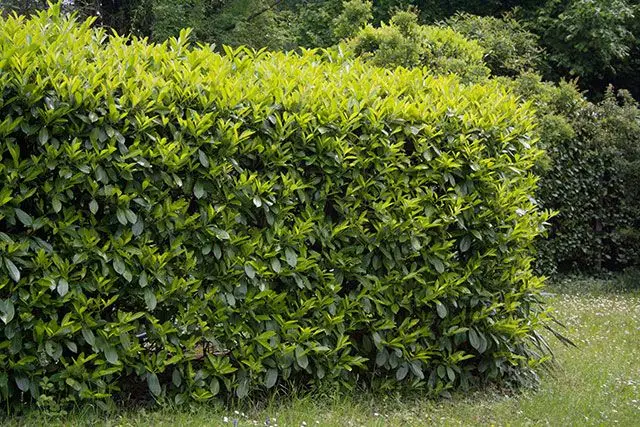
Best Hedges for Privacy in UK Gardens
Compare the best hedge plants for privacy in UK gardens, including evergreen, fast-growing and seasonal options for different soils, sites and screening needs

Best Time to Trim Hedges in the UK: A Comprehensive Guide
Best time to trim hedges in the UK explained: seasonal timing, nesting bird rules, hedge types, tools and aftercare. Get a neat, healthy hedge all year.
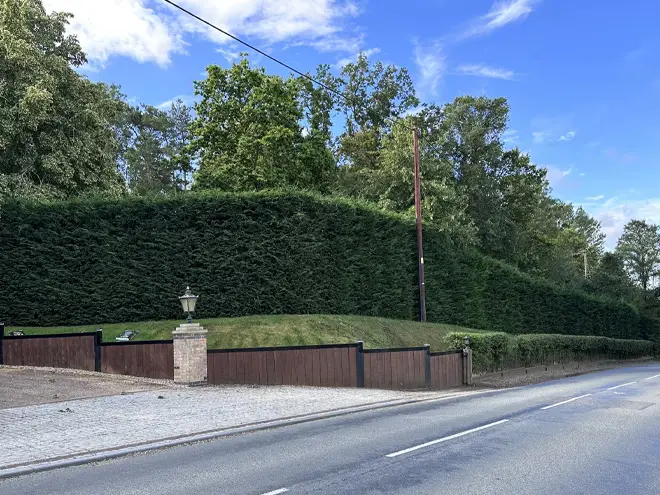
Fast Growing Hedge Plants – Best Choices for Quick Privacy and Year Round Coverage
Need quick privacy in the garden? Discover the best fast growing hedging plants and simple tips to establish a dense, healthy screen fast.
More Hawthorn questions
Useful answers from our Hawthorn hedging knowledge base.
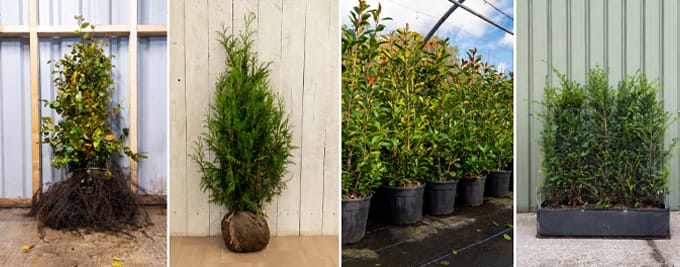
What Are the Different Hedging Root Types?
Bare root, root ball, pot-grown and instant hedging suit different budgets, planting times and levels of initial coverage. Understanding how each is supplied makes it easier to choose the right format for your project.
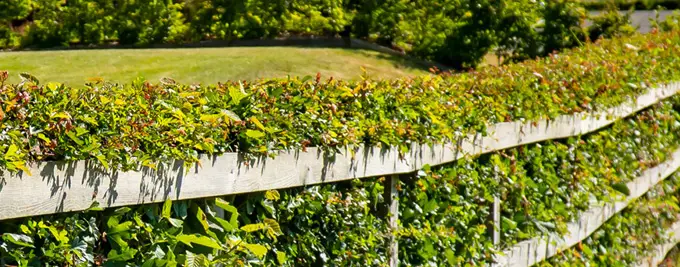
Which Native UK Hedging Plants Suit an Informal Country Garden?
An informal country garden suits hedging with varied foliage, flowers, berries and a softer outline than a tightly clipped formal boundary. The right combination depends on the available space, soil, exposure and whether thorns…