
Holly Hedge: Planting, Care & Best Uses for Ilex aquifolium
Key Takeaways
English holly (Ilex aquifolium) creates slow-growing, evergreen hedges with glossy, spiky leaves, white spring flowers and vibrant red berries, perfect for secure, wildlife-friendly boundaries that provide year round privacy
Holly hedges tolerate conditions from full sun to full shade and adapt to most well-drained soil types, including coastal and windy sites, but struggle in waterlogged ground
Both male and female plants must be planted nearby for reliable berry production, with berries being poisonous to humans but valuable winter food for birds
Plant holly hedge plants from late autumn to early spring (November-March), spacing them 30-45 cm apart with rabbit protection where needed
Holly hedges require minimal maintenance with just one annual pruning session in late winter, can be renovated if neglected, and provide decades of low-maintenance screening
Guide contents
- 1. What is Holly Hedging?
- 2. Why choose Holly for hedging?
- 3. Best Holly Species and Varieties for Hedges
- 4. Site Conditions & Soil Requirements
- 5. How to Plants A Holly Hedge
- 6. Growth Rate, Height & Spacing Expectations
- 7. Pruning & Ongoing Maintenance
- 8. Holly Hedge Benefits for Wildlife & Security
- 9. Common Problems, Pests & Safety Considerations
- 10. FAQ: Holly Hedge
What Is a Holly Hedge? (Ilex aquifolium Overview)
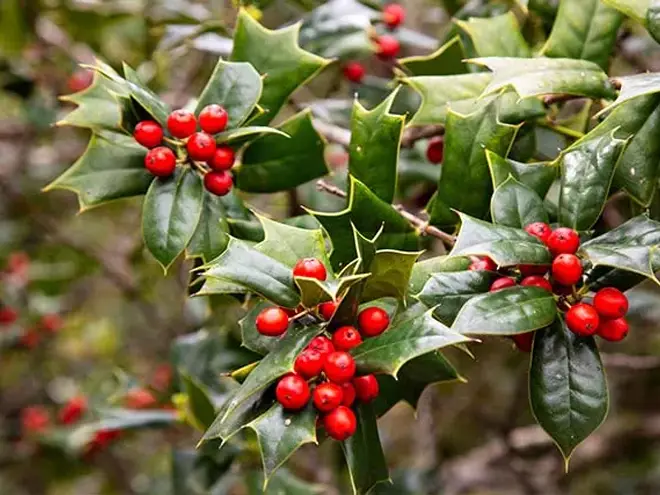
A holly hedge consists of English holly plants (Ilex aquifolium) grown closely together to form a dense, evergreen boundary that provides year round interest and security. These traditional hedging plants create living barriers that combine practical benefits with ornamental value throughout all seasons.
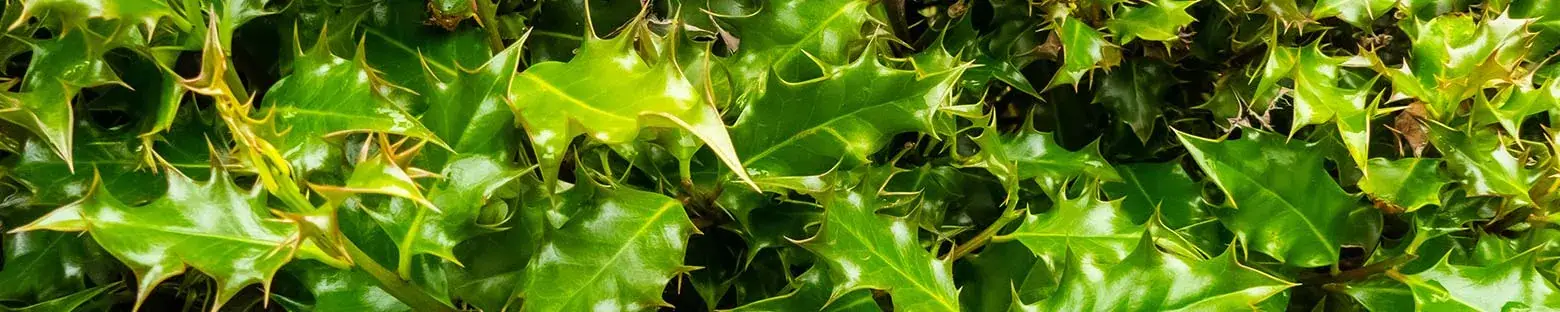
The foliage of holly ilex aquifolium features dark green leaves that are distinctively glossy and leathery, with sharp spiny edges that make them instantly recognizable. Each leaf displays a deep green upper surface with a lighter underside, creating subtle color variation in the dense hedge. While some cultivated varieties offer softer spines or variegated leaves, classic English holly maintains its characteristically prickly nature.
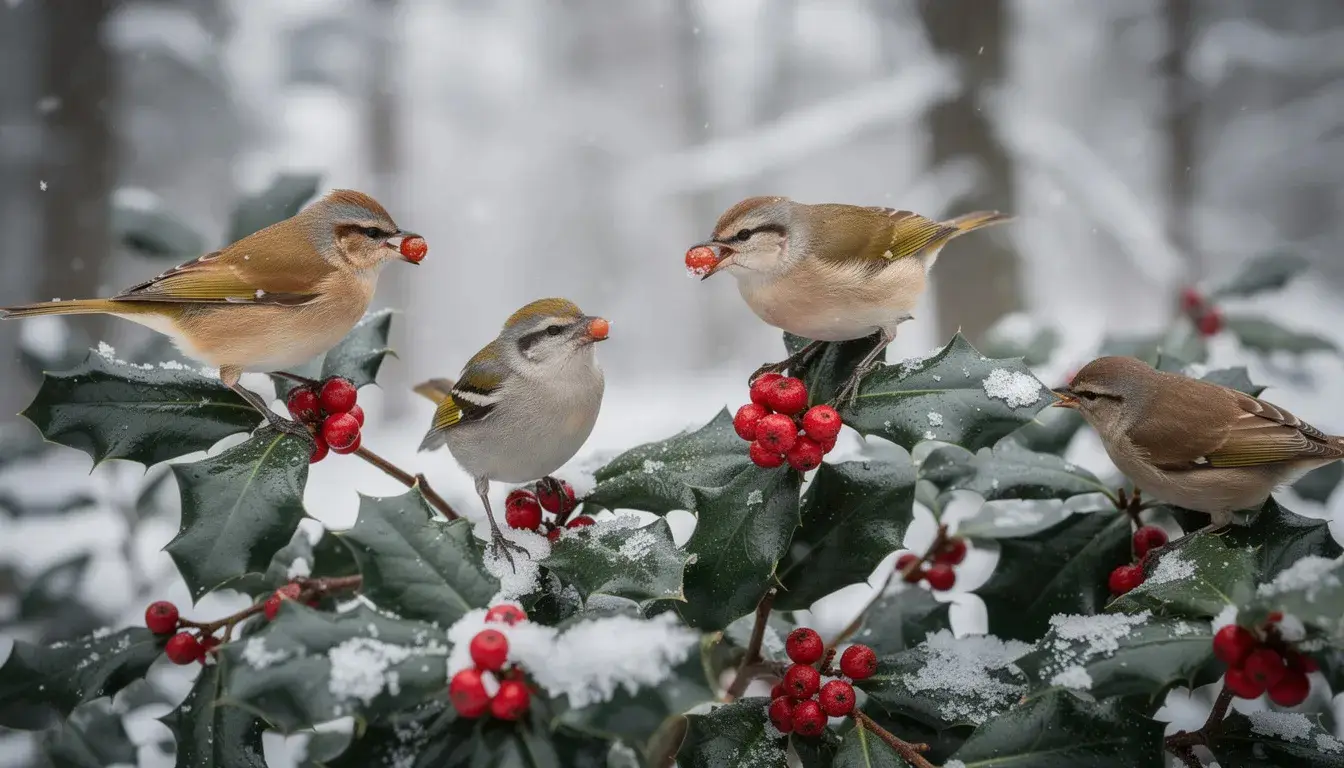
Throughout the growing season, holly provides changing seasonal displays. In late spring, small white flowers appear in clusters, offering a delicate fragrance and attracting pollinators. These blooms develop into the famous bright red berries that persist from early autumn through the winter months, creating striking Christmas-time color when many other plants look dormant.
English holly naturally grows in a bushy, upright habit that responds well to training. For garden hedge applications, holly hedges are typically maintained between 1.5-4 meters in height, though untrimmed specimens can eventually reach 6-8 meters over many decades. This manageable growth makes it suitable for both suburban boundaries and larger estate plantings.
Understanding holly’s dioecious nature is crucial for successful hedging. Holly plants are either male or female, with only female plants producing the decorative berries. To ensure reliable berry production, female plants need a compatible male within approximately 30-50 meters for proper pollination.
Why Choose Holly for Hedging?
Holly hedge represents one of Britain’s most traditional hedging choices, successfully combining robust security features with aesthetic appeal and substantial wildlife friendly benefits. This versatile evergreen has earned its reputation through centuries of reliable performance in diverse garden settings.The security benefits of a holly hedge are immediately apparent to anyone who encounters the spiky leaves. A mature hedge standing 1.8-2 meters tall creates an effective living barrier that discourages both human intruders and unwanted animals. The dense growth pattern combined with sharp spines makes pushing through or climbing over significantly more challenging than with many alternative hedge plants.Year round privacy represents another major advantage of evergreen foliage. While deciduous hedges lose their screening capability during winter months, holly maintains its dense coverage even in January and February. This consistent visual barrier proves particularly valuable along property boundaries, around gardens, and where year round screening from neighbors or roads is desired.The ornamental value of Holly – Ilex aquifolium extends well beyond its practical benefits. The classic winter combination of red berries against dark green leaves creates a naturally festive appearance that works beautifully as a backdrop for seasonal decorations and winter-flowering plants like hellebores. This visual appeal transforms a functional boundary into an attractive garden feature.
Wildlife support makes holly hedges particularly valuable for environmentally conscious gardeners. The small white flowers provide nectar for bees, hoverflies, and other pollinators during late spring when food sources are crucial. During the harsh winter months from December through February, the abundant berries sustain thrushes, blackbirds, redwings, and numerous other bird species through lean periods when natural food is scarce.Perhaps most importantly, holly’s reputation for longevity and little maintenance makes it an excellent long-term investment. Once established over the first 3-5 years, a holly hedge can provide reliable service for many decades with only annual pruning required. This durability and low ongoing care requirement often makes holly more cost-effective than faster-growing alternatives that may need replacement or extensive renovation.Best Holly Species and Varieties for Hedges
English holly (Ilex aquifolium) stands as the classic choice for traditional hedging applications, offering the ideal combination of hardiness, security features, and native wildlife value. This species has adapted perfectly to British growing conditions over thousands of years, making it exceptionally reliable across diverse garden situations.
The standard Ilex aquifolium exhibits all the characteristics that make holly legendary: extremely spiny leaves that provide excellent security, abundant berry production on female plants, and remarkable tolerance to challenging growing conditions. Its native status means it supports local ecosystems more effectively than non-native alternatives while requiring no special care to thrive in typical British weather patterns.
For gardeners seeking decorative variations, variegated holly forms like ‘Argenteomarginata’ offer cream-edged leaves that can brighten darker garden areas. These variegated leaves create interesting visual texture in mixed plantings, though they typically demonstrate slightly slower growth rates and may produce less dense coverage compared to plain green varieties. The lighter foliage can be particularly effective in north-facing locations where additional brightness is welcome.
When planning berry production, including appropriate male pollinators becomes essential for success. Male holly plants don’t produce berries themselves but are required to pollinate nearby female plants. Generally, one male plant can service several female plants within a 300-500 meter radius, so even a predominantly female hedge needs only occasional male plants to ensure good berry production throughout.
Site Conditions & Soil Requirements
Holly demonstrates remarkable adaptability to various growing conditions, but understanding its preferences helps ensure optimal healthy growth and longevity. Proper site selection contributes significantly to establishing a robust hedge that will thrive for decades with minimal intervention.
Light tolerance represents one of holly’s greatest strengths for garden planning. Holly hedge plants perform well in full sun, partial shade, and even considerable shade under existing trees. While extremely dense shade may slow growth rates and reduce berry production, holly’s shade tolerance makes it valuable for difficult areas where many other hedge plants struggle to establish.
Regarding soil types, holly shows impressive flexibility across normal soil conditions. The species thrives in moist, well-drained loam but successfully adapts to light clay soils, sandy conditions, and chalky ground provided drainage remains adequate. This adaptability means holly works in most typical garden situations without requiring extensive soil amendments.
The soil pH tolerance of English holly spans from slightly acidic to slightly alkaline conditions, covering the range found in most British gardens. This broad tolerance eliminates the need for pH adjustment in most cases, though extremely alkaline chalky soils might benefit from organic matter incorporation to improve structure and moisture retention.
Holly’s tolerance of harsh winds, pollution, and salt-laden air makes it exceptionally suitable for coastal areas and exposed rural locations. This resilience extends to urban environments where air pollution and reflected heat from buildings can stress less tolerant species. These characteristics make holly particularly valuable for boundary hedges in challenging locations.
However, drainage represents the critical factor for holly success. While the species tolerates various soil types, it absolutely cannot tolerate waterlogged conditions, especially during winter months. Heavy clay soils that remain saturated should be improved with drainage systems or raised planting beds to prevent root rot. In problematic areas, incorporating coarse organic matter and creating raised planting ridges helps ensure proper drainage around the robust root system.
How to Plant a Holly Hedge
Successful holly hedge establishment begins with proper timing, ideally during the dormant season from late autumn through early spring. In British conditions, November through March provides the optimal planting window, avoiding both frozen ground and the stress of summer heat while allowing root development before the next growing season.
The choice between bare root, root-balled, and pot grown plants affects both cost and planting flexibility. Bare root holly plants offer the most economical option and are typically available from November through February, providing excellent establishment rates when planted during their dormant period. Root-balled specimens bridge the gap between bare root economy and container convenience, while pot grown plants allow year round planting flexibility, though summer planting requires more intensive watering.
Proper spacing determines both establishment speed and final hedge density. For most applications, spacing holly plants 30-45 cm apart creates an ideal balance between rapid infill and long-term health. Closer spacing at 30 cm produces faster hedge formation but may require earlier thinning, while 45 cm spacing suits larger, more informal hedges where individual plant character can develop.
Soil preparation significantly impacts establishment success and long-term hedge performance. Rather than digging individual holes, preparing a continuous trench along the hedge line ensures consistent growing conditions and encourages lateral root development. Remove all perennial weeds thoroughly, incorporate well-rotted compost or aged manure or Rootgrow and break up any compacted soil layers to create optimal conditions for the developing root system.
Plant each holly at the same depth it grew in the nursery, avoiding both shallow planting that exposes roots and deep planting that can suffocate the root system. Gently spread roots of bare root plants, firm soil around each plant without compacting excessively, and water thoroughly to settle soil around roots. Apply a 5-7 cm layer of organic mulch like composted bark or leaf mould, keeping mulch away from plant stems to prevent pest problems.
In areas with significant rabbit or deer pressure, protection becomes essential for young holly plants. Spiral guards work well for smaller plants, while taller specimens may require temporary wire mesh or fencing. These guards typically need to remain in place for 2-3 years until plants develop sufficient height and stem strength to resist browsing damage.
First-year aftercare proves critical for establishment success. Water newly planted hedges regularly during dry spells in the first two summers, maintaining soil moisture without waterlogging. Keep a 30-45 cm weed-free zone along the hedge base to reduce competition and aid establishment, using hand weeding or careful hoeing to avoid damaging shallow roots.
Holly Hedges benefit from a top dress of granular long lasting hedge fertiliser applied from February onwards
Growth Rate, Height & Spacing Expectations
Understanding holly’s characteristically slow growth rate helps set realistic expectations for hedge development and maturity. While this measured pace requires patience compared to faster alternatives, the resulting density and longevity typically justify the wait for most garden applications.
English holly typically produces 10-20 cm of new growth annually under average garden conditions. In optimal circumstances with rich, moist soil and regular feeding, growth rates may reach 20-25 cm per year, while poor soils or challenging sites might see growth rates closer to the 10 cm minimum. This consistency allows predictable planning for desired hedge heights and maintenance schedules.
Timeline expectations for holly hedge development require a long-term perspective. Starting with plants around 40-60 cm tall at planting, a functional 1.5-2 meter privacy hedge typically develops over 4-7 years. This timeframe assumes regular care including watering during establishment, annual feeding, and appropriate pruning to encourage dense growth from the base upward.
Most domestic holly hedges are maintained between 1.5-2.5 meters for practical privacy screening while remaining manageable for annual maintenance. However, holly readily tolerates training to various heights from 1 meter for low boundaries up to 4 meters for substantial screening. Untrimmed plants eventually become small trees, demonstrating holly’s versatility across different garden scales.
For gardens with space and budget for faster establishment, double-row planting offers an alternative approach. Staggered rows spaced 30-40 cm apart with plants offset between rows can create fuller hedges more quickly, though this approach requires more plants and careful pruning to maintain an integrated appearance rather than two separate hedge lines.
Supporting care enhances holly hedge performance and longevity. Apply a balanced, slow-release fertiliser like Hedge Feed in early spring to support the growing season’s development, particularly beneficial during the first 5-7 years while hedges are establishing. Maintaining an organic mulch layer helps conserve moisture, suppress weeds, and gradually improve soil structure as organic matter decomposes.
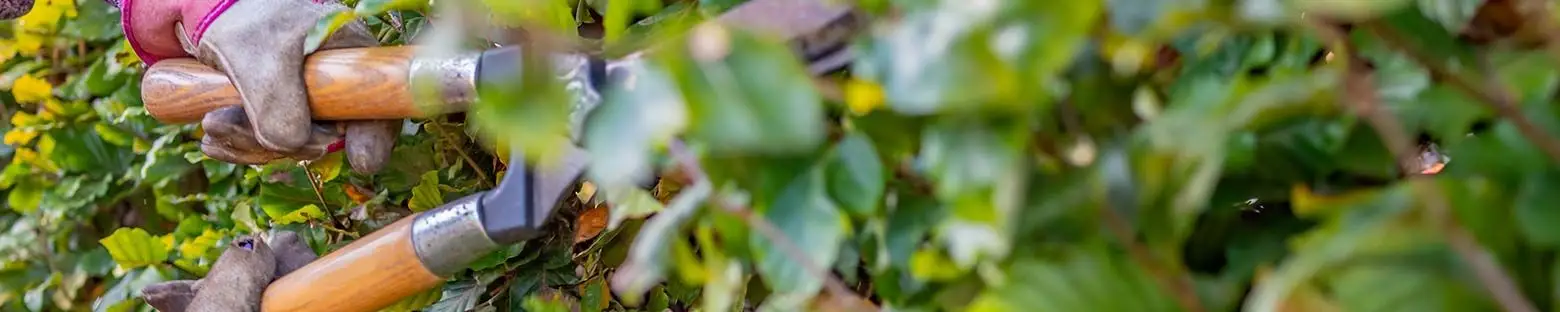
Safety considerations become paramount when working with holly due to its aggressive spines. Heavy gloves, eye protection, and long sleeves are essential for pruning work, especially on mature hedges where reaching through spiky branches becomes necessary. Take time for careful positioning and tool handling to avoid puncture injuries from the sharp spines that give holly its security value.
Pruning & Ongoing Maintenance
Holly’s reputation for little maintenance stems largely from its modest pruning requirements and general freedom from serious pest problems. Understanding proper timing and techniques ensures healthy growth while maintaining the desired shape and density over many decades.The optimal pruning window for holly extends through late winter into early spring while plants remain dormant. This timing, typically February through early March in most British locations, allows shaping before new growth begins while avoiding removal of developing flower buds that will produce the next season’s berries. Some gardeners prefer waiting until after birds have consumed winter berries, usually by late February, to maximize wildlife benefits.Formative pruning during the first 2-3 years after planting establishes the foundation for a well-structured hedge. Light trimming encourages branching from the base upward, creating the dense coverage that makes holly hedging so effective. During this period, focus on removing any damaged branches and lightly tipping longer shoots to promote side branching rather than aggressive shaping.Annual pruning of established holly hedges typically requires just one session per year to maintain height and width within desired bounds. Sharp secateurs work well for precision work on individual branches, while hedge trimmers can handle larger areas efficiently. Always use sharp tools to create clean cuts that heal quickly, and avoid pruning during extremely hot or dry periods when plants are stressed.Holly’s remarkable ability to regenerate from old wood makes renovation pruning possible even on severely neglected hedges. Overgrown or leggy hedges can be cut back hard over 2-3 winters, with holly generally responding by producing new shoots from mature stems. This resilience means even poorly maintained hedges can often be restored rather than replaced.Holly Hedge Benefits for Wildlife & Security
Holly hedges serve dual purposes as both wildlife habitat and security barriers, creating living infrastructure that supports biodiversity while providing practical boundary solutions. This combination makes holly particularly valuable for environmentally conscious property owners seeking functional landscaping.Dense evergreen foliage provides year-round nesting and roosting sites that many garden birds depend upon, especially during harsh winter months when other shelter options become scarce. The branching structure and spiny leaves create secure nesting sites protected from predators, with holly hedges supporting higher nesting densities compared to many alternative hedge species.Berry production transforms holly hedges into crucial winter food sources when natural foraging becomes challenging. From early autumn through late winter, the bright red berries sustain blackbirds, thrushes, redwings, fieldfares, and numerous other species through the leanest months. This extended fruiting period makes holly particularly valuable compared to plants with brief fruiting seasons.Beyond birds, holly supports specialized invertebrate communities including the Holly Blue butterfly, whose caterpillars feed exclusively on holly flowers and developing berries. Various beetles, spiders, and other invertebrates use holly hedges for shelter and breeding sites, creating complex food webs that support broader garden biodiversity.
The microclimate created by dense hedge growth provides shelter from harsh winds and frost that benefits wildlife throughout the hedge ecosystem. Ground-dwelling species like hedgehogs, amphibians, and small mammals utilize the protected zone along hedge bases, particularly valuable during winter months when exposure can be fatal.From a security perspective, the combination of height and aggressive spiny leaves makes holly exceptionally effective at discouraging unauthorized access. A mature hedge standing 1.8-2 meters tall with dense coverage creates both physical and psychological barriers that are significantly more challenging to breach than most fencing alternatives.The natural appearance of holly hedging provides boundary definition without the harsh visual impact of solid fencing, maintaining neighborly relations while achieving privacy and security goals. This softer approach often proves more acceptable in residential areas where tall fencing might create disputes or planning concerns.Common Problems, Pests & Safety Considerations
Despite holly’s generally robust nature and long-term reliability, several issues can affect establishment and ongoing health. Understanding these potential problems enables early recognition and appropriate responses to maintain healthy hedges over many decades.Leaf problems occasionally develop, with holly leaf miner being the most commonly observed pest issue. This small fly larva creates distinctive winding tunnels within leaves, leaving visible pale trails but rarely causing serious plant damage. Scale insects can occasionally establish on stressed plants, creating sooty mould deposits on leaf surfaces. Both issues typically resolve with improved growing conditions rather than requiring chemical intervention.Root and stem problems pose more serious threats, particularly root rot in poorly drained soils. Waterlogged conditions during winter months can cause root system damage that may not become apparent until spring growth fails to develop normally. Prevention through proper site preparation and drainage proves far more effective than attempting treatment once root rot establishes.Environmental stress factors can affect young plants during their establishment period. Newly planted holly may experience leaf scorch in extremely hot, sunny, or windy locations before root systems develop sufficiently to support top growth. Providing temporary windbreaks or partial shading during the first summer can prevent establishment problems in challenging sites.Understanding berry toxicity is essential for families with young children or pets. Holly berries contain saponins that are poisonous to humans and domestic animals if consumed in quantity. While birds safely digest these berries, children and pets should be kept away from fallen berries, and parents should educate children about not eating any wild berries. The bitter taste usually prevents serious consumption, but awareness remains important.
Handling safety requires proper precautions due to holly’s sharp spines that can easily puncture skin and clothing. Always wear thick gloves, eye protection, and long sleeves when pruning or maintaining holly hedges. The spines can cause painful injuries and may introduce bacteria into wounds, so clean any punctures thoroughly and monitor for signs of infection.Despite these considerations, holly’s overall health record remains excellent, with most hedges experiencing few serious problems over their decades-long lifespan. Proper site selection, good establishment practices, and awareness of potential issues usually ensure trouble-free holly hedge performance for generations.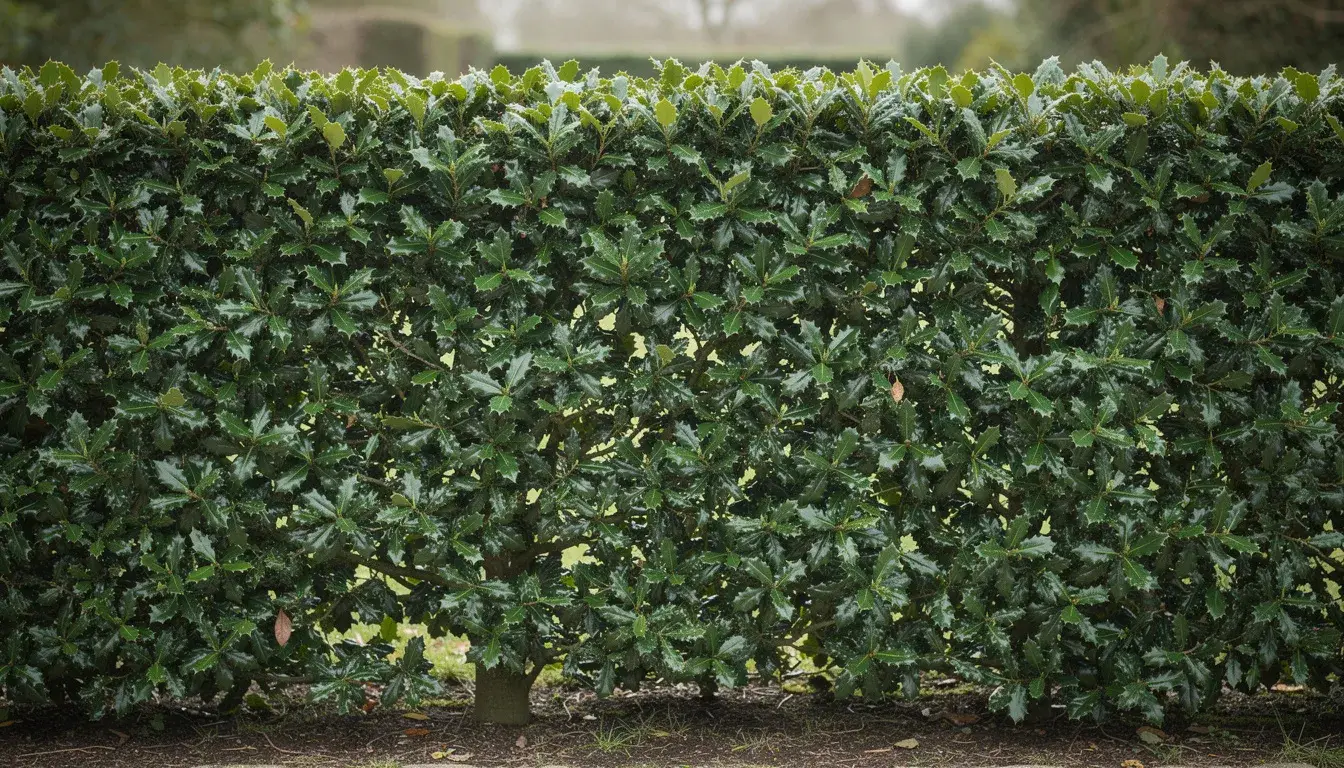
FAQ: Holly Hedge
Do I need both male and female holly plants in my hedge to get berries?
Yes, holly plants are either male or female, and only female plants produce the decorative berries. However, female plants must be pollinated by a nearby male plant to set fruit. Generally, one male holly within 30-50 meters can pollinate several female plants effectively. For reliable berry production, include approximately one male plant for every 4-5 females in your hedge planning.
How close to a boundary or wall can I plant a holly hedge?
Plant holly hedges at least 45-60 cm away from fences, walls, or property boundaries to allow adequate space for growth and future maintenance access. This spacing also reduces root competition with building foundations and ensures good air circulation around plants. Remember that holly can be legally considered a boundary feature, so check local regulations regarding hedge height limits near neighboring properties.
Can I grow a holly hedge in containers on a patio or balcony?
Holly can grow in large containers using quality, loam-based compost, but container hedging requires intensive management. Potted holly needs very regular watering, seasonal feeding, and eventual root pruning to prevent plants becoming pot-bound. Container hedges won’t achieve the same size or longevity as ground-planted hedges and work best for temporary screening or small decorative barriers rather than permanent privacy solutions.
Is holly suitable for very small gardens?
Holly works well in small gardens when varieties are chosen carefully and height is controlled through annual pruning. Keep hedges at 1-1.5 meters height for narrow plots, and consider the slow growth rate means the hedge won’t quickly overwhelm small spaces. Variegated forms can add brightness to confined areas, while the evergreen nature provides year-round structure that many small gardens benefit from.
How long does a holly hedge live?
With proper care and suitable growing conditions, holly hedges commonly live 50+ years and often much longer, effectively becoming permanent garden features. Some historic holly hedges are known to be over 100 years old and still thriving. This exceptional longevity makes holly an excellent long-term investment, often outlasting multiple generations of property ownership while requiring minimal replacement or major renovation work.