
Photinia Red Robin Problems, Pests & Diseases
Photinia Red Robin, a versatile and visually striking shrub, has gained immense popularity among gardening enthusiasts and landscape designers for its bright red young leaves that mature into a deep, glossy green. Its tiny white flowers that bloom in the spring season further add to the charm of this evergreen shrub, making it an ideal choice for hedging, privacy screening, or simply adding a pop of colour to the garden. However, like any other plant species, Photinia Red Robin is not without its share of challenges problems.
In this hedging guide, we will explore common photinia red robin problems faced by gardeners in the UK while growing this plant, and discuss the identification and treatment of diseases and pests that can afflict this beautiful plant. Moreover, we will also delve into alternative hedging and screening plants, offering options that are disease-resistant, cold-hardy, and low-maintenance, ensuring you have a variety of choices for your garden.
For complete advice on planting, pruning, watering, feeding and general care, read our Photinia Red Robin Hedging Care Guide.

Overview of Photnia red robin common problems in the UK
Despite its widespread use and availability in the UK, Photinia Red Robin is often underappreciated due to misconceptions about its susceptibility to diseases and issues related to its care. While it is true that this plant can encounter certain problems, understanding these challenges and addressing them in a timely manner can help maintain healthy plants that will thrive in your garden.
Some of the most common issues faced by gardeners while growing Photinia Red Robin in the UK include leaf spot, fireblight, powdery mildew, frost damage, and root rot. In the following sections, we will explore these problems in detail, providing valuable insights on identifying symptoms and offering effective solutions to ensure the well-being of your Photinia Red Robin plants.
Identifying and dealing with Photinia Red Robin diseases and pests
Early identification and treatment of diseases and pests are crucial in preventing further damage to your Photinia Red Robin plants, as well as safeguarding the overall health of your garden. By being vigilant and proactive, you can tackle these issues head-on and ensure that your plants remain vibrant and robust.
In the following subsections, we will delve deeper into specific diseases and pests that can affect Photinia Red Robin, examining their symptoms, causes, and offering effective treatment options. Armed with this knowledge, you can protect your beautiful plants from these unwelcome intruders and enjoy the stunning visual appeal they bring to your garden.
Leaf Spot Disease
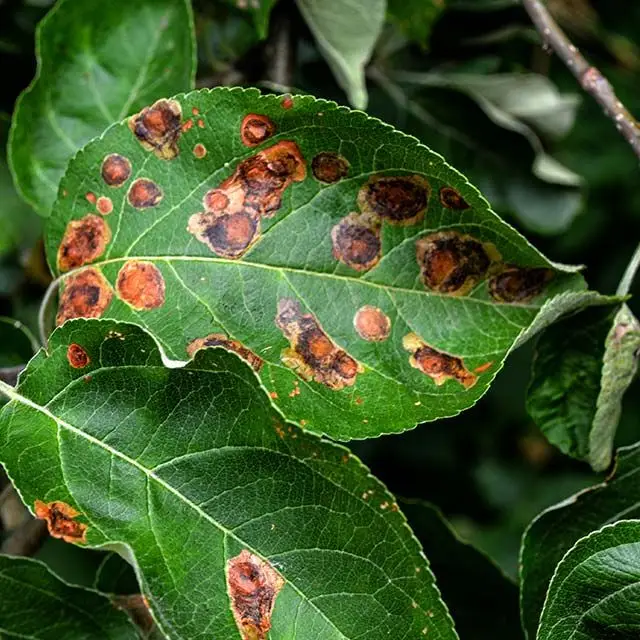
Leaf spot disease, caused by the fungus Entomosporium maculatum, is a common issue faced by Photinia Red Robin growers, particularly in moist climates. This fungal disease presents itself as small, circular, red spots on both the upper and lower surfaces of new leaves, which can eventually merge to form larger, maroon blotches on heavily diseased leaves. Mature leaves usually develop spots. These spots are dark brown or gray in color. They are surrounded by reddish-purple rings.
To treat leaf spot disease in Photinia Red Robin, it is crucial to act promptly. If the plant is only partially affected, remove the damaged leaves and burn them to prevent the spread of fungal spores. Additionally, prune back hard in mid-May, which provides the plant with sufficient time to recover with the onset of summer.
It is also advisable to plant healthy plants in an isolated location, away from other plants with red tips, to prevent the spread of the disease.
Rust and leaf spot are two fungal diseases that affect privets. Both cause spots or discolouration on the leaves of the plants, but can be distinguished by their colour — rust is reddish-orange in appearance, while leaf spots are usually yellow or brown.
If caught early, these problems can often be resolved with fungicides. However, it is important to thoroughly cover all affected areas in order to prevent further infections.
Fireblight
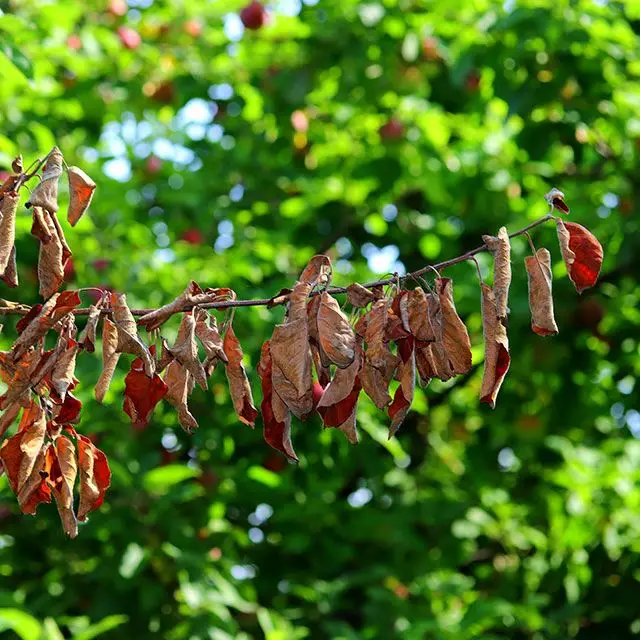
Fireblight is a bacterial disease that affects the leaves, stems, and fruit of Photinia Red Robin, causing the leaves to turn brown or black and new shoots to appear scorched. The initial indication of fire blight is a light tan to reddish, watery ooze coming from the affected leaf node branch, twig, or trunk.
The most effective way to treat fireblight on Photinia Red Robin is to prune away affected leaves and stems, ensuring that you cut back to healthy wood to prevent the spread of the infection.
Once you have removed the infected parts, apply a copper fungicide to protect the remaining healthy tissue and prevent the reoccurrence of the disease.
Powdery Mildew
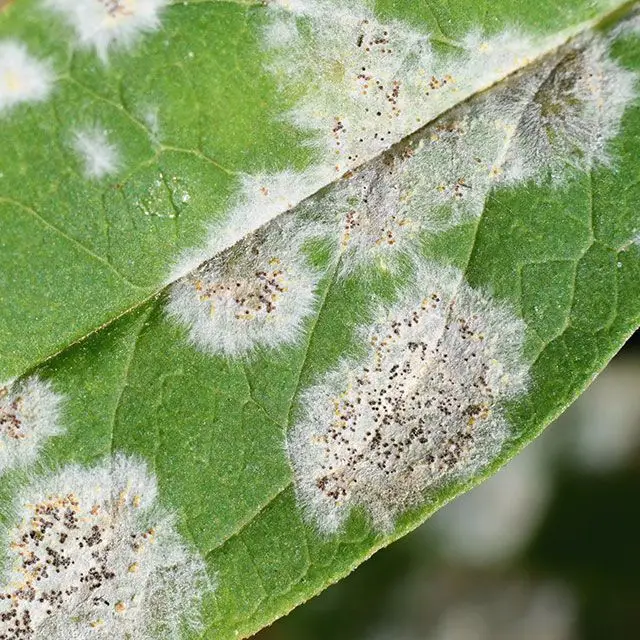
Powdery mildew is a fungal disease that manifests as white, powdery patches on the leaves and stems of Photinia Red Robin. If left untreated, the infection can spread to more leaves, fruit, and even small twiggy growth, causing significant damage to the plant.
To address powdery mildew, apply fungicides such as sulfur, neem oil, or potassium bicarbonate to the affected areas. Additionally, remove infected parts of the plant to prevent the spread of the disease.
To avoid powdery mildew in the future, maintain the foliage dry, ensure sufficient air circulation space plants, and prevent overcrowding of plants.
Frost Damage
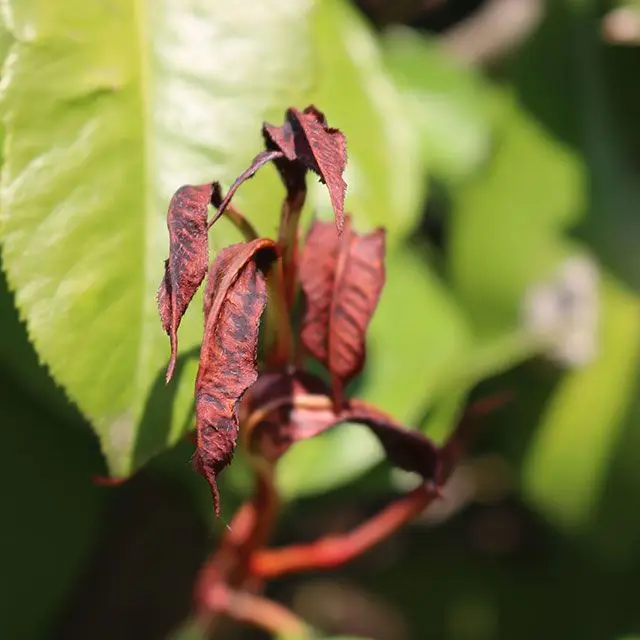
Frost can cause significant damage to Photinia Red Robin plants, leading to the discoloration and wilting of leaves. Frost damage is particularly harmful to young shoots and plants that are not yet well established.
To prevent frost damage, it is advisable to position the plant in sheltered areas, shielded from cold winds. Providing adequate protection to specimen plant from frost will ensure that your Photinia Red Robin plants can continue to thrive and maintain their vibrant appearance throughout the year.
Root Rot
Root rot, a fungal disease caused by Phytophthora sp., affects the roots of Photinia Red Robin and is primarily caused by an accumulation of moisture in the soil or flooding. Symptoms of root rot include the yellowing of leaves and wilting of stems, indicating a weakened root system.
To treat and prevent root rot, it is essential to improve soil drainage and reduce the frequency of watering. Ensuring that your Photinia Red Robin plants have the proper soil moisture conditions and watering schedule can help to prevent this damaging disease and keep your plants healthy and strong.
Alternative Hedging and Screening Plants
While Photinia Red Robin is a popular choice for hedging and screening, it may not always be the most suitable option for every garden. Various factors, such as susceptibility to diseases, pests, or frost, can prompt you to consider alternative plants that better suit your needs.
In the following subsections, we will explore disease-resistant, cold-hardy, and low-maintenance alternatives to Photinia Red Robin, offering a variety of choices for your garden.
Disease-Resistant Options
If you are concerned about the potential diseases that can affect Photinia Red Robin, consider opting for disease-resistant plants such as holly hedges and laurel hedge plants.
These plants not only exhibit resistance to common diseases like leaf spot, but also offer an attractive appearance and similar functionality as Photinia Red Robin in terms of hedging and screening.
By selecting disease-resistant plants, you can enjoy the benefits of a beautiful and functional garden without the added worry of frequent disease management.
Plus, these alternatives can contribute to a diverse and visually engaging landscape, enhancing the overall appeal of your outdoor space.
Cold-Hardy Choices
Cold-hardy plant options are ideal for gardeners who experience harsh winters or live in regions with lower temperatures. Hedge plants like Box or Buxus hedges, Holly hedges, Yew hedges, Field maple hedges and Hawthorn hedges can withstand cold temperatures and continue to thrive despite challenging, wet weather or conditions.
Incorporating cold-hardy choices into your garden not only ensures that your plants remain healthy and vibrant throughout the year, but also offers a low-maintenance alternative to Photinia Red Robin.
By selecting plants that can endure the cold, you can create a stunning and resilient garden landscape that withstands the test of time.
Low-Maintenance Alternatives
For gardeners seeking low-maintenance alternatives to Photinia Red Robin, plants such as Common Privet, Yew Hedges and Euonymus Green Spire offer an appealing solution. These evergreen shrubs are easy to care for, can tolerate a wide range of soil types, and are resistant to many common pests and diseases.
Choosing low-maintenance alternatives not only reduces the time and effort required to maintain a thriving garden, but also allows you to focus on enjoying the beauty and tranquility of your outdoor space. By opting for easy-care plants, you can create a stunning garden landscape without the hassle of constant upkeep.
Summary
In summary, while Photinia Red Robin hedge plants are a popular and visually appealing choice for hedging and screening in the UK, it is essential to be aware of the potential problems that can arise, such as leaf spot, fireblight, powdery mildew, frost damage, and root rot. Early identification and treatment of these issues are key to maintaining healthy plants and a vibrant garden landscape.
By exploring alternative hedging and screening plants, including disease-resistant, cold-hardy, and low-maintenance options, you can create a diverse and resilient garden that suits your unique needs and preferences. Whether you choose to stick with Photinia Red Robin or explore other options, the key to a thriving garden lies in understanding the challenges and making informed decisions to ensure the well-being of your plants.
Frequently Asked Questions About Photinia Red Robin Problems
Why Are the Leaves on My Photinia Red Robin Turning Brown?
Brown leaves can result from several different problems, including frost damage, cold or drying winds, drought, waterlogged soil and root stress.
Check when and where the browning appeared. Damage concentrated on exposed outer growth after cold weather is likely to be weather-related. Browning accompanied by persistently wet soil, yellowing leaves or wilting may indicate poor drainage or damage to the roots.
Do not assume the plant needs more water without first checking the soil below the surface. Photinia prefers moist but well-drained ground and can struggle in soil that remains saturated.
Why Does My Photinia Red Robin Have Black or Purple Spots on Its Leaves?
Dark red, purple, brown or black spots can be signs of Photinia leaf spot. The problem is often more noticeable after prolonged wet weather, during cold winters or when a recently planted hedge is under stress.
Remove badly affected fallen leaves from beneath the plant and avoid repeatedly wetting the foliage when watering. Improve air circulation where the hedge is very dense and make sure the soil drains freely.
A small amount of spotting does not necessarily mean the whole hedge will be lost. Monitor the plant for fresh, healthy growth as conditions improve.
Why Is My Photinia Red Robin Losing Its Leaves?
Photinia Red Robin is evergreen, but it can still shed leaves when stressed. Possible causes include transplant shock, dry roots, waterlogging, frost, cold winds, leaf spot or a sudden change in growing conditions.
Some older leaves are naturally replaced as new growth develops. Heavy or continuing leaf loss should prompt you to check the soil moisture, drainage, planting depth and condition of the stems.
Recently planted large specimens can take longer to establish and may shed more foliage than smaller plants.
Does Photinia Red Robin Lose Its Leaves in Winter?
Photinia Red Robin is an evergreen shrub and should normally retain foliage throughout the winter. It is not a deciduous plant.
Some leaves may still fall following frost, cold winds, prolonged wet weather or other stress. Exposed new growth is particularly vulnerable to late frost and can become brown, scorched or shrivelled.
Healthy plants will often produce replacement foliage during the growing season once the underlying problem has been addressed.
Why Is the New Red Growth Turning Black or Shrivelling?
Soft new shoots can be damaged by late frost or cold, drying winds. Frost damage is often most severe on the top and exposed sides of the hedge.
Shrivelled or blackened shoots can also be associated with fireblight, particularly when individual stems appear scorched and die back rapidly.
Wait until the risk of further frost has passed before removing weather-damaged growth. If the dieback is spreading, affects substantial branches or cannot be clearly linked to frost, seek an accurate diagnosis before carrying out extensive pruning.
What Is the White Powder on My Photinia Leaves?
A white or grey powdery coating may be powdery mildew. It is more likely to develop where plants are crowded, airflow is limited or the roots experience alternating dry and wet conditions.
Remove severely affected foliage, thin congested growth where appropriate and water the soil around the roots rather than wetting the leaves.
Keep the root area consistently moist during dry weather, but do not leave the soil waterlogged.
How Can I Tell Whether My Photinia Has a Root Problem?
Possible signs of root stress include yellowing leaves, wilting despite moist soil, poor new growth, dieback and a general decline across part or all of the plant.
Check whether the soil remains saturated after rain or irrigation. Compacted ground, deep planting and planting holes that collect water can restrict oxygen around the roots.
Reduce watering only when the soil is genuinely too wet. Where drainage is poor, the longer-term solution is to improve the surrounding ground rather than simply adding fertiliser.
Honey fungus and other root diseases can produce similar symptoms. Seek specialist identification if several established plants decline or die without an obvious watering or drainage problem.
What Pests Attack Photinia Red Robin?
Photinia Red Robin is not usually badly affected by pests, but vine weevil may occasionally damage the plant.
Adult vine weevils create notches around leaf edges, while the larvae feed on roots below the soil. Root damage is particularly serious for plants grown in containers.
A few marked leaves do not normally cause major harm. A plant that wilts, loosens in its pot or has damaged roots should be examined more carefully.
Can an Unhealthy Photinia Red Robin Recover?
Many stressed Photinia plants recover when the cause is identified and corrected. Improvement may involve more consistent watering, better drainage, shelter from cold winds, removal of damaged growth or reducing competition around the roots.
Do not remove the entire plant immediately after frost or winter damage. Allow time for dormant buds to produce new growth during spring and early summer.
A plant with extensive dead wood, severe root decay or continuing dieback may not recover. Scratch a small area of bark with a clean tool to check for living green tissue beneath before deciding whether a branch is dead.
When Should I Prune Damaged Photinia Red Robin?
Remove dead, diseased or badly damaged shoots with clean, sharp tools. For frost-damaged growth, wait until the risk of further frost has passed so that fresh cuts and new shoots are not immediately damaged again.
Photinia can be pruned during the growing season to maintain its shape and encourage colourful red foliage. More substantial renovation pruning is generally carried out in spring.
Avoid severe pruning during very hot, dry weather or immediately before freezing conditions.
Should I Feed a Photinia That Is Losing Leaves?
Feed will not solve leaf loss caused by waterlogging, drought, frost, deep planting or diseased roots. Identify and correct the underlying problem first.
Once the plant is actively growing and the roots are functioning normally, a suitable feed can support healthy development when used according to the product instructions.
Apply feed over moist soil around the root area rather than placing concentrated fertiliser against the stems or exposed roots.
How Can I Prevent Photinia Red Robin Problems?
Plant Photinia Red Robin in fertile, well-drained soil in sun or partial shade. A sheltered position helps protect young shoots from cold winds and late frost.
Water thoroughly during establishment, but check the soil before watering again. Keep grass and weeds away from the root area, avoid planting too deeply and leave sufficient space for air to move through the foliage.
Inspect the hedge regularly so that changes in leaf colour, spotting, wilting or dieback can be investigated before the problem becomes widespread.
For complete advice on planting, spacing, watering, feeding and pruning, read our Photinia Red Robin Hedging Care Guide. You can also browse our Photinia Red Robin hedging plants and Photinia Red Robin trees.
For advice beyond planting, including watering through the first two seasons, feeding, pruning, winter foliage, pests and diseases,
visit our Photinia Red Robing Hedge Care Guide .