
Wildlife Hedges
Create a living boundary with wildlife hedges that can provide flowers, fruit, shelter and nesting opportunities. Choose individual native species, mixed wildlife hedging packs or established instant hedging for gardens, rural boundaries and larger planting schemes. Buy directly from our established family-run nursery, supplying retail, trade and commercial customers across the UK.
- Price From £0.95 Shop Now This product has multiple variants. The options may be chosen on the product page
Blackthorn or Sloe is a thorny, native deciduous hedge plant which produces white flowers in spring, followed by attractive green leaves and Sloe's in the autumn.
- Price From £3.50 Shop Now This product has multiple variants. The options may be chosen on the product page
English Holly is an attractive, native evergreen hedging plant with spiky glossy green foliage and produces white flowers in the spring.
- Price From £6.60 Shop Now This product has multiple variants. The options may be chosen on the product page
Field Wildlife Mix is a traditional British mixed hedge that's suitable for most conditions including coastal and windy sites. This mix not only adapts well to various environments but also...
- Price From £7.60 Shop Now This product has multiple variants. The options may be chosen on the product page
Garden Wildlife Hedging Mix is the next step up from the Field Wildlife Hedging Mix, containing some wonderful colours. Simply plant 5 plants per metre in a double staggered row.
- Price From £1.15 Shop Now This product has multiple variants. The options may be chosen on the product page
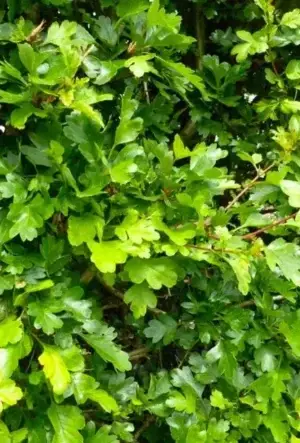
Hawthorn, Quickthorn, Whitethorn or May Hedging also known as Crataegus monogyna is a popular thorny, deciduous hedging species that provides seasonal interest, with pure white flowers in the spring, followed...
 Price From £1.20 Shop Now This product has multiple variants. The options may be chosen on the product page
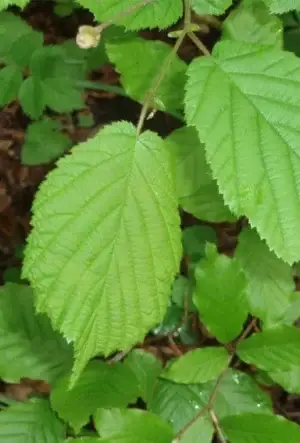
Hazel is an attractive, native, deciduous hedging plant, with large green leaves that turn yellow in the autumn, yellow catkins and edible nuts.
- Price From £139.95 Shop Now This product has multiple variants. The options may be chosen on the product page
CountryHedge is a species rich mixed native hedge supplied pre-clipped in metre long units. It containers Hawthorn, Blackthorn, Field Maple., Hazel, and other native species.
- Price From £3.95 Shop Now This product has multiple variants. The options may be chosen on the product page
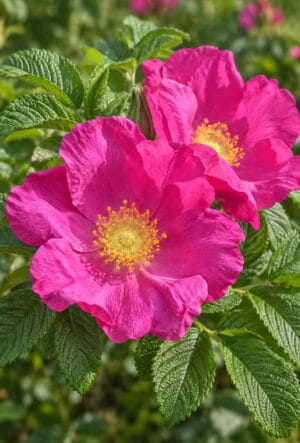
Rosa rugosa is a tough, fast-growing flowering hedge with fragrant pink flowers followed by large orange-red rose hips. Dense, thorny and particularly tolerant of coastal and exposed conditions, it is...



Choosing the Right Wildlife Hedge
The best wildlife hedge will depend on the animals you want to support, the conditions at the planting site and the type of boundary you need.
A mixed hedge can provide different flowering and fruiting periods, varied foliage and a more complex structure. A single-species hedge can still be valuable, particularly when it produces flowers, berries, nuts or dense shelter.
Before choosing, consider:
- The soil type and drainage
- Sun, shade and exposure
- The available height and width
- Whether thorns are suitable for the location
- The amount of screening required
- Whether you want a formal or natural-looking hedge
- How quickly you need the hedge to establish
- Whether young plants will need protection from rabbits or other grazing animals
Use the filters above to compare wildlife hedge plants by growth rate, eventual height, soil type, planting position and plant features.
Mixed Native Hedges for Wildlife
A mixed native hedge combines several complementary species within the same planting line. This can provide a longer season of flowers, fruit, nuts and foliage than a hedge made from one plant alone.
Mixed hedging is particularly suitable for countryside gardens, field boundaries, wildlife projects and customers who want a varied, natural-looking hedge.
Field Wildlife Hedging Mix
Our Field Wildlife Hedging Mix combines familiar native hedgerow species for rural boundaries, exposed sites and larger planting projects.
Its mixture of Hawthorn, Blackthorn, Field Maple and Hazel provides different growth habits and seasonal features. The thorny species also help create a more protective structure once the hedge has developed.
Garden Wildlife Hedging Mix
The Garden Wildlife Hedging Mix contains a broader selection of plants chosen for varied flowers, fruit, foliage and seasonal colour.
It is well suited to domestic gardens where wildlife value and ornamental interest are both important. The different species can provide food and shelter at different points in the year, rather than producing everything during one short period.
Browse all our Native Mixed Hedge Plants or read the Native Mixed Hedging Care Guide for detailed advice on species, spacing, planting and aftercare.
Individual Hedge Plants for Wildlife
Mixed packs are not the only way to create a wildlife-friendly boundary. Individual species can be planted alone or combined in proportions selected for your soil, site and preferred appearance.
Hawthorn Hedging
Hawthorn hedging is a traditional native choice for garden hedges, rural boundaries and mixed planting.
It produces white spring flowers followed by red haws later in the year. Its dense, thorny branching can also provide shelter and potential nesting structure as the hedge matures.
Hawthorn responds well to regular hedge trimming but can also be maintained in a less formal style where flowers and fruit are a priority.
Blackthorn Hedging
Blackthorn hedging produces white flowers before its leaves emerge in spring, followed by dark sloes later in the year.
Its thorny growth makes it useful for robust rural boundaries and protective wildlife hedges. Blackthorn can spread through suckering, so allow enough space and consider whether its growth habit is appropriate for the planting location.
Hawthorn and Blackthorn can be planted together to extend the flowering period and create a varied native hedge.
Hazel Hedging
Hazel hedging has broad deciduous foliage, winter catkins and nuts later in the season.
It is useful as part of a mixed hedge because its larger leaves and branching habit add a different layer of structure. Hazel is less suitable where a narrow, tightly clipped formal hedge is required, but it works well in wider naturalistic boundaries.
English Holly Hedging
English Holly hedging provides evergreen foliage and dense, spiny growth.
Its year-round leaves can provide shelter when deciduous hedges have lost their foliage. Holly also produces small flowers, and female plants may develop berries where suitable pollination is available.
Holly grows more slowly than Hawthorn or Blackthorn, making it better suited to customers who are prepared to wait for a dense evergreen hedge to develop.
Instant Wildlife Hedging
Instant CountryHedge is supplied as established, pre-clipped sections containing a mixture of native hedging species.
It provides greater height, density and structure from planting day than young individual plants. This can be useful where a more established appearance, immediate boundary or quicker habitat structure is required.
Instant hedging still needs carefully prepared ground, correct installation and dependable irrigation. It should not be treated as fully established immediately after planting.
Browse the wider range of Instant Hedging Plants for other established hedge options.
What Makes a Hedge Valuable to Wildlife?
Different parts of a hedge provide different benefits. The most useful wildlife hedge is not necessarily the one with the greatest number of species, but one that suits the site and is allowed to develop a healthy, varied structure.
Flowers for Bees and Other Pollinators
Flowering hedge plants can provide pollen and nectar for bees, butterflies, moths and other insects.
Planting species that flower at different times can extend the period during which food is available. Hawthorn, Blackthorn and Holly flower at different points in spring and early summer, while other species within a mixed hedge may extend the season further.
Very tight or frequent trimming can remove flower buds. Where wildlife value is important, consider leaving some sections less heavily clipped.
Berries, Haws, Sloes and Nuts
Hawthorn haws, Blackthorn sloes, Holly berries and Hazel nuts can provide seasonal food for birds and small mammals.
Fruit production varies with weather, pollination, plant maturity and pruning. A hedge that is repeatedly cut before it flowers or fruits will provide less seasonal food than one managed with wildlife in mind.
Shelter and Nesting Structure
Dense branching and foliage can provide shelter from wind, weather and predators. Thorny plants such as Hawthorn, Blackthorn and Holly can create particularly protective sections within a hedge.
Allowing the hedge enough width helps it develop a layered structure. A very narrow hedge clipped tightly on every side may provide less shelter than a broader hedge with dense growth near the base.
Always check carefully for active nests before trimming and delay work where a hedge is occupied.
Wildlife Corridors
A continuous hedge can help connect different parts of a garden or landscape, allowing wildlife to move between feeding and sheltering areas.
Where practical, avoid sealing every ground-level opening with solid fencing. Small gaps and undisturbed areas beneath or alongside the hedge can help ground-dwelling wildlife move through the garden.
Evergreen or Deciduous Wildlife Hedging?
Most traditional native wildlife hedges are primarily deciduous. Their flowers, fruit, nuts and seasonal foliage can provide significant value even though they lose their leaves in winter.
Evergreen species such as Holly provide year-round foliage and additional winter shelter. Including some evergreen structure within a mixed planting can be useful, but the final mixture should still suit the soil, space and character of the site.
Customers who need dependable year-round screening should also compare our Evergreen Hedging Plants. Remember that an evergreen privacy hedge and a species-rich wildlife hedge serve different primary purposes, although some plants can provide both screening and wildlife value.
Wildlife Hedges for Different Locations
Wildlife Hedges for Domestic Gardens
Garden wildlife hedges can be planted along fences, between neighbouring properties or around seating and growing areas.
For smaller gardens, choose species that can be maintained at the required width. A broad mixed native hedge may provide greater variety but can take up more space than a single-species clipped hedge.
The Garden Wildlife Mix, Hawthorn and Holly are useful options to compare for domestic boundaries.
Wildlife Hedges for Rural Boundaries
Hawthorn, Blackthorn, Hazel and mixed native hedging are well suited to rural and countryside-style planting.
A wider, less formal hedge can develop a more varied structure than one clipped into a narrow rectangular shape. However, access, livestock, public paths and neighbouring land must all be considered when choosing thorny plants.
Wildlife Hedges for Exposed Sites
Some native species can tolerate windy and exposed conditions once established, but young plants still need protection and regular watering.
Use the planting-position filters and check each product page before ordering. Coastal exposure, salt-laden winds, waterlogged soil and dry chalky ground present different challenges and should not be treated as the same condition.
Wildlife Hedges for Larger Projects
Bare root wildlife hedging is particularly useful for long boundaries, countryside planting, developments and commercial landscaping projects during the dormant season.
We supply retail, trade and commercial customers and can help with plant quantities, species choices, root types and planting accessories for larger schemes.
For stewardship planting, see our Countryside Stewardship BN11 Hedging Mix. Check the current scheme requirements and your agreement before ordering for a funded project.
Choosing a Wildlife Hedge by Root Type
Bare Root Wildlife Hedging
Bare Root Hedging Plants are normally supplied during the dormant season.
Bare root Hawthorn, Blackthorn, Hazel and mixed native plants are practical choices for longer hedge lines and larger quantities. They should be kept protected from drying out and planted promptly after delivery.
Small bare root plants will not create immediate shelter, but they can establish into a dense hedge when planted correctly, watered consistently and protected from competition.
Pot-Grown Wildlife Hedging
Pot-Grown Hedging Plants can generally be planted across a wider part of the year, provided the ground is workable and reliable watering is available.
Pot-grown plants are useful for smaller projects, replacing gaps and planting outside the traditional bare root season. Water the root balls thoroughly before planting and monitor them closely during dry weather.
Instant Wildlife Hedging
Instant mixed native hedging provides the greatest initial structure but is heavier and more demanding to install.
Prepare the full trench before delivery and make sure there is a suitable irrigation plan in place. Larger plants lose more moisture through their foliage and must not be allowed to dry out while establishing.
How to Plant a Wildlife Hedge
Remove grass, perennial weeds and other competing vegetation from the planting strip. Loosen compacted soil and investigate drainage problems before digging the final trench.
A continuous trench usually makes it easier to space plants evenly and prepare the entire rooting area. Follow the plants-per-metre guidance for the exact product, size and root type being ordered.
Mixed wildlife hedges are often planted in a staggered double row where space permits. Follow the specification supplied with the chosen mix rather than applying one spacing to every product.
Apply Rootgrow When Planting
Rootgrow Mycorrhizal Fungi can be applied at planting according to the product instructions.
Rootgrow must come into direct contact with the roots. The included dipping gel is particularly useful for bare root hedging, while the granules can be applied to pot-grown and root-balled plants as instructed.
Rootgrow does not replace correct planting, suitable soil or regular watering.
Improve the Soil with Hedge Planting Compost
Where the existing soil needs additional organic matter, mix Hedge Planting Compost with the excavated soil before backfilling.
Use it as a soil conditioner rather than filling the complete trench with compost alone. The roots need to grow into the surrounding ground, so compaction, poor drainage and waterlogging should be addressed across the planting area.
Protect Young Plants from Rabbits
Rabbits can damage young wildlife hedging by eating shoots and stripping bark.
Where rabbits are present, fit suitable Hedging Spiral Guards and supporting canes when planting smaller single-stem plants.
Spiral guards may not fit bushy or multi-stemmed plants effectively. Temporary rabbit fencing or another suitable protection system may be more practical for mixed hedging and larger planting schemes.
Check guards regularly and adjust or remove them before they restrict developing stems.
Watering and Hedge Irrigation
Native and wildlife-friendly plants still need regular establishment watering. Being native does not make a newly planted hedge immediately drought tolerant.
Water slowly and thoroughly so moisture reaches the full root depth. Light rainfall may wet the soil surface without reaching the main root zone.
A Hedge Irrigation System can make watering more consistent along longer hedge lines. Porous pipe or drip irrigation should be positioned so water reaches each root system rather than only the spaces between plants.
Check the soil before watering. Sandy ground may dry quickly, while heavier soil holds moisture for longer and should not remain waterlogged.
Apply Hedge Feed After Planting
Once the hedge has been planted and is beginning to establish, Hedge Feed can be applied according to the product instructions.
Do not place concentrated fertiliser directly against exposed roots during planting. Feeding should support good soil preparation and watering rather than compensate for poor ground conditions.
Caring for a Wildlife Hedge
Keep a weed-free strip around young plants while they establish. Grass and perennial weeds compete for moisture and nutrients and can slow the development of a new hedge.
Formative pruning encourages branching near the base, but avoid repeatedly removing every flower and fruiting shoot. Once established, consider trimming different sections in rotation rather than cutting the entire hedge equally hard every year.
Leave some leaf litter beneath the hedge where practical and avoid unnecessary pesticide use. A wildlife hedge works best as part of a wider garden containing flowers, water, undisturbed areas and connected planting.
Read our guide to Native Hedge Plants in the UK for more help comparing individual species.
Wildlife Hedges FAQs
What Is the Best Hedge for Wildlife?
There is no single best hedge for every site. A mixed native hedge is often a strong choice because several species can provide different flowers, fruit, nuts and forms of shelter.
Hawthorn is a useful single-species option, while Holly can add evergreen cover. The final choice must suit the soil, exposure and available space.
Is Hawthorn Good for Wildlife?
Hawthorn can provide spring flowers, autumn haws and dense thorny growth.
It can be planted alone or used as the main framework species within a mixed native hedge. Leaving some sections less tightly trimmed can allow more flowers and fruit to develop.
Does a Wildlife Hedge Have to Be Native?
No. Many native species have close relationships with UK wildlife, but non-native flowering, fruiting and evergreen plants can also provide food or shelter.
The most important factors are choosing plants suited to the site, avoiding invasive species and managing the hedge so it can flower, fruit and develop useful structure.
Is a Mixed Hedge Better Than One Species?
A mixed hedge can provide greater seasonal variety, but a well-established single-species hedge can still be valuable.
A diverse mixture is only beneficial when all the included plants suit the soil, light, moisture and available space. Avoid adding unsuitable species simply to increase the number of varieties.
Can Wildlife Hedging Provide Privacy?
Dense Hawthorn, Holly and established mixed native hedges can provide useful screening.
Most native mixed hedges are predominantly deciduous, so winter privacy will usually be less complete than with a fully evergreen hedge. Customers requiring year-round coverage should compare wildlife value with their privacy requirements before choosing.
When Can I Plant Wildlife Hedging?
Pot-grown plants can generally be planted throughout the year when the ground is workable and sufficient watering is available.
Bare root wildlife hedging is supplied during the dormant season, normally from late autumn to early spring. Avoid planting into frozen, waterlogged or extremely dry ground.
How Many Wildlife Hedge Plants Do I Need?
The number depends on the species, supplied size, root type and whether the hedge is being planted in a single or staggered double row.
Use the spacing and plants-per-metre information shown on the chosen product page. Measure the complete hedge line and subtract gates, entrances and other openings before calculating the quantity.
Buy Wildlife Hedges Direct from Our Nursery
Buy wildlife hedges directly from our established family-run nursery. We supply gardeners, landscapers, estates, developers, trade buyers and commercial customers with individual hedge plants, mixed native packs and instant hedging across the UK.
Browse the plants above to compare current sizes, root types and availability. Our nursery team can also help with species selection, planting quantities and the accessories needed to establish your wildlife hedge.