Bare Root Hedging Plants
Field-grown • Seasonal • Cost-effective

Bare Root Hedging Plants

Shop bare root hedging plants direct from our established family-run nursery. Affordable seasonal hedging for gardens, trade and commercial projects.

Compare bare root with other root types

Bare root is usually the most cost-effective option for longer hedge runs during the dormant season. If you need greater flexibility over planting dates or more immediate impact, compare the alternatives below.
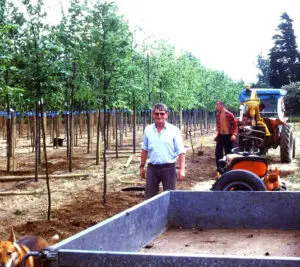
Gwynne Bodsworth, founder and grower at Hedging Plants Direct
Expert nursery advice

Expert nursery advice on choosing bare root hedging

For a long hedge, bare root plants are usually the first option I would consider because you can plant a substantial number without the cost and weight that comes with pots or large root balls. The trade-off is timing and initial impact. Bare root stock is supplied while dormant, so it suits customers who can work within the lifting season and are happy for the hedge to establish and thicken over time. If the priority is immediate screening or planting outside the dormant season, I would look at root ball, pot-grown or instant hedging instead. For most boundary and native planting projects, though, bare root offers very good value.
Ask our nursery team →
Helpful answers

Frequently asked questions

01What Is Bare Root Hedging?

Bare root hedge plants are supplied without a pot or a ball of soil around the root system. They are lifted from the field during the dormant season, when growth has slowed and the plants can be moved with less stress.

Many bare root plants are deciduous and may arrive without leaves. This is normal and does not mean the plant is dead or unhealthy. New leaves and shoots should begin to develop when conditions warm and the growing season starts.

You may also see these plants described as bareroot hedging. Both terms refer to the same root type.

02When Is Bare Root Hedging Available?

Bare root hedging is seasonal and is normally supplied during the dormant period, generally between November and April.

The exact start and end of the lifting season depend on the weather, ground conditions and plant species. Plants cannot be lifted safely when the ground is unsuitable, and the season may finish earlier if spring growth begins sooner than expected.

Bare root hedge plants may be made available to pre order before lifting starts. Pre ordering can be useful when you require a particular species, size or quantity for planting at the beginning of the season.

Check the availability information on each product page for the expected supply period.

03Bare Root, Pot Grown or Root Ball Hedging?

Each root type has advantages, and the right choice will depend on your planting schedule, budget and required level of initial impact.

04How Many Bare Root Hedge Plants Do I Need?

The number of plants required per metre depends on the species, plant height and the density you want to achieve.

Many bare root hedges are planted in a single row. A staggered double row may be used when a wider and denser hedge is required.

Do not apply one general spacing recommendation to every variety. Use the quantity calculator or planting information on the individual product page to determine the correct number of plants for your hedge.
Helpful next steps

Planning and planting help

Browse all Q&A

Buy Bare Root Hedging Direct from the Nursery

Bare root hedging is one of the most economical ways to establish a new hedge, particularly when planting a longer boundary or buying larger quantities.

The plants are grown in open ground and lifted while dormant, with the soil removed from around the roots before they are packed for delivery. This makes bare root hedge plants lighter and easier to handle than many equivalent pot grown or root ball plants.

Our range includes individual hedge species and mixed planting options for gardens, estates, farms, landscaping schemes and commercial projects. Browse the available plants above or contact our nursery team if you need help calculating quantities or choosing a species for your site.

What Is Bare Root Hedging?

Bare root hedge plants are supplied without a pot or a ball of soil around the root system. They are lifted from the field during the dormant season, when growth has slowed and the plants can be moved with less stress.

Many bare root plants are deciduous and may arrive without leaves. This is normal and does not mean the plant is dead or unhealthy. New leaves and shoots should begin to develop when conditions warm and the growing season starts.

You may also see these plants described as bareroot hedging. Both terms refer to the same root type.

Why Choose Bare Root Hedge Plants?

Affordable for Longer Hedge Lines

Bare root hedging is generally less expensive than pot-grown plants of a similar species and size. It is therefore particularly useful when planting a long boundary, field edge, wildlife corridor or larger landscaping scheme.

Selected products may also be available in quantity packs. Check the individual product listings for current sizes, pack quantities, prices and availability.

Lightweight and Easier to Handle

Without pots or heavy soil around the roots, bare root hedge plants are relatively light and compact.

This can make them easier to unload, carry and position, especially when planting a large number of plants along a prepared trench.

A Wide Choice of Hedging Species

Bare root hedge plants are available in a broad range of evergreen, semi-evergreen and deciduous species.

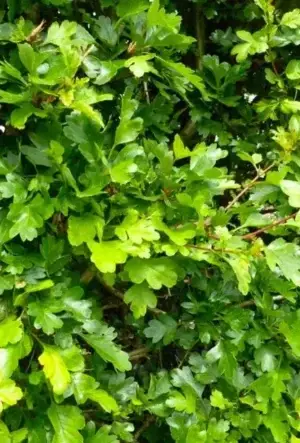
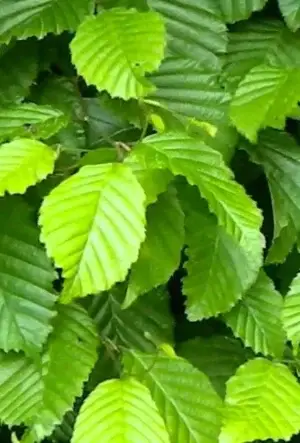
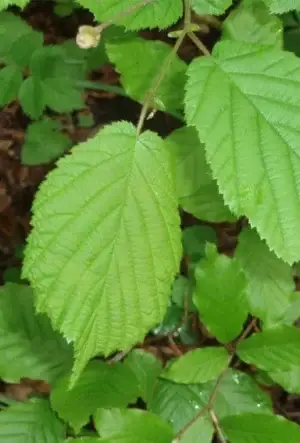
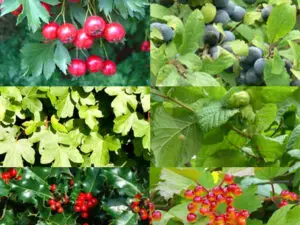
Popular choices may include Hawthorn, Hornbeam, Beech, Privet, Cherry Laurel,  Dogwood, Hazel and Field Maple. Mixed native hedging packs are also available for customers who want a varied boundary with seasonal interest and wildlife value.

Availability varies according to the species, size, weather and time of year. The products displayed above show the current range available to order or pre-order.

For low formal edging and tightly clipped boundaries, our bare root Box hedging is a traditional evergreen option, available seasonally in smaller sizes.

Reduced Use of Pots and Growing Media

Bare root plants do not require an individual plastic pot or container of growing medium when they are supplied.

This reduces the volume and weight involved in packing and transporting larger quantities of plants compared with many potted alternatives.

When Is Bare Root Hedging Available?

Bare root hedging is seasonal and is normally supplied during the dormant period, generally between November and April.

The exact start and end of the lifting season depend on the weather, ground conditions and plant species. Plants cannot be lifted safely when the ground is unsuitable, and the season may finish earlier if spring growth begins sooner than expected.

Bare root hedge plants may be made available to pre order before lifting starts. Pre ordering can be useful when you require a particular species, size or quantity for planting at the beginning of the season.

Check the availability information on each product page for the expected supply period.

Choosing the Right Bare Root Hedge

The right plant will depend on what you want the hedge to achieve, the conditions on your site and the amount of maintenance you are prepared to carry out.

Bare Root Hedging for Garden Boundaries

Beech, Hornbeam and Privet are popular choices for creating traditional garden boundaries.

Consider the eventual height and width of the hedge, whether you need year-round screening and how frequently the plants will need trimming. Some deciduous hedges retain part of their dry foliage during winter when regularly maintained, but they should not be treated as fully evergreen.

Bare Root Hedging for Privacy

Bare root plants can be used to create an effective privacy hedge, but they will not normally provide instant screening when first planted.

Starting with taller plants may provide more initial height, while closer planting can help the hedge fill out. Always follow the recommended spacing for the particular species and size rather than using one spacing for every hedge.

Customers requiring immediate coverage may find pot-grown, root ball or instant hedging more suitable.

Where year-round screening is important, Bare Root Cherry Laurel is also available seasonally as bare root hedging and develops into a vigorous evergreen privacy hedge once established.

Bare Root Hedging for Wildlife

Hawthorn, Blackthorn, Dog Rose, Hazel, Field Maple, Guelder Rose and Dogwood are among the plants commonly used in wildlife-friendly and mixed native hedges.

A mixture of suitable species can provide different flowering periods, berries, shelter and seasonal interest. Choose plants that are appropriate for your soil, position and available space.

Hedging for Trade and Commercial Projects

Bare root hedge plants are well suited to larger landscaping and commercial projects because substantial quantities can be purchased and handled relatively efficiently.

We supply homeowners, landscapers, trade customers and commercial contractors. For a larger order, contact our nursery team with the hedge length, preferred plant height, planting location and required delivery period.

Bare Root, Pot Grown or Root Ball Hedging?

Each root type has advantages, and the right choice will depend on your planting schedule, budget and required level of initial impact.

Bare Root Hedging

Bare root hedging is seasonal, lightweight and usually the most affordable option for larger quantities. Plants should be planted promptly and their exposed roots must not be allowed to dry out.

Pot Grown Hedging

Pot-grown hedge plants can normally be planted throughout the year, provided the ground and weather conditions are suitable and adequate watering is available.

They offer greater flexibility over planting dates but are usually more expensive than smaller bare root plants.

Root Ball Hedging

Root ball plants are field-grown and lifted with soil retained around their roots. They are seasonal and are often available in larger, more established sizes.

They can provide more immediate height and presence but are heavier to handle and may require pallet delivery.

How to Plant Bare Root Hedging

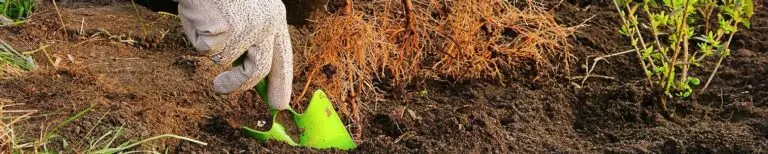
Prepare the planting area before your plants arrive. Remove weeds and grass, then dig a trench wide enough for the roots to spread naturally without being bent or forced into the ground.

When the plants arrive, unpack them promptly and protect the exposed roots from drying winds, direct sunlight and frost. If the roots appear dry, soak them in water for a short period before planting.

Use Rootgrow When Planting

For additional support during establishment, apply Rootgrow mycorrhizal fungi when planting your bare root hedge. Rootgrow contains beneficial fungi that work with the plant’s root system, helping it access moisture and nutrients from the surrounding soil.

Prepare and apply Rootgrow according to the instructions supplied with the product. Make sure it comes into direct contact with the roots, as the fungi need root contact to form their beneficial association with the plant.

Rootgrow is applied once at the time of planting and can be used alongside good soil preparation, correct planting and regular watering.

Position and Plant Your Hedge

Position each plant at approximately the same depth at which it was previously growing. A change in colour on the lower stem can help indicate the original soil level.

Spread the roots carefully within the trench, backfill with hedge compost and firm gently around each plant. Avoid compacting the soil too heavily, as this can restrict drainage and root growth.

Water thoroughly after planting to settle the soil around the roots and remove large air pockets.

Feed Your Hedge After Planting

Once planted, your new hedge will benefit from appropriate feeding as part of its ongoing care. Our granular Hedge Feed is a balanced 7-7-7 fertiliser designed for use around hedging plants.

Apply Hedge Feed to the surface of the soil around the plants, following the application rate shown on the packaging. Keep the granules away from direct contact with the stems and water the area thoroughly after feeding.

Bare root hedging is normally planted while dormant, so feeding is most useful as the plants begin active growth. Avoid applying more than the recommended amount, as additional fertiliser will not compensate for poor watering, unsuitable soil or incorrect planting.

Watering and Aftercare

Continue watering during dry periods, particularly throughout the first growing season. Newly planted hedging depends on regular watering while its roots establish in the surrounding soil.

Keep the planting area free from grass and weeds, as these compete with the young hedge for moisture and nutrients. Applying a layer of mulch can help retain moisture and suppress weeds, but leave a small gap around each stem.

For detailed advice, visit our full hedge planting guide and browse our range of Rootgrow, Hedge Feed and other hedge planting essentials.

How Many Bare Root Hedge Plants Do I Need?

The number of plants required per metre depends on the species, plant height and the density you want to achieve.

Many bare root hedges are planted in a single row. A staggered double row may be used when a wider and denser hedge is required.

Do not apply one general spacing recommendation to every variety. Use the quantity calculator or planting information on the individual product page to determine the correct number of plants for your hedge.